


Quels cénotes faire dans la Riviera Maya ? Notre sélection 2026
Quels cénotes faire dans la Riviera Maya ? Notre sélection 2026
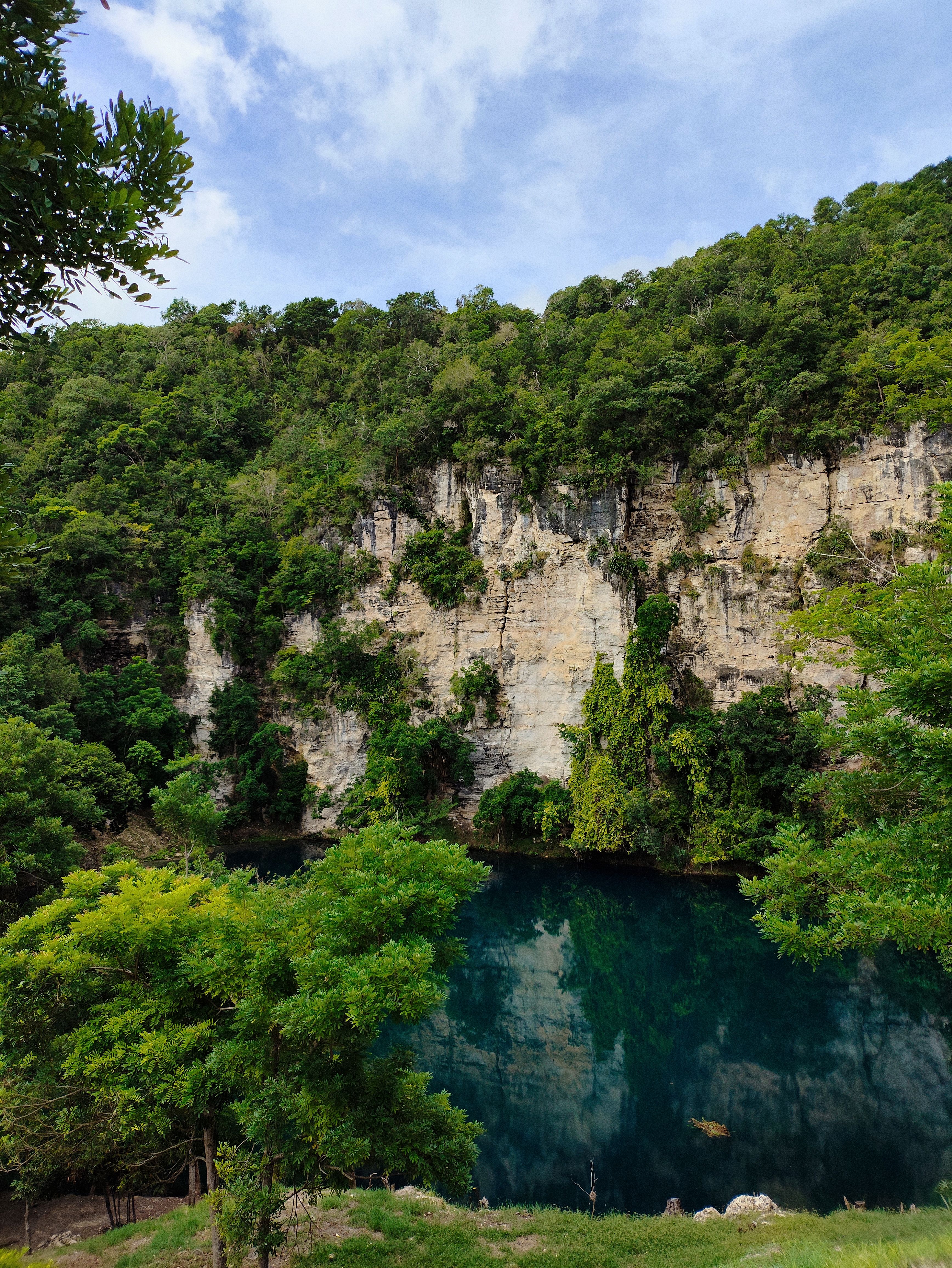
En clair : le bon cénote n’est pas le plus célèbre. C’est celui qui colle à ton envie du jour, nager tranquille, faire du snorkeling, plonger ou photographier. On t’aide à trancher en dix minutes.
La question revient chaque semaine dans nos échanges avec les voyageurs. Quels cénotes faire dans la Riviera Maya quand on n’a que quelques jours sur place ?
La péninsule du Yucatán en compte plus de 7 000 recensés. Une bonne partie se concentre entre Cancún et Tulum, sur un ruban de 130 kilomètres.
On vit ici, à Playa del Carmen, et on accompagne des francophones sur ces sites toute l’année. Voici notre sélection, les tarifs de l’été 2026 et ce qu’on aurait aimé savoir avant notre première baignade. C’est parti.
Notre sélection de cénotes dans la Riviera Maya en un coup d’œil
Voici les quatorze cénotes qu’on recommande le plus souvent, classés par zone de départ. Les tarifs sont ceux relevés cet été, en pesos mexicains.
| Cénote | Type | Base la plus proche | Idéal pour | Tarif indicatif |
|---|---|---|---|---|
| Gran Cenote | Semi-ouvert | Tulum, 10 min | Première fois, tortues, snorkeling | ≈ 500 pesos |
| Cenote Calavera | Ouvert, trois puits | Tulum, 8 min | Sauts, photos, ambiance | ≈ 300 pesos |
| Casa Cenote | Ouvert, mangrove | Tulum, 15 min | Snorkeling, kayak, calme | ≈ 250 pesos |
| Dos Ojos | Caverne | Tulum, 20 min | Snorkeling en galerie, plongée | ≈ 500 pesos |
| Casa Tortuga | Quatre cénotes mixtes | Tulum, 15 min | Familles, tout-en-un, tyrolienne | ≈ 400 à 600 pesos |
| Cenote Azul | Ouvert, bassins | Playa del Carmen, 20 min | Enfants, baignade, petit budget | ≈ 250 pesos |
| Cenote Cristalino | Semi-ouvert | Playa del Carmen, 20 min | Baignade, plongeoir, tranquillité | ≈ 250 pesos |
| Jardín del Edén | Ouvert, grand bassin | Playa del Carmen, 20 min | Nage sportive, baptême de plongée | ≈ 250 pesos |
| Chikin Ha | Trois cénotes mixtes | Playa del Carmen, 25 min | Cérémonie maya, snorkeling | ≈ 400 pesos |
| Kantun Chi | Écoparc, quatre cénotes | Puerto Aventuras, 30 min | Éviter la foule, canoë | ≈ 500 pesos |
| Chac Mool | Caverne | Playa del Carmen, 30 min | Plongée, halocline, stalactites | ≈ 300 pesos |
| Verde Lucero | Ouvert | Puerto Morelos, 25 min | Tyrolienne, budget serré | ≈ 200 pesos |
| Siete Bocas | Fermé, sept ouvertures | Puerto Morelos, 30 min | Ambiance grotte, photos | ≈ 300 pesos |
| El Zapote | Fermé, cloches calcaires | Puerto Morelos, 30 min | Sauts, plongée technique | ≈ 350 pesos |
Tarifs relevés en août 2026. Ils bougent chaque saison, parfois deux fois par an. Prévois toujours du liquide en pesos, la carte bancaire ne passe que sur une minorité de sites.
Les cénotes à faire autour de Tulum
C’est la zone la plus dense de la Riviera Maya. Tout se joue dans un rayon de vingt minutes autour de la ville.

Gran Cenote, la valeur sûre
C’est le cénote le plus visité de la région, et pour de bonnes raisons. Deux bassins reliés par une galerie immergée, des stalactites, une eau d’une transparence rare.
Les tortues d’eau douce y circulent au petit matin, à quelques mètres des baigneurs. Le masque et le tuba suffisent largement pour en profiter.
Le revers de la médaille, c’est l’affluence. Arrive à l’ouverture, vers 8 h, ou renonce à la sérénité.
Cenote Calavera, le plus photogénique
Son nom vient de ses trois ouvertures qui dessinent un crâne vu du ciel. On y descend par une échelle, ou on saute directement dans le grand puits.
L’endroit est petit et l’ambiance très différente des grands sites. Il se combine facilement avec Gran Cenote, situé à cinq minutes de route.
Casa Cenote, le seul de son genre
Ici, la rivière souterraine rejoint la mer à travers la mangrove. Le résultat est un long canal d’eau douce bordé de palétuviers, à ciel ouvert.
On le parcourt en snorkeling ou en kayak, sur près de trois cents mètres. Un petit crocodile y vit et fait la réputation du lieu, sans danger réel pour les baigneurs qui gardent leurs distances.
Dos Ojos, l’expérience caverne
Deux bassins reliés par un passage sous-marin, dans le système Sac Actun. C’est le cénote qui laisse le plus de souvenirs aux voyageurs qu’on accompagne.
Le parcours snorkeling se fait obligatoirement avec un guide, lampe frontale sur la tête. La lumière qui traverse l’eau depuis les ouvertures crée des halos bleus impressionnants.
Pour le coup, c’est le site qu’on recommande en priorité à ceux qui n’ont le temps que pour un seul cénote caverne.
Casa Tortuga, quatre cénotes en une seule visite
Deux cénotes cavernes et deux cénotes ouverts, sur un même parc à quinze minutes de Tulum. Le rapport découverte-prix reste un des meilleurs de la région.
La visite guidée des deux cavernes est encadrée. Ensuite, tu profites librement des bassins ouverts, avec kayak et tyrolienne en option.
Notre excursion cénotes. On propose Casa Tortuga en tour collectif francophone avec transport depuis ton hôtel, guide certifié, gilet et matériel de snorkeling inclus. La formule privée existe aussi, avec départ à l’heure de ton choix.
Toutes nos formules sont détaillées sur la page excursions au Mexique. Tu peux aussi combiner cénote et site archéologique avec notre excursion Tulum.
Les cénotes à faire autour de Playa del Carmen
Moins spectaculaires que ceux de Tulum sur le papier, ils sont souvent plus calmes et moins chers. Trois d’entre eux se suivent sur deux kilomètres de la route 307.

Cenote Azul, le préféré des familles
Une succession de bassins peu profonds où les enfants ont pied. L’eau y est claire et de petits poissons viennent grignoter les pieds des baigneurs immobiles.
Un bassin plus profond avec plongeoir naturel occupe les ados. C’est le meilleur compromis famille de toute la Riviera Maya, à notre avis.
Cenote Cristalino, le voisin plus calme
À trois cents mètres du précédent, il attire nettement moins de monde. Une partie semi-ouverte laisse entrevoir une petite voûte et ses stalactites.
Un rocher sert de plongeoir aux plus téméraires. Le site est simple, sans fioriture, et parfait pour une fin de journée.
Jardín del Edén, pour nager vraiment
Le plus vaste bassin ouvert du secteur. Les centres de plongée y organisent beaucoup de baptêmes, car la profondeur permet de descendre en douceur.
Il porte aussi le nom de Ponderosa. Les deux appellations désignent le même endroit, ce qui déroute parfois au moment de commander un taxi.
Chikin Ha, l’approche culturelle
Trois cénotes différents dans un parc géré avec une famille maya. Une cérémonie de purification au copal précède parfois la baignade, sans mise en scène touristique lourde.
Le cénote fermé se visite en snorkeling guidé. C’est un bon choix pour ceux qui veulent comprendre la place de ces lieux dans la culture maya.
Kantun Chi, l’écoparc discret
Quatre cénotes et une grotte, à l’écart des grands flux touristiques. On s’y retrouve régulièrement seul dans un bassin, ce qui est devenu rare sur la côte.
Des canoës permettent d’explorer les plans d’eau autrement. Le détail de cette sortie est sur notre page cénote Kantun Chi.
Chac Mool, le terrain des plongeurs
Deux cavités, une grande et lumineuse, une plus petite hérissée de stalactites. On y observe la halocline, cette frontière trouble entre eau douce et eau salée.
Le site reste accessible en snorkeling, mais il donne le meilleur de lui-même en bouteille. Réserve avec un centre certifié et un guide cénote qualifié.
Les cénotes à faire autour de Cancún et Puerto Morelos
La Ruta de los Cenotes part de Puerto Morelos et s’enfonce sur une quarantaine de kilomètres dans la jungle. C’est la zone la plus abordable et la moins fréquentée de la Riviera Maya.

Verde Lucero, le plus accessible
Un grand bassin ouvert d’un vert profond, avec tyrolienne au-dessus de l’eau. Les tarifs y sont deux fois moins élevés que du côté de Tulum.
Le site reste rustique, avec peu d’aménagements. C’est justement ce qui plaît à ceux qui cherchent l’ambiance jungle.
Siete Bocas, l’ambiance souterraine
Sept ouvertures percent le plafond d’une même grotte inondée. On saute par l’une d’elles, on nage dans la pénombre, on ressort par une échelle.
L’atmosphère y est franchement différente des cénotes ouverts. Prévois une lampe étanche pour profiter des recoins.
Boca del Puma, pour la journée complète
Un parc familial avec cénote, tyroliennes, VTT et parcours dans la jungle. Le cénote seul ne justifie pas le déplacement, l’ensemble oui.
El Zapote et ses cloches calcaires
Les fameuses campanas, ces formations en forme de cloches suspendues à trente mètres de profondeur, ne sont visibles qu’en plongée technique. En surface, le site propose un beau saut et une baignade dans une eau sombre.
La Ruta de los Cenotes en autonomie. Cette route se parcourt idéalement en voiture, les sites étant espacés de plusieurs kilomètres sans transport public régulier.
On gère la location de voiture dans la Riviera Maya avec des partenaires qui ne pratiquent pas la surprise au comptoir. Transferts aéroport privés et roadtrips clés en main font aussi partie de nos services.
Quel cénote choisir selon ton profil

- En famille avec de jeunes enfants : Cenote Azul et Cristalino, pour leurs bassins peu profonds et leurs accès en pente douce. Casa Tortuga si tu veux occuper toute la journée.
- Pour du snorkeling : Gran Cenote, Dos Ojos et Casa Cenote. Trois ambiances totalement différentes avec le même masque.
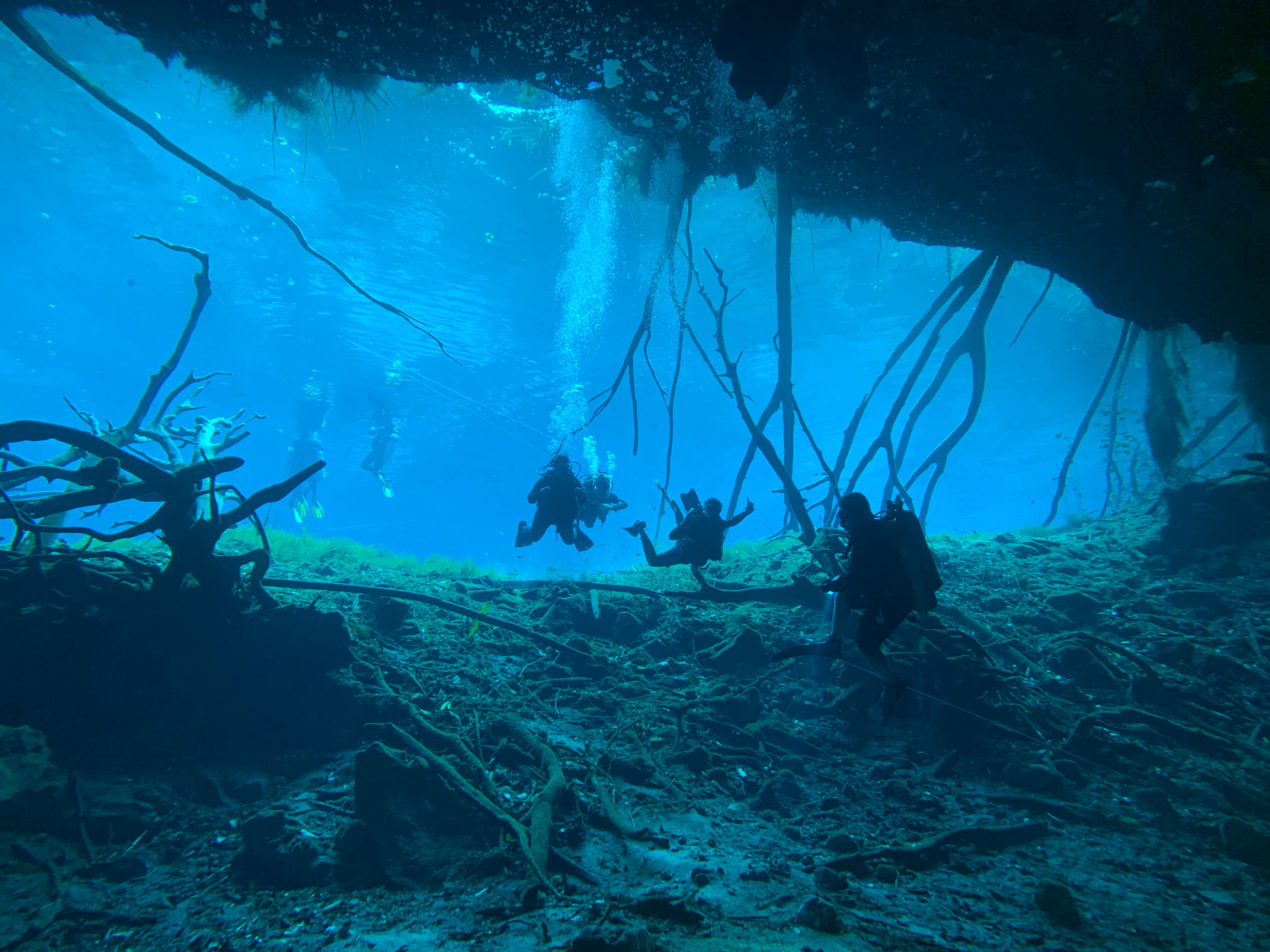
- Pour plonger en bouteille : Chac Mool, Dos Ojos et El Zapote. Une certification Open Water suffit pour les plongées en caverne encadrées.
- Pour les photos : Calavera au lever du jour, Siete Bocas pour la pénombre, et les cénotes fermés entre 11 h et 13 h quand la lumière tombe à la verticale.
- Pour éviter la foule : Kantun Chi, Chikin Ha et toute la Ruta de los Cenotes. Le trajet est plus long, l’expérience beaucoup plus calme.
- Avec un petit budget : Verde Lucero, Cenote Azul et Cristalino, tous sous les 250 pesos. Compte le colectivo à une trentaine de pesos depuis Playa del Carmen.
- Sans savoir nager : presque tous. Le gilet est obligatoire et fourni sur la majorité des sites, mais privilégie les cénotes ouverts.
Si les cénotes ne sont qu’une partie de ton programme, notre article sur les 16 visites incontournables de la Riviera Maya te donnera le reste des repères.
Combien coûte la visite d’un cénote en 2026
Les tarifs ont beaucoup augmenté depuis 2020, sur les sites les plus connus surtout. Voici les ordres de grandeur à prévoir par personne et par jour.
| Poste | Petit budget | Confort | Sans contrainte |
|---|---|---|---|
| Entrée du cénote | 150 à 250 pesos | 250 à 400 pesos | 400 à 600 pesos |
| Transport | Colectivo, 30 à 80 pesos | Voiture de location | Transfert ou tour privé |
| Matériel snorkeling | Le tien, 0 peso | Location, 100 à 150 pesos | Inclus dans l’excursion |
| Casier et douche | Souvent en supplément | 50 à 100 pesos | Inclus |
| Guide | Aucun | Guide du site | Guide francophone certifié |
| Total pour la journée | ≈ 300 pesos | ≈ 700 pesos | À partir de 1 200 pesos |
Le pourboire n’est pas inclus. Guides, chauffeurs et personnel des sites vivent en grande partie de la propina. On explique les usages dans notre article sur les pourboires au Mexique.
Comment se rendre dans un cénote de la Riviera Maya

En colectivo
Ces minibus blancs longent la route 307 entre Playa del Carmen et Tulum toute la journée. Tu descends au bord de la route, souvent à cinq ou dix minutes de marche du cénote.
Compte 30 à 80 pesos le trajet selon la distance. C’est l’option la plus économique, et de loin la plus utilisée par les locaux.
En voiture de location
La formule reine si tu veux enchaîner deux ou trois sites dans la journée. Les parkings sont gratuits ou coûtent une poignée de pesos.
Attention aux assurances imposées au comptoir, c’est le principal piège de la région. On détaille tout dans notre guide sur la location de voiture au Mexique, et notre article comment se déplacer au Mexique compare tous les modes de transport.
En excursion collective ou privée
Transport aller-retour depuis ton hôtel, guide, entrée et matériel compris. C’est le choix de ceux qui préfèrent zéro logistique, surtout pour les cénotes cavernes qui exigent un accompagnement.
La version privée permet de partir à l’heure que tu veux. Arriver à l’ouverture change complètement l’expérience sur les sites très fréquentés.
Ce qu’on peut organiser pour toi. Transferts privés depuis l’aéroport de Cancún, location de voiture, excursions collectives ou privées au départ de ton hôtel, sorties sur place pendant un roadtrip, location de bateau à Isla Mujeres ou Cozumel, chef à domicile pour un dîner en villa.
On coordonne l’ensemble sur mesure. C’est le principe du travel coach, et notre itinéraire d’une semaine dans la Riviera Maya montre à quoi ça ressemble concrètement.
Les trois types de cénotes et ce qui les distingue

| Type | À quoi ça ressemble | Pour qui |
|---|---|---|
| Ouvert | Bassin à ciel ouvert, le plafond s’est effondré il y a très longtemps. Végétation sur les bords, lumière directe. | Familles, baignade détente, nage sportive |
| Semi-ouvert | Une partie sous voûte, une partie exposée. Les rayons entrent en biais et éclairent l’eau par en dessous. | Snorkeling, photos, premières fois |
| Fermé | Grotte inondée avec une simple ouverture. Stalactites, pénombre, température de l’eau plus fraîche. | Plongée, snorkeling guidé, ambiance |
Notre conseil tient en une phrase. Choisis deux cénotes de types différents plutôt que deux du même type, tu auras l’impression d’avoir vu deux mondes.
C’est quoi un cénote, au juste
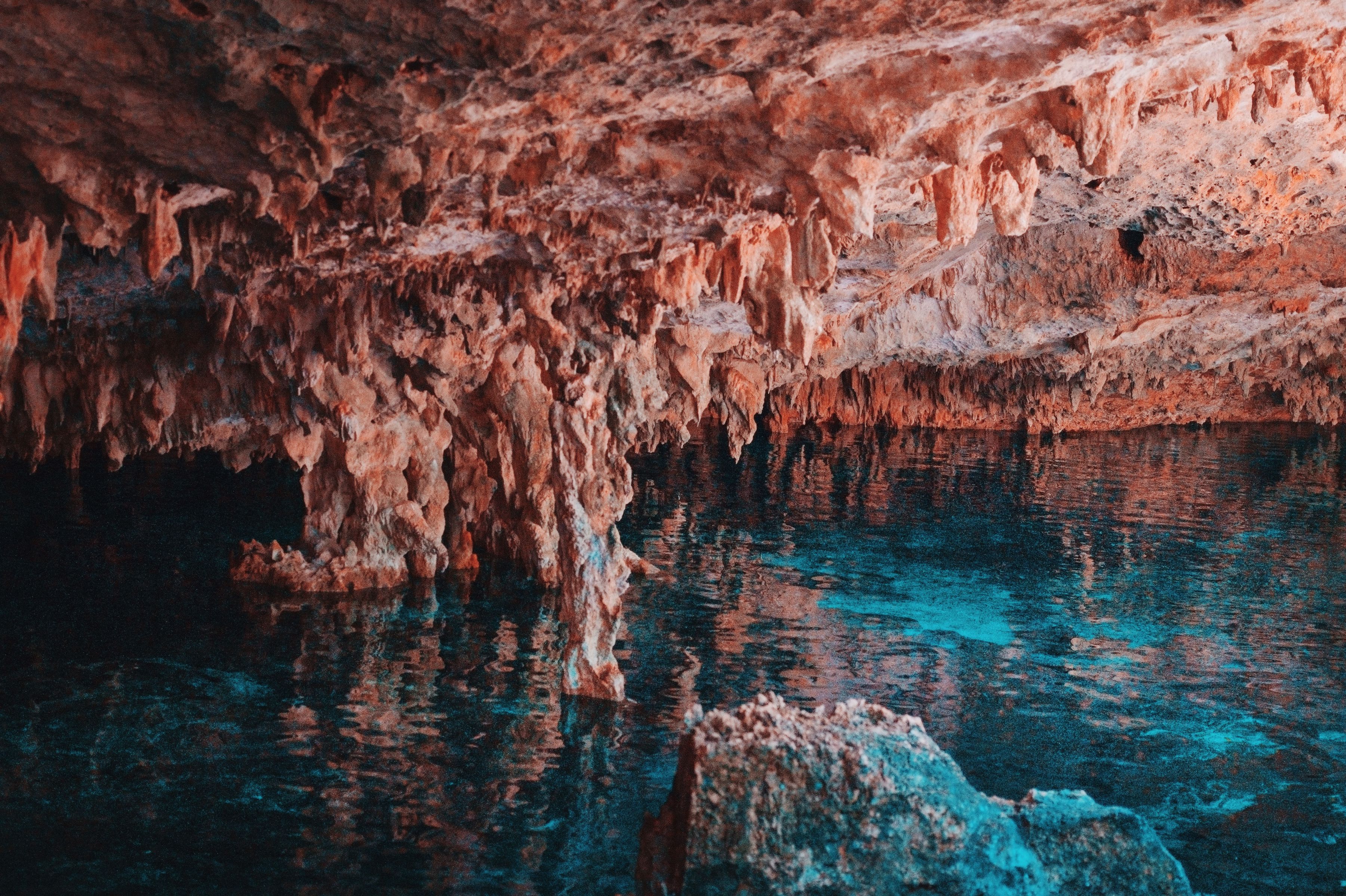
Le mot vient du maya yucatèque dzonot, qui désigne un puits naturel. Un cénote, c’est une cavité calcaire effondrée qui laisse apparaître la nappe d’eau douce souterraine.
L’histoire commence il y a environ 66 millions d’années. Un astéroïde percute la péninsule au large de l’actuel Chicxulub et fracture profondément le plateau calcaire.
L’eau de pluie s’infiltre ensuite pendant des millénaires et dissout la roche. Des galeries se forment, certains plafonds cèdent, et le cénote apparaît.
Le résultat est un réseau souterrain vertigineux. Le système Sac Actun, dans la Riviera Maya, dépasse les 370 kilomètres de galeries cartographiées et compte parmi les plus longs du monde.
Un lieu sacré pour les Mayas
Dans un territoire sans rivière de surface, les cénotes étaient d’abord la seule source d’eau douce. Les villages se sont construits autour d’eux.
Ils tenaient aussi une place spirituelle centrale, comme porte vers le Xibalbá, le monde souterrain. Des offrandes y étaient déposées, notamment dans le cénote sacré de Chichén Itzá.
Aujourd’hui encore, beaucoup de familles mayas demandent la permission aux aluxes, les gardiens de la jungle, avant d’entrer dans un cénote. Ce n’est pas du folklore pour touristes.
Nos conseils de terrain avant de partir
- Arrive à l’ouverture. Entre 8 h et 10 h, tu as les bassins presque pour toi. Les groupes débarquent vers 11 h.
- Crème solaire biodégradable uniquement, appliquée une heure avant d’arriver. Les crèmes classiques sont interdites et une douche précède la baignade. On détaille les règles dans notre article sur la crème solaire au Mexique.
- Du liquide en pesos. Beaucoup de sites refusent la carte, y compris les plus connus.
- Des chaussures d’eau. Les accès sont souvent en roche coupante ou en bois glissant.
- L’eau est fraîche, entre 24 et 25 degrés toute l’année. La sensation surprend après la mer des Caraïbes.
- Une serviette à séchage rapide et un sac étanche. La jungle reste humide même en saison sèche.
- Le drone est interdit sur la quasi-totalité des sites. Notre guide du drone au Mexique fait le point sur la réglementation.
- Pas de bijou ni de maquillage. Tout ce qui se dissout dans l’eau finit dans la nappe phréatique de la péninsule.
Pour le reste de la valise, notre article sur quoi prendre dans sa valise pour le Mexique couvre le sujet. Et si tu hésites encore sur les dates, va voir la meilleure saison pour partir au Mexique.
Les erreurs qu’on voit tous les jours
- Enchaîner quatre cénotes dans la journée. Deux suffisent, trois si tu es en voiture. Au-delà, tu regardes ta montre au lieu de l’eau.
- Choisir deux cénotes du même type. Deux bassins ouverts se ressemblent vite. Alterne ouvert et caverne.
- Venir en milieu de journée. C’est le pic de fréquentation partout, sans exception.
- Oublier le liquide. Le distributeur le plus proche est parfois à vingt kilomètres.
- Mettre de la crème solaire classique. On te refusera l’accès à l’eau, et c’est légitime.
- Réserver une excursion sans vérifier ce qui est inclus. Entrée, casier, matériel et repas varient énormément d’un prestataire à l’autre.
- Négliger la baignade en mangrove. Casa Cenote passe souvent à la trappe alors qu’il n’a aucun équivalent.
Questions fréquentes sur les cénotes de la Riviera Maya

Quels cénotes faire dans la Riviera Maya en priorité ?
Si tu n’as le temps que pour deux, prends un cénote ouvert et un cénote caverne pour voir les deux visages du phénomène. Gran Cenote près de Tulum et Dos Ojos couvrent parfaitement ce duo. Avec une demi-journée de plus, Casa Tortuga permet d’enchaîner quatre cénotes de types différents au même endroit.
Combien coûte l’entrée d’un cénote dans la Riviera Maya en 2026 ?
Compte entre 150 et 500 pesos par adulte selon le site, soit environ 8 à 26 euros. Les cénotes très fréquentés comme Gran Cenote et Dos Ojos se situent en haut de la fourchette. Ceux de la Ruta de los Cenotes près de Puerto Morelos restent nettement plus abordables. Prévois du liquide, la carte bancaire passe rarement.
Quel est le plus beau cénote de la Riviera Maya ?
Il n’y a pas de réponse unique, tout dépend de ce que tu cherches. Dos Ojos impressionne par ses galeries et ses jeux de lumière. Cenote Azul séduit les familles avec ses bassins peu profonds. Casa Cenote offre une mangrove unique en son genre. Le plus beau est celui qui correspond à ton envie du jour.
Peut-on visiter un cénote sans voiture ?
Oui. Les colectivos qui longent la route 307 desservent la plupart des cénotes entre Playa del Carmen et Tulum pour quelques dizaines de pesos. L’alternative confortable reste l’excursion collective ou privée avec transport depuis ton hôtel, surtout si tu veux enchaîner plusieurs sites dans la journée.
Quelle est la meilleure heure pour visiter un cénote ?
L’ouverture, entre 8 h et 10 h. Les groupes arrivent vers 11 h et les sites se remplissent jusqu’en milieu d’après-midi. Pour les cénotes fermés avec rayon de lumière, vise plutôt le créneau 11 h – 13 h, quand le soleil tombe à la verticale.
Faut-il savoir nager pour visiter un cénote ?
Non. Le gilet de sauvetage est obligatoire sur la quasi-totalité des sites et il est fourni ou loué sur place. Certains cénotes ouverts ont des zones peu profondes accessibles aux enfants. En revanche, les cénotes cavernes ont souvent un fond qui plonge très vite.
Peut-on mettre de la crème solaire avant d’entrer dans un cénote ?
Non, sauf si elle est biodégradable, et il faut alors l’appliquer une heure avant d’arriver. Les crèmes classiques sont interdites car elles polluent une eau douce qui alimente toute la péninsule. Une douche obligatoire précède la baignade sur la plupart des sites.
Peut-on plonger en bouteille dans les cénotes de la Riviera Maya ?
Oui, à partir du niveau Open Water pour les plongées en caverne accompagnées, sur des sites comme Dos Ojos ou Chac Mool. Les plongées en grotte, plus profondes, exigent une certification spécifique. Passe toujours par un centre certifié et un guide cénote qualifié.
Y a-t-il des cénotes adaptés aux enfants ?
Oui. Cenote Azul et Cristalino près de Playa del Carmen ont des bassins peu profonds et des accès en pente douce. Casa Tortuga fonctionne bien aussi grâce à ses deux cénotes ouverts et à ses activités annexes. Évite les cénotes cavernes avec de jeunes enfants.
Combien de cénotes peut-on faire en une journée ?
Deux, trois maximum si tu es en voiture et bien organisé. Compte une heure et demie à deux heures sur chaque site, plus le temps de séchage et de trajet. Au-delà, la journée devient une course et le plaisir s’évapore.
Organise tes cénotes avec une équipe sur place
Excursion collective ou privée depuis ton hôtel, location de voiture, transfert aéroport, sortie bateau, chef à domicile. On coordonne l’ensemble et on cale les horaires pour que tu arrives avant les groupes.
Crédits photos : images libres de droit issues de Pexels, utilisées selon la licence Pexels. Auteurs cités sous chaque visuel.