


How to Get Around Mexico in 2026: Buses, the Maya Train, Car Rental and Transfers
How to Get Around Mexico in 2026: Buses, the Maya Train, Car Rental and Transfers
Short version: getting around Mexico is never hard. What costs you is picking the wrong transport for the trip you are taking. Long-distance buses, the Maya Train, domestic flights, rental cars, private transfers — each one has its sweet spot, and we will give you ours.
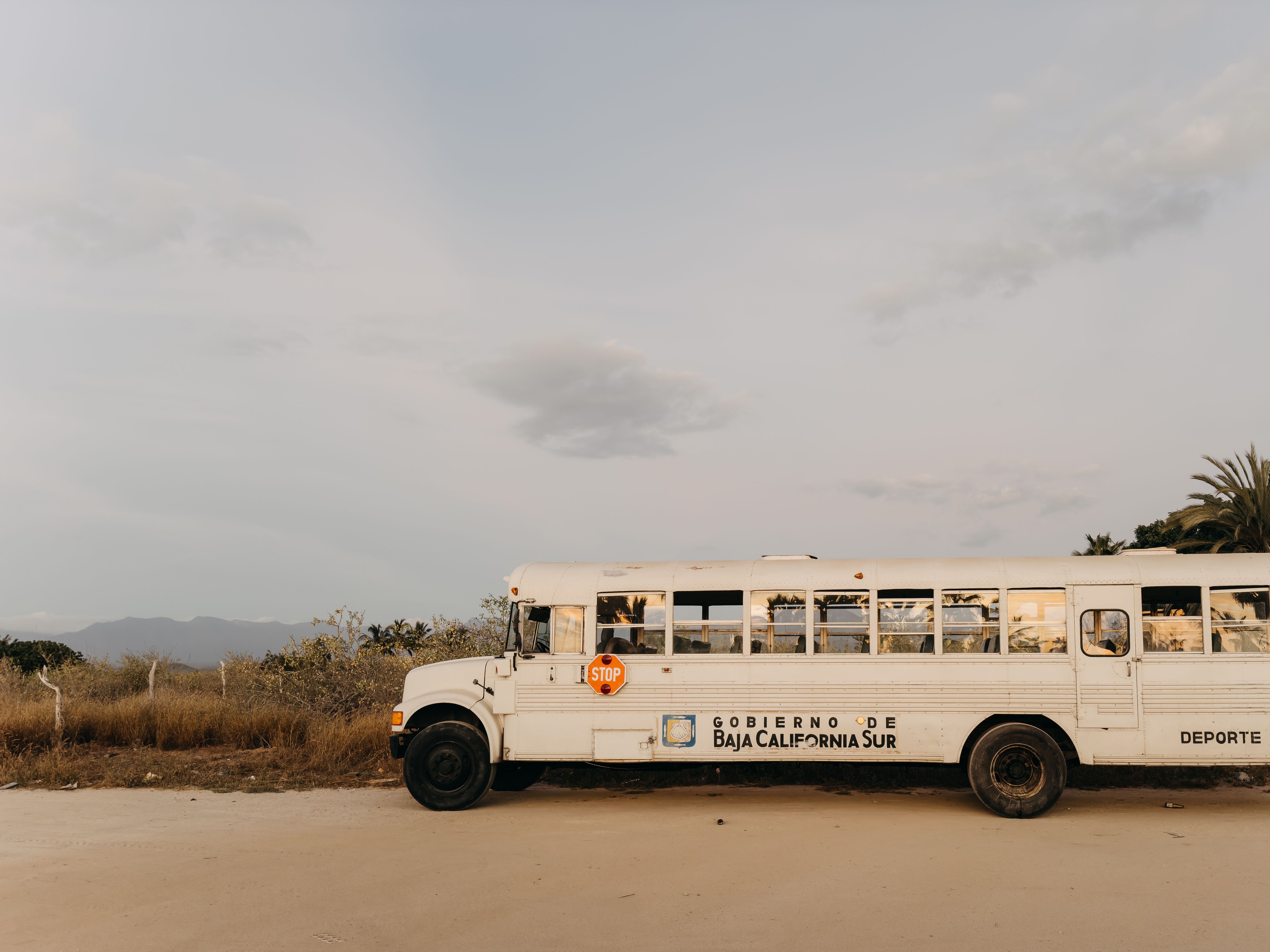
Mexico is roughly three times the size of Texas. That single fact should shape your entire itinerary, because it changes everything else.
Two cities that look like neighbors on a map can sit eight hours apart by bus. Meanwhile, some trips you assume will eat a full day are settled with a $50 domestic flight.
We live here, in Playa del Carmen, and we arrange travel for visitors across the country every single week. Here is what we wish someone had told us before our first road trip. Let’s go.
Which transport should you pick in Mexico?
Before the details, here is the big picture. It settles about 80% of the hesitation in thirty seconds.
| Transport | Best for | Ballpark cost | Our take |
|---|---|---|---|
| Long-distance bus | City-to-city hops, tight budgets, slow travel | 300 to 1,200 pesos depending on distance | Best comfort-to-price ratio in the country |
| Maya Train | The Yucatán Peninsula, Cancún–Mérida–Palenque | Different rates for residents and visitors | Comfortable, but check the live schedule |
| Domestic flight | Long crossings, short trips | $45 to $160 one way | Unbeatable over long distances |
| Rental car | Road trips, families, remote sites | Rental + insurance + gas + tolls | Real freedom, if your insurance is right |
| Colectivo | Short hops within one region | 20 to 80 pesos | Cheap and local, with no fixed schedule |
| Taxi, Uber, DiDi | Moving around cities | Varies by city | Apps remove the haggling |
| Private transfer | Airports, families, luggage, comfort | Flat rate known upfront | The calm choice on arrival day |
Our simple rule: under 5 hours of road time, take the bus or drive. Over 8 hours, fly. In between, it comes down to what you want to see out the window.
Long-distance buses: ADO, ETN, OCC and Primera Plus
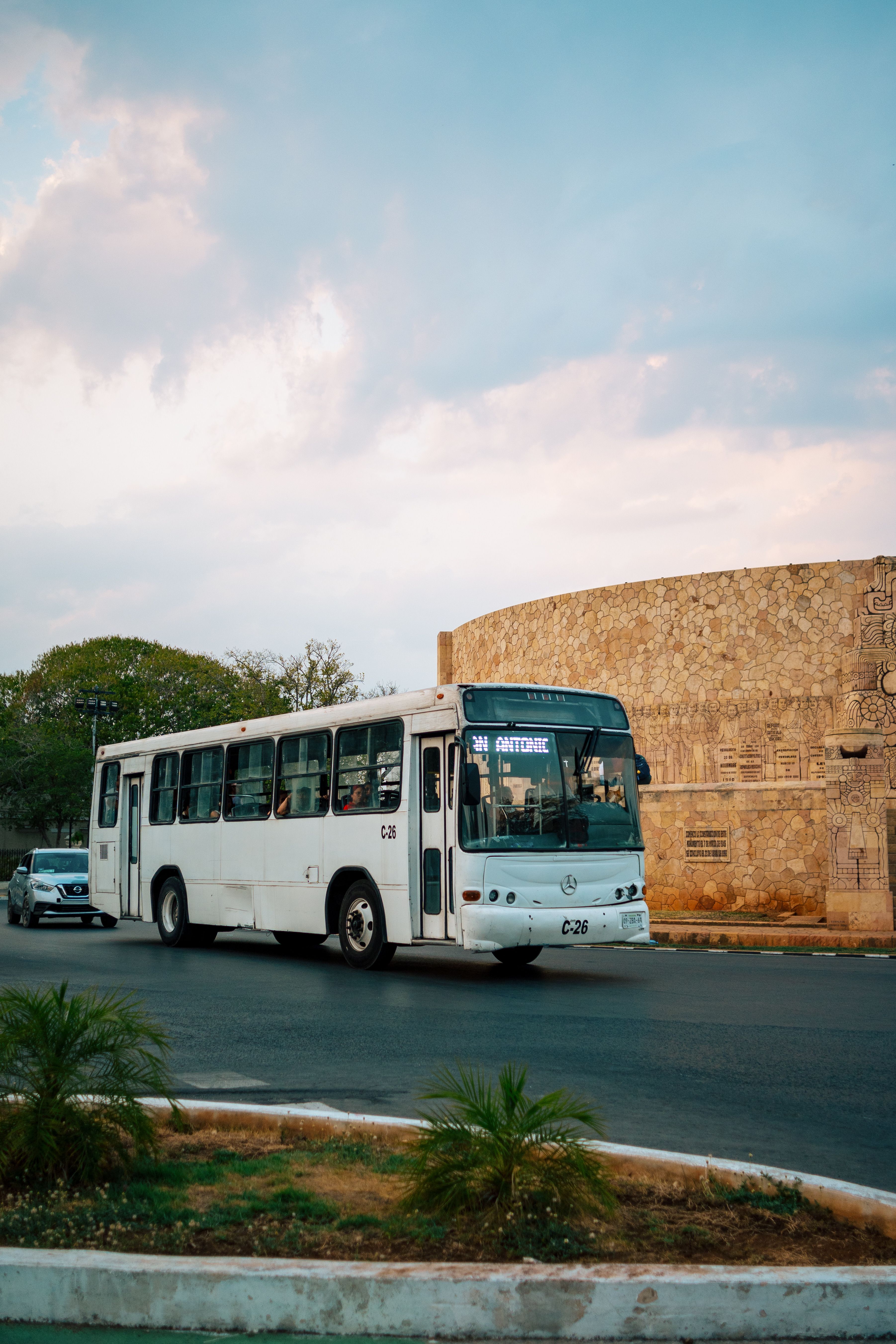
Buses are the backbone of transport in Mexico. The highway network is solid, the companies are professional, and almost every town has a proper bus terminal.
Honestly, the comfort level surprises most first-time visitors. Reclining seats, air conditioning, restrooms, USB outlets and sometimes a drink service.
The companies worth knowing
- ADO — the reference across the southeast and the Yucatán Peninsula. Dense network, frequent departures day and night.
- ADO GL and ADO Platino — the premium tiers. Fewer seats, more legroom, ideal for overnight runs.
- OCC — an ADO subsidiary focused on Oaxaca, Chiapas and routes toward Guatemala.
- ETN Turistar — the high end of central Mexico. Deeply reclining seats, excellent on long night trips.
- Primera Plus — strong in the west and the Bajío, around Guanajuato, León and Guadalajara.
Booking tickets from the United States
Two habits cover it. The official company website works from abroad, though foreign credit cards are occasionally declined.
Resale platforms like Busbud or ClickBus are the fallback. Once you are in Mexico, buying at the counter still works up to the last minute, except in high season and around Mexican public holidays.
On the ground: the ADO app is not always downloadable from a US app store. Grab it once you are on Mexican wifi, or use the mobile site instead.
First class or second class?
First class runs direct or with very few stops. Second class serves the villages and stretches the journey considerably.
For anything over three hours, take first class without hesitating. The price gap is small and the comfort gap is real.
The Maya Train: what changed in the Yucatán
Launched in late 2023 and expanded since, the Tren Maya links the peninsula’s main draws. Cancún, Playa del Carmen, Tulum, Valladolid, Chichén Itzá, Mérida, Campeche and on to Palenque.
The rolling stock is new, air conditioned and comfortable. For a visitor, it is a credible alternative to the bus on the Cancún–Mérida and Mérida–Campeche corridors.
What to check before booking
- Where the stations actually are. Several sit 10 to 12 miles outside town. The train ride is comfortable; plan the last mile.
- Today’s schedule. Frequency keeps shifting by segment. Check the official site a few days out, not three months out.
- Two-tier pricing. Mexican residents pay less than international visitors, and ID is requested at purchase.
- Arrival time at the station. Allow a full hour, as you would for a domestic flight.
Our honest position: the Maya Train shines on the peninsula’s long corridors. On Cancún–Tulum or Playa–Valladolid, buses and cars are still often faster door to door, because the stations sit far from the centers.
If the Yucatán is the heart of your trip, take a look at our guide on visiting Chichén Itzá, which now has its own station.
Domestic flights: saving a full day
Three carriers share the Mexican sky. Aeroméxico on the full-service side, Volaris and VivaAerobus on the low-cost side.
Competition keeps fares down. A Cancún–Mexico City ticket booked a few weeks ahead often lands under $70, for a 2.5-hour hop instead of 20 hours on a bus.
The fare traps to know
- The TUA, the airport tax, sits on top of the headline fare. It can be a serious share of a low-cost ticket.
- Bags are priced separately on Volaris and VivaAerobus. Even carry-on gets charged above a certain size.
- Connections need room. Allow two hours minimum, especially in Mexico City where two terminals are linked by an aerotrain.
- Airport transfers add up. On shorter routes, they can cancel out the time you saved.
Before you book, also check the entry formalities for Mexico and the immigration form you need to keep for your whole stay.
Renting a car: real road-trip freedom
For a road trip through the Yucatán, Baja California or the Pacific coast, a car changes everything. Cenotes, quiet beaches, colonial villages — none of that is reachable by bus.
Driving in Mexico is simpler than its reputation suggests. Main highways are in good shape and signage is readable.
Insurance is the real subject
This is what costs unprepared travelers the most. Local third-party liability coverage, known as TPL or SLI, is mandatory in Mexico.
The rock-bottom rates on comparison sites rarely include it. You pay the difference at the counter, often at double the advertised price.
A security deposit is held on your credit card, sometimes for several thousand pesos. Bring a card with enough headroom. We break it all down in our car rental advice for the Riviera Maya.
What makes Mexican roads different
- Topes, the speed bumps, are sometimes very tall and appear without warning, even mid-straightaway.
- Toll highways are fast and well patrolled. Carry pesos in cash; not every caseta takes cards.
- An attendant pumps your gas. State an amount or say “lleno” for a full tank, watch the meter reset to zero, and leave a small tip.
- Avoid driving at night off the main highways. Livestock, unlit vehicles and invisible topes are a poor combination.
- Park in a guarded estacionamiento in historic downtowns rather than on the street.
Our service: we handle car rental for you, with vetted local partners, clear insurance and no counter surprises. You pick up the keys, we take care of the rest.
Colectivos, taxis, Uber and DiDi
The colectivo, local transport at its purest
These shared minivans link towns within a single region. They leave when full, run on no fixed schedule, and drop passengers wherever they ask.
It is the cheapest way to cover short distances. Expect a few dozen pesos for a run like Playa del Carmen to Tulum.

You pay the driver in cash, usually as you get off. Stops are not announced, so keep your phone on the map and call out “aquí, por favor” at the right moment.
Taxis: agree on the price first
In Mexico City, official taxis run a meter. Everywhere else, you agree on the fare before getting in. That is the whole rule.
Airports and bus terminals have booths selling fixed-rate taxi tickets. That is the calmest option on arrival, before you know local prices.
Uber, DiDi and Cabify
The apps work well in the big cities: Mexico City, Guadalajara, Monterrey, Mérida, Puebla, Oaxaca. Fares are set in advance, which removes all negotiation.
Be careful in Quintana Roo. In Cancún, Playa del Carmen and Tulum, tensions between rideshare drivers and taxi unions persist, and airport pickups are regularly blocked.
Practical note: in the Riviera Maya, a private transfer booked ahead avoids both the friction and the surprise pricing outside Cancún airport.
City transport: metro, Metrobús and light rail
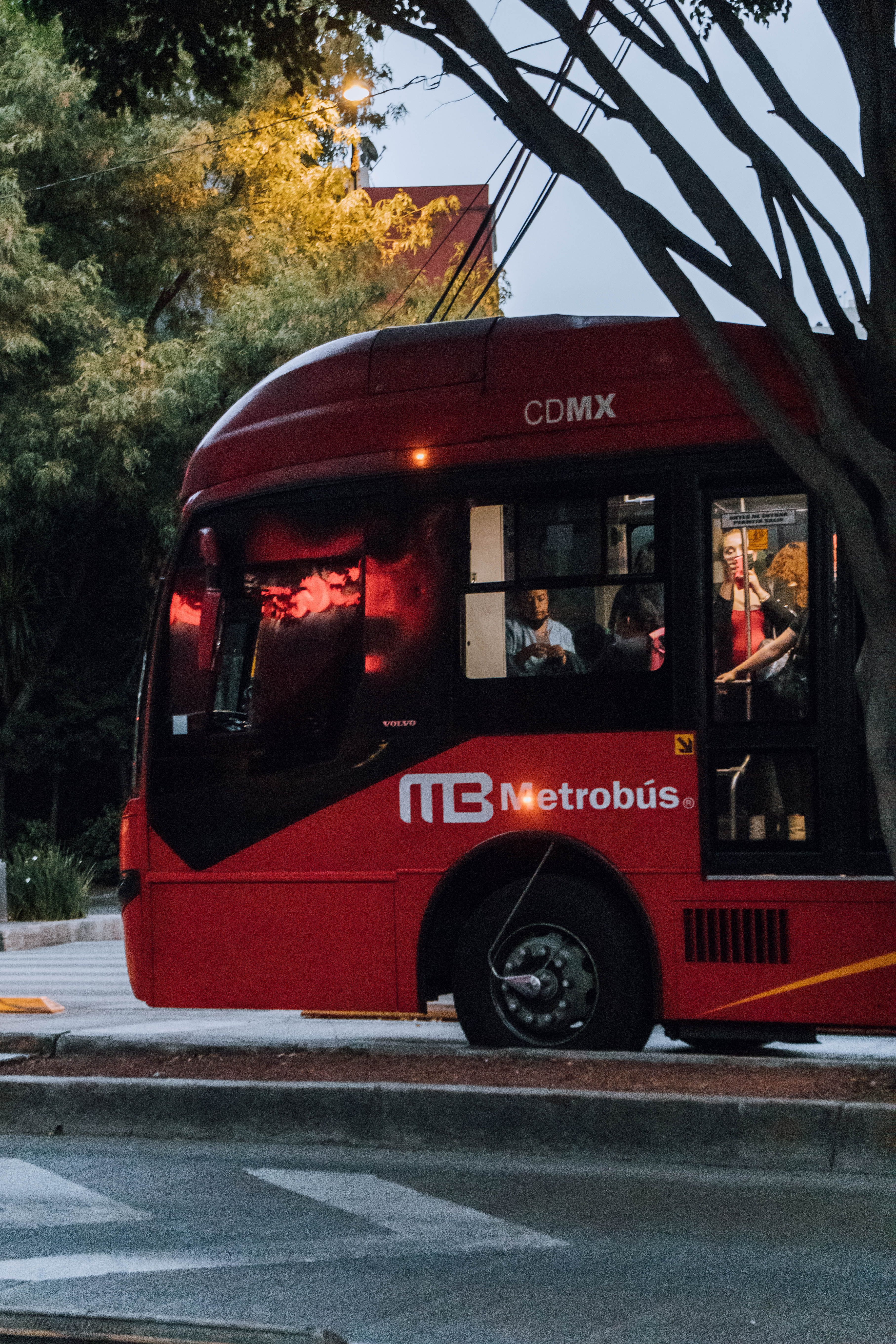
Mexico City runs one of the busiest metro systems on the planet. Twelve lines, close to 200 stations, and a fare of just a few pesos per ride.
At rush hour it beats driving outright. Traffic in the capital gets genuinely rough by late afternoon.
Good habits in the capital
- The Movilidad Integrada card is sold in stations and covers the metro, Metrobús, light rail and cable car.
- The front cars are reserved for women and children at peak times. The rule is enforced and marked on the platform.
- Skip the metro with large suitcases. At rush hour it is unmanageable. A rideshare costs little and spares you the ordeal.
- The Metrobús runs in dedicated lanes along avenues like Insurgentes. It is often easier to read than the metro on a first visit.
Guadalajara, Monterrey and Mérida have modern networks too. In colonial cities like Oaxaca, San Miguel de Allende or Campeche, you will walk everywhere.
Ferries and boats: reaching the islands
In the Mexican Caribbean, boats are everyday transport. Three crossings carry most of the visitor traffic.
- Playa del Carmen – Cozumel: about 45 minutes, very frequent departures, two competing operators on the same pier.
- Cancún (Puerto Juárez) – Isla Mujeres: roughly 20 minutes, departures every half hour during the day.
- Chiquilá – Holbox: about 25 minutes, combined with a bus or car ride to the port.
Tickets are bought at the window with no advance booking. If the sea is choppy, sit at the back of the upper deck — it is noticeably steadier.
Still deciding where to go? We compare the two moods in our guide, Holbox or Bacalar.
Our service: beyond the public ferries, we also arrange private boat rentals with a captain for snorkeling, sunset cruises or island-hopping days. A far nicer way to get around.
Private transfers, group and private excursions
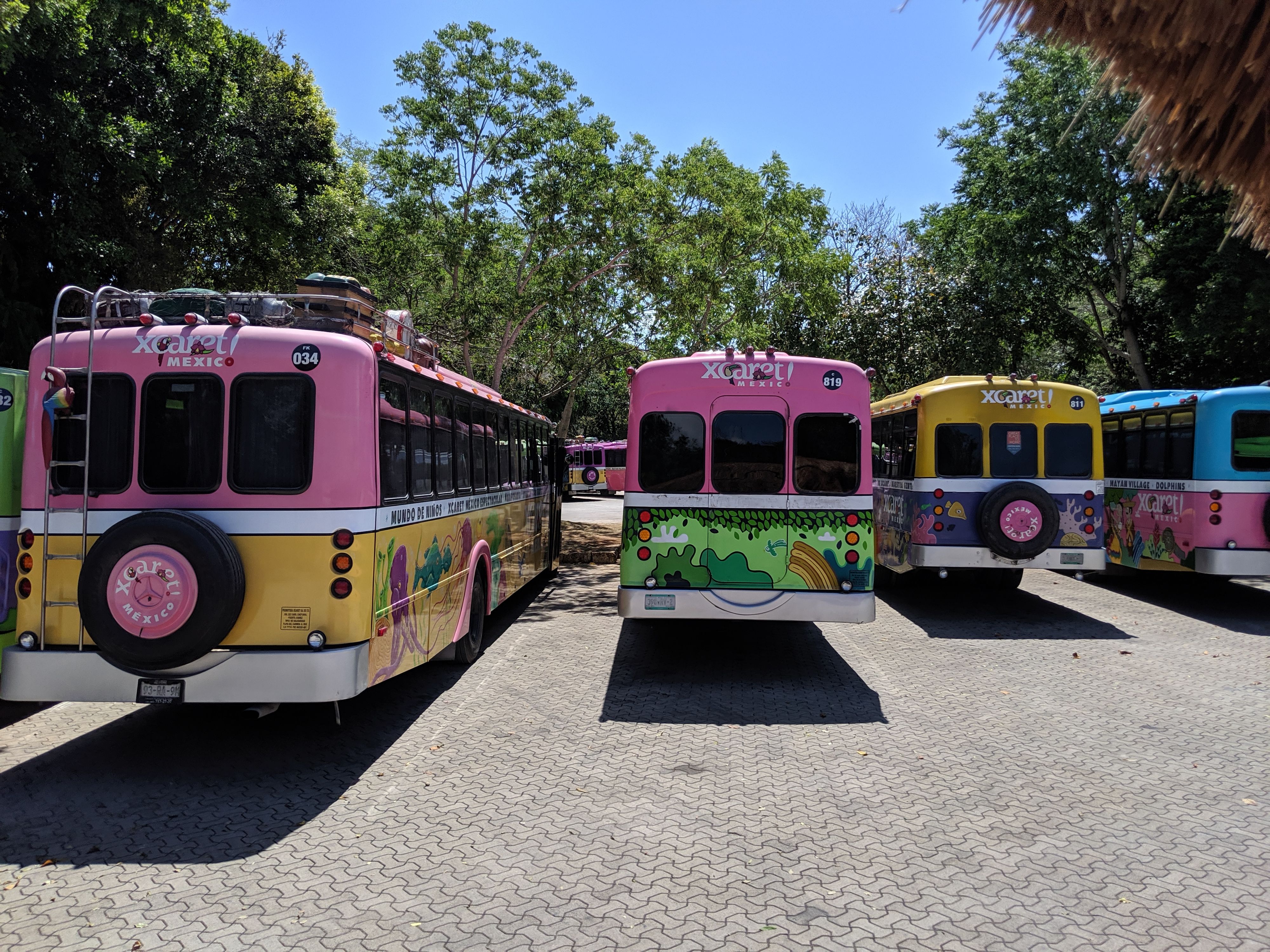
After a long flight, the last thing you want is to negotiate a fare in the arrivals hall. A private transfer settles that before you even take off.
Flat rate known upfront, a driver waiting with your name, child seats on request. That comfort shows most when you have luggage and tired kids.
How we move our travelers
- Private airport transfers in Cancún, Mérida, Mexico City or Oaxaca, one way or round trip.
- Group excursions with pickup directly at your hotel.
- Private excursions with a driver and a certified guide, built around your pace and your schedule.
- On-the-road excursions during a road trip, for the days you want to park the car and be guided.
- Car rental and boat rental through local partners we know personally.
- Private chef and concierge service, for villa stays where we handle everything, daily transport included.
To build a trip that holds together, our one week in the Riviera Maya itinerary is a solid starting point, as is our list of 16 must-sees in the region.
How long between major cities?
These are the times we actually see, outside exceptional traffic. They will stop you from overloading your itinerary.
| Route | Car | Bus | Plane |
|---|---|---|---|
| Cancún → Playa del Carmen | 50 min | 1 h 10 | — |
| Cancún → Tulum | 1 h 45 | 2 h 30 | — |
| Playa del Carmen → Chichén Itzá | 2 h 30 | 3 h 30 | — |
| Cancún → Mérida | 3 h 45 | 4 h 30 | 1 h |
| Mérida → Campeche | 2 h 15 | 2 h 45 | — |
| Mexico City → Puebla | 2 h | 2 h 15 | — |
| Mexico City → Oaxaca | 6 h | 6 h 30 | 1 h 10 |
| Mexico City → Cancún | 22 h | 24 h | 2 h 30 |
| Oaxaca → San Cristóbal | 9 h | 11 h | via Mexico City |
The detail that catches people out: Quintana Roo and Yucatán are not on the same clock. There is a one-hour difference between Cancún and Mérida. It is the single biggest cause of missed buses and missed opening times.
Road safety in Mexico
This is the most common question we get, and it deserves a measured answer. The tourist corridors of the Yucatán, central Mexico and the Pacific are driven without particular difficulty.
As anywhere, a handful of habits keep the trip smooth.
- Choose toll highways over free roads. They are better maintained and better patrolled.
- Drive in daylight on long distances. This is the single most useful rule on the list.
- Leave nothing visible inside the car when you stop, even briefly.
- Keep digital copies of your license, rental agreement and passport.
- Stay calm at a police checkpoint. We explain exactly how it goes in should you be afraid of police controls in Mexico.
For the full picture without the scare tactics, we answer the question in detail in is it dangerous to travel to Mexico.
Our on-the-ground tips
- Always carry pesos in cash. Colectivos, tolls, tips and small ticket windows do not take cards.
- Set up an eSIM before you fly. Without data, rideshare apps and navigation are useless.
- Download offline maps. Coverage drops quickly once you leave the main highways.
- Book overnight buses ahead during Semana Santa, December and Mexican long weekends.
- Pack a light layer for the bus. The air conditioning is set very low, every time.
- Budget generously between stops. A travel day is a travel day, not half a sightseeing day.
- Plan for tips. Drivers, porters and gas attendants partly live on them. We cover the norms in our guide to tipping in Mexico.
And to pack without forgetting anything useful on the road, our list of what to pack for Mexico does the sorting for you.
Mistakes we see every day
- Underestimating distances. Mexico is not a Caribbean island. Three regions in ten days is already a lot.
- Forgetting the time difference between Quintana Roo and Yucatán. One hour lost, one bus missed.
- Booking a car at the headline rate without checking mandatory insurance. The bill doubles at the counter.
- Counting on Uber at Cancún airport. Pickups there are regularly impossible.
- Stacking two long journeys with no overnight stop. The trip turns into a road marathon.
- Assuming the train replaces everything on the peninsula. Stations are often far from the centers.
- Arriving without cash pesos. The first colectivo or toll booth is a fast reminder.
To time your trip well, our guide on the best season to visit Mexico helps you avoid long drives in the rainy season.
Frequently asked questions about transport in Mexico
What is the best way to get around Mexico?
There is no single answer; it depends on distance. Under five hours of road time, take a long-distance bus or rent a car. Over eight hours, fly. For short regional hops, the colectivo is unbeatable on price.
Are buses comfortable and safe in Mexico?
Yes. First-class operators like ADO, ETN and Primera Plus run air-conditioned coaches with reclining seats, restrooms and power outlets. Overnight trips on main corridors are used routinely by visitors and Mexicans alike.
Do I need a rental car to visit the Yucatán?
Not strictly, but it changes the experience. Cenotes, villages and quieter beaches are hard to reach on public transport. For a loop through Mérida, Valladolid, Río Lagartos and the coast, a car is the best option.
Is the Maya Train worth it?
On the peninsula’s long corridors like Cancún–Mérida or Mérida–Campeche, yes. On short hops such as Cancún–Tulum, the distance between stations and town centers usually cancels out any time saved over a bus or car.
Does Uber work everywhere in Mexico?
In large cities such as Mexico City, Guadalajara, Monterrey and Mérida, yes, without trouble. In Quintana Roo — Cancún, Playa del Carmen and Tulum — the service exists but remains contested by taxi unions, particularly at the airport.
How much does a bus ticket cost in Mexico?
Expect roughly 300 to 700 pesos for a regional first-class trip, and up to 1,200 pesos or more for a very long haul. Rates vary by operator, service tier and how far ahead you book.
How does a colectivo work?
A colectivo is a shared minivan that leaves as soon as it fills up, with no fixed schedule. You flag it from the roadside or board at a known departure point, state your destination, and pay in cash, usually as you get off.
Can I get around Mexico without speaking Spanish?
Yes, in tourist areas. Elsewhere, a few words go a long way: “¿cuánto cuesta?” for price, “aquí, por favor” to get off, “lleno” for a full tank. Our excursions and transfers are run in English and French.
Do I need an international driving permit in Mexico?
A US license is accepted by most rental companies, though some ask for an international permit. Check your rental terms before you travel, along with your credit card limit for the security deposit.
How do I get from Cancún airport to my hotel?
Three options: the ADO shuttle to downtown and Playa del Carmen, an official taxi at the posted rate, or a private transfer booked in advance. The third is the smoothest after a long flight, especially with family.
Let’s build your itinerary together
Private transfers, car and boat rental, group and private excursions in English or French, private chef service: we assemble each piece so your travel days serve the trip instead of eating it. Let’s talk, no strings attached.