


What to pack for Mexico?
What to Pack for Mexico: The Complete Checklist
Short version: there isn’t one packing list for Mexico, there are three. One for the Caribbean coast, one for the high-altitude cities, one for the northern desert. Match the right combination to your route and you travel light without ever missing a thing.
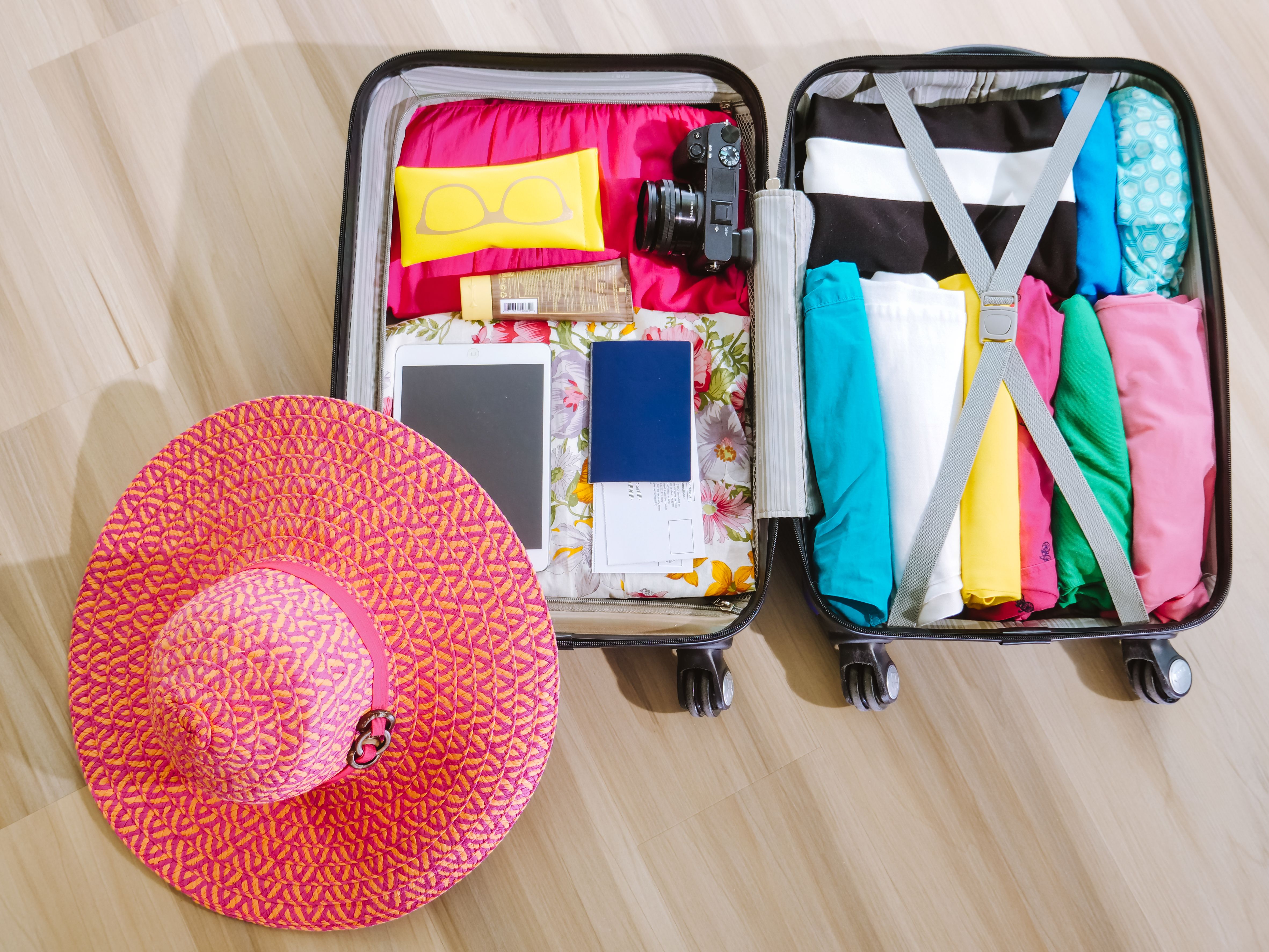
Packing for Mexico looks easy. Swimsuit, sunscreen, flip-flops, done. Then you land in Mexico City on a January evening at 46 °F and you realize something went wrong.
The country is nearly three times the size of Texas. Between the Riviera Maya, the central highlands and Baja California, temperatures can swing more than 45 °F on the same day.
We live here, in Playa del Carmen, and we host English-speaking travelers year-round. This is the list we send our clients before every departure. Let’s get into it.
Understand the climate before you pack
This is the step almost everyone skips. It decides about 80 % of what belongs in your bag.
Mexico doesn’t have one climate, it has several. Elevation matters as much as latitude, and two cities 200 miles apart can call for two different wardrobes.
The Caribbean coast and the Yucatán
Cancún, Playa del Carmen, Tulum, Bacalar, Holbox, Mérida. Hot and humid all year, roughly 79 to 93 °F during the day.
Evenings stay mild. The only real cold you will meet comes from the air conditioning on buses and in restaurants, which runs very low.
The high-altitude cities
Mexico City sits at 7,350 feet, San Cristóbal de las Casas at 6,950. Add Puebla, Guanajuato, Oaxaca and San Miguel de Allende.
Pleasant days around 72 °F, then evenings that drop below 50 °F between November and February. A real jacket earns its space.
The north and Baja California
Desert climate. Very hot by day, very cool at night, with a swing that can top 36 °F in winter.
| Region | Temperatures | Pack first |
|---|---|---|
| Riviera Maya and Yucatán | 79 to 93 °F, high humidity | Linen and cotton, swimsuits, light jacket for the AC |
| Mexico City, Oaxaca, Chiapas | 50 to 75 °F depending on the hour | Layers, sweater, jacket, long pants |
| Baja California and the north | 46 to 97 °F, dry air | Sun protection, windbreaker, water bottle |
| Pacific coast | 75 to 90 °F | Light outfits, water shoes, rain poncho in summer |
To line your itinerary up with the right weather window, we break it all down in our guide to the best season to visit Mexico.

Documents you cannot forget
These are the only items in your bag that cannot be replaced locally. So we handle them first.
- A valid passport covering your whole stay. Many airlines apply a six-month margin, so treat that as your benchmark.
- Proof of onward travel for immigration. A return ticket, a flight to another country, even a bus ticket to Belize or Guatemala will do.
- Proof of accommodation for the full stay, with the complete address of your first hotel or rental.
- Travel insurance certificate including medical repatriation. Private medical bills add up fast in Mexico.
- An international driving permit if you plan to drive. Your home license is accepted by rental agencies, but the IDP removes any discussion at a checkpoint.
- Digital copies of everything above, stored in your email and offline on your phone.
We answer every paperwork question in our dedicated guide to the formalities for traveling to Mexico. And if road checkpoints worry you, we clear up the myths in should you be afraid of police controls in Mexico.
Our tip: photograph your passport and your insurance policy, then email them to yourself. If anything gets lost, you save two days of consulate paperwork.
What clothes to pack for Mexico
One sentence covers the rule: natural fabrics, light colors, and one warm layer even in mid-summer.
Cotton and linen breathe. Synthetics cling to the skin the moment humidity climbs, and on the peninsula the air stays heavy most of the year.
For the coast and the cenotes
- Two or three swimsuits. Laundry dries slowly in that humidity, so one is never enough.
- T-shirts, tank tops and light cotton or linen shirts.
- Shorts, flowy dresses, and one pair of light long pants for evenings and mosquitoes.
- A sarong or a microfiber towel, which dries fast and packs flat.
- A rash guard if you plan on snorkeling or a boat day.
For altitude and the colonial cities
- A sweater or fleece. Not a precaution, a necessity from November through February.
- A windbreaker, ideally water-resistant.
- Long pants and a light scarf for the evenings.
The layer everyone forgets
Air conditioning. On ADO buses, in restaurants and in some museums, it runs full blast all day.
A light cardigan in your day bag solves five hours of travel. It is the advice we repeat most often to our travelers.
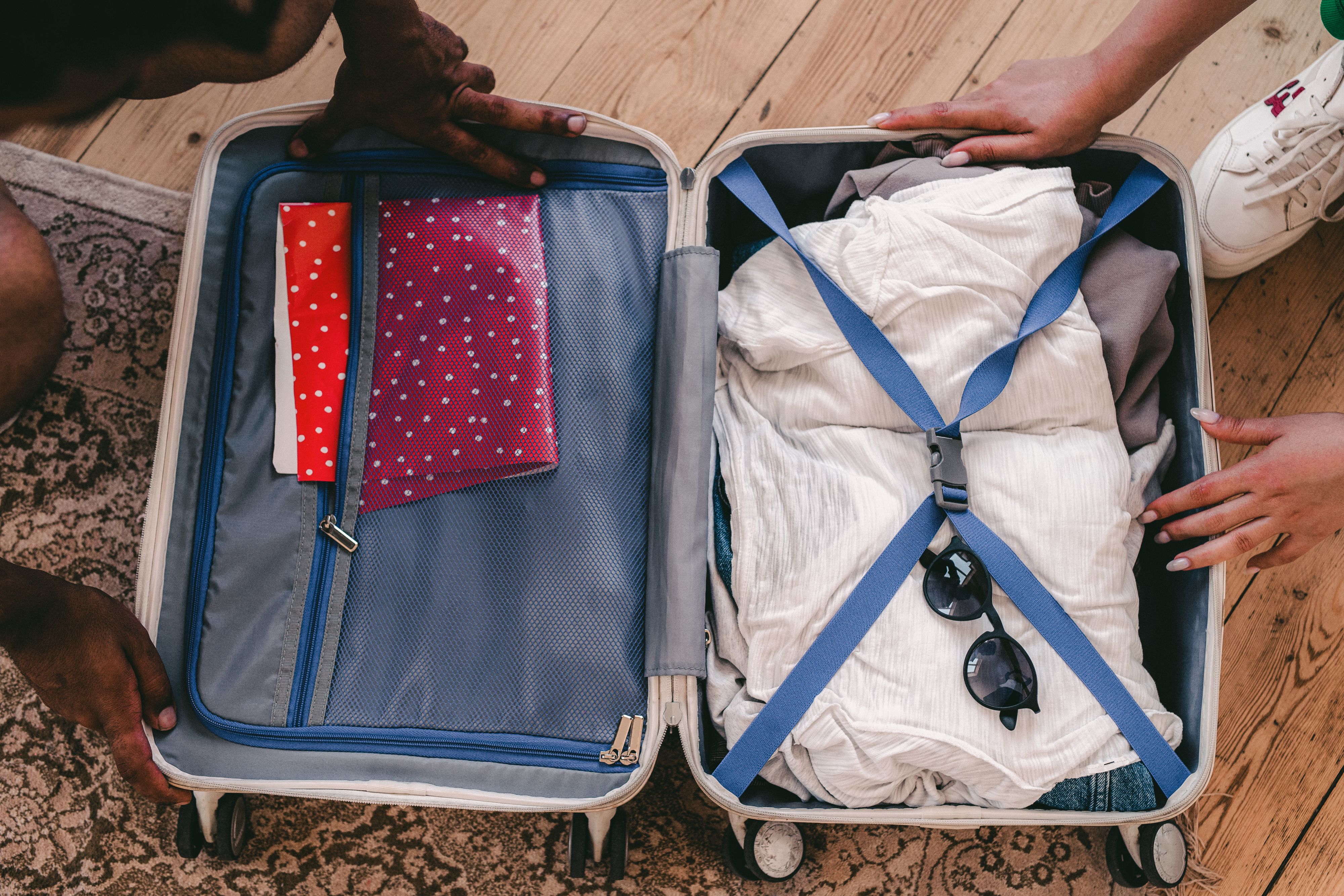
Shoes: three pairs are enough
Shoes are heavy and bulky. Three pairs cover an entire trip, whatever your route looks like.
- Flip-flops or beach sandals for the pool, the sand and short walks.
- Closed, breathable sneakers for archaeological sites and cities. The ground at Chichén Itzá and Cobá alternates gravel, uneven stone and tree roots.
- Water shoes for the cenotes. The limestone is sharp, the ladders are slippery, and many sites now require them.
That third pair is the one travelers underestimate most. It costs about twenty dollars and saves you a cut foot on day three.
If you plan to chain underground swims, take a look at our pick of the best cenotes in the Riviera Maya.
Worth knowing: our English-speaking tours run as small group or fully private trips, straight from your hotel on the Riviera Maya, or from the meeting point of your choice if you are on a road trip. Snorkeling gear is included on most outings.

Sunscreen, mosquitoes and cenotes
This is the least understood part of packing for Mexico, and the one that costs the most when you get it wrong.
Reef-safe sunscreen is mandatory
In cenotes, ecotourism parks and nature reserves, only biodegradable reef-safe sunscreen is allowed. Standard chemical filters damage the underground ecosystem, which is connected to the groundwater.
The checks are real. At the entrance to many sites your sunscreen is inspected, and a mandatory shower comes before you swim.
Locally, reef-safe sunscreen costs two to three times what you pay at home. Buy it before you fly and you easily save 30 dollars on a trip.
We break the rules down site by site in how to protect yourself from the sun in Mexico.
Mosquitoes
They come out at sunrise and sunset, especially near the jungle and the lagoons. Dengue circulates every year in the south of the country.
An effective repellent and light long pants in the evening take care of it. Products sold in Mexico work very well if you prefer to buy on arrival.
The rest of your sun kit
- A wide-brimmed hat or a cap. Shade is scarce on archaeological plazas.
- Sunglasses with genuine UV protection.
- An SPF lip balm.
- An insulated water bottle, which saves you buying plastic bottles all day.
Our Travel Coach tip: pack a full-size reef-safe sunscreen in your checked bag and a small 1.7 oz bottle in your carry-on for day one. You stay covered even if your luggage arrives late.
Your travel first aid kit
Mexican pharmacies are everywhere, well stocked and far cheaper than back home. There is no need to travel with an entire medicine cabinet.
Pack what covers the first 48 hours, then top up locally if you need to.
- Your personal prescriptions, in their original packaging, with the prescription or at least the generic drug name.
- An anti-diarrheal and oral rehydration salts. The change in diet often surprises people in the first few days.
- A standard pain reliever and an antihistamine.
- Bandages, antiseptic and blister plasters.
- A pocket hand sanitizer.
- Motion sickness tablets if you have boat crossings to Isla Mujeres, Cozumel or Holbox.
How the healthcare system actually works, plus a traveler’s account, is covered in what is the medical support in Mexico. Traveling as a family? Everything is gathered in what to plan when traveling with a baby to Mexico.
Electronics, outlets and drones
Mexico uses type A and B outlets, the same as the United States, on 127 volts.
If you are flying in from the U.S. or Canada, no adapter is needed at all. Travelers from Europe need a plug adapter, but no transformer, since phone and laptop chargers are dual voltage.
- A power bank for long excursion days. It has to travel in your carry-on.
- A waterproof phone pouch, essential in cenotes and on boats.
- An eSIM or a local SIM card. Telcel covers the country far better than the other carriers.
- A camera or a GoPro if you want decent shots underwater.
- A plug adapter only if your devices use European or UK plugs.
About drones
Drone use is regulated and banned at every site run by INAH, including Chichén Itzá, Tulum and Cobá. Bag checks at the entrance are real.
The full rules, registration and permitted zones are explained in can you use your drone in Mexico.
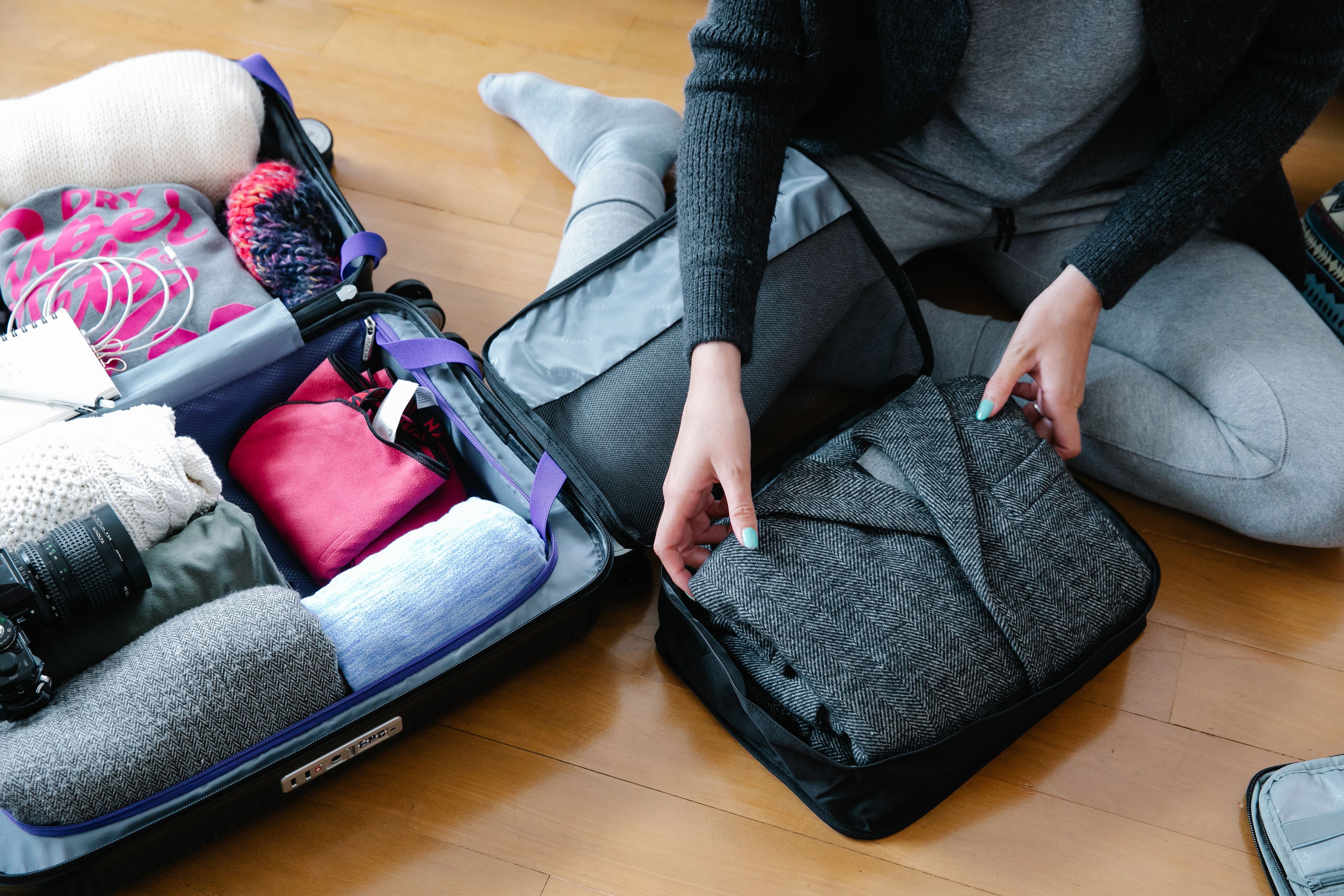
What not to pack for Mexico
Almost no other packing guide covers this. It still saves people real trouble on arrival.
- Fresh produce, cured meats and cheese. Agricultural checks are strict and seizures are common at Cancún airport.
- Certain everyday medications. Several pseudoephedrine-based products are banned from import. When in doubt, carry the prescription and the generic drug name.
- Large quantities of dive gear that has not been declared, which can be reclassified as a commercial import.
- Too many clothes. This is mistake number one. Every week we meet travelers who fly home with half a suitcase never opened.
- Hair dryers and flat irons. Every property provides them, and 127 volts is hard on non-dual-voltage European appliances.
- Valuables you will not use. Jewelry, watches and high-end gear with no planned purpose belong at home.
Easy to buy locally: toiletries, towels, flip-flops, mosquito repellent, hats. Save that weight for handicrafts, mezcal and Chiapas coffee on the way back.
Carry-on or checked: weight and domestic flights
The trap in Mexico is not the international flight. It is the domestic ones.
On long-haul routes you usually travel with a checked bag included, and a generous carry-on allowance, depending on your airline and fare class.
Mexican low-cost carriers work very differently. Volaris and VivaAerobus charge for checked bags, cap carry-on size strictly, and genuinely measure bags at the gate.
| Type of flight | What to plan for |
|---|---|
| International to Mexico | Checked bag usually included. Confirm your exact allowance before you finish packing. |
| Standard domestic flight | Lower allowance than international. Excess weight is expensive at the counter. |
| Low-cost domestic flight | Checked bag costs extra, carry-on measured against a sizer. Book baggage online, it is far cheaper. |
| Long-distance bus | Two checked bags are generally fine. Keep valuables with you on board. |
On format, a hard-shell roller suitcase is perfect for the Riviera Maya. For a road trip with several stops, a soft duffel fits a trunk far better.
Every transport option, from ADO buses to private transfers, is compared in getting around Mexico. And if you are weighing up a rental, our benchmarks are in our advice for a car rental in the Riviera Maya.
Our Travel Coach tip: with two large suitcases and kids in tow, a private transfer from Cancún airport often costs less than an official taxi and skips the line entirely. We also arrange car rental, boat charters and a private chef if you would rather have dinner without leaving your villa.
Packing by trip length
One week or one month, the list barely changes. Only the quantities move, and far less than you would expect.
Laundry costs a few dollars a load anywhere in Mexico and comes back within 24 hours. Past ten days of clothes, you are carrying weight for nothing.
| Trip length | Recommended format | Quantity benchmarks |
|---|---|---|
| 1 week | Carry-on only, if your fare allows it | 5 tops, 3 bottoms, 2 swimsuits, 1 evening outfit |
| 2 weeks | Checked bag, 60 to 70 liters | 7 tops, 4 bottoms, 3 swimsuits, 1 laundry stop |
| 3 weeks and beyond | Soft duffel, easier on a road trip | Same base, 2 laundry stops, space left for the return |
For a first trip to the peninsula, our tested itinerary is in what to do in one week in the Riviera Maya. And if you are torn between two destinations, we settle it in what to choose between Holbox and Bacalar.
Packing by season
Dry season, November to April
The most comfortable window. Manageable heat, clear skies, lower humidity.
Add a proper jacket if your route runs through Mexico City, Oaxaca or San Cristóbal. January nights there are genuinely cold.
Rainy season, May to October
Showers usually fall late in the day, hard and short. They don’t ruin a trip, they give it a rhythm.
A light poncho or a packable rain jacket is enough. An umbrella is useless against the wind of a tropical storm.
Sargassum season
The seaweed hits the Caribbean coast mostly between April and August, and varies a lot by beach and by year.
It is not a packing question but a planning one. We explain how to adapt your program in can we swim despite the sargassum in Mexico.

Our on-the-ground tips
- Roll your clothes instead of folding them. You gain around 30 % of volume and fewer creases.
- Use packing cubes. On a multi-stop itinerary you never have to unpack the whole bag again.
- Put a full outfit in your carry-on, swimsuit included. A delayed bag then doesn’t cost you day one.
- Carry small peso bills for tips and small shops. We explain local etiquette in our guide to tipping in Mexico.
- Leave 20 % of your suitcase empty. Mexican handicrafts, coffee and mezcal take up more room than you think.
- A packable daypack for day trips. It weighs seven ounces and gets used daily.
- A TSA lock and a laundry pouch. Two small details that change the comfort of a long trip.
Mistakes we see every single week
- Packing beachwear only. The moment the itinerary climbs in altitude, the suitcase stops working.
- Buying sunscreen on arrival. Two to three times the price, with a narrower reef-safe selection.
- Forgetting water shoes. The most common omission, and the most painful after two cenotes.
- Underestimating the air conditioning. Five hours on a bus at 64 °F in a tank top is a memory you can skip.
- Ignoring domestic baggage allowances. Excess weight is settled at the counter, at the highest rate.
- Flying out with a full suitcase. Nobody leaves Mexico empty-handed.
We’ll handle the rest of your trip
Your suitcase is ready. The rest can be too. Small group or private tours from your hotel, or from wherever you are on a road trip, airport transfers, car rental, boat charters, a private chef, restaurant bookings: our English-speaking concierge service coordinates all of it with trusted local partners and certified guides.
Frequently asked questions about packing for Mexico
What should I pack for Mexico, in one sentence?
Light clothing in natural fabrics, two or three swimsuits, three pairs of shoes including water shoes, reef-safe sunscreen, mosquito repellent, a light jacket for air conditioning and altitude, and digital copies of your documents.
Do I need warm clothes in Mexico?
Yes, as soon as your itinerary includes Mexico City, Puebla, Oaxaca or San Cristóbal de las Casas. Those cities sit above 6,500 feet and winter evenings drop below 50 °F. On the Caribbean coast a light jacket is enough, mainly against the air conditioning.
Is reef-safe sunscreen really required?
Yes, in cenotes, ecotourism parks and nature reserves such as Sian Ka’an. Standard sunscreens are refused at the entrance and a shower is often required before swimming. Buy it before you fly, it costs two to three times less at home.
What size suitcase for two weeks in Mexico?
A 60 to 70 liter checked bag is plenty for a fortnight. Laundry is cheap and fast everywhere in Mexico, which lets you cut quantities and keep room for the trip home.
What plug adapter do I need for Mexico?
Mexico uses type A and B outlets on 127 volts, identical to the United States, so U.S. and Canadian travelers need nothing. From Europe or the UK, bring a plug adapter. No transformer is needed for dual-voltage phone and laptop chargers.
Can I bring medication into Mexico?
Yes, for personal use, in original packaging and with the prescription. Some common medications, notably pseudoephedrine-based products, are banned from import. Check before you fly and always travel with the generic drug name.
Should I pack a mask and snorkel?
It pays off if you plan several snorkeling outings, since rental adds up fast on the peninsula. For a single guided trip, gear is usually provided by the operator.
What should I wear to visit archaeological sites?
Light, covering clothing, closed sneakers, a wide-brimmed hat and two liters of water per person. There is almost no shade on the plazas of Chichén Itzá, Tulum or Uxmal.
Can I bring my drone to Mexico?
Yes, but its use is regulated and banned at every INAH-run site and in several reserves. Bag checks at archaeological sites are real and confiscations do happen.
What should I definitely leave at home?
Fresh produce and cured meats, which are blocked at agricultural checks. Hair dryers and flat irons, provided everywhere and strained by 127 volts. And, broadly, half the clothes you had planned.