


Healthcare in Mexico: Doctors, Emergencies and Travel Insurance
Healthcare in Mexico: Doctors, Emergencies and Travel Insurance

Short version: healthcare in Mexico comes down to three things. Solid travel insurance, the right number to dial, and someone on the ground who speaks your language when you no longer follow the conversation. Everything else takes twenty minutes to prepare.
Nobody plans a vacation around the hospital. Yet every season we walk several families into a clinic on the Riviera Maya. An ear infection, a finger broken in a cenote, dehydration, a scooter spill.
We live in Playa del Carmen and we handle these calls ourselves for our travelers. Here is what we wish we had known before our first Mexican ER visit. Let us get into it.
How the Mexican healthcare system actually works
Mexico runs on two tiers, and the gap between them decides your whole experience as a visitor.
Public care, built for contributors
IMSS and ISSSTE cover Mexican workers and their families. Facilities are everywhere, including small towns, but they are sized for the local population.
In practice: crowded waiting rooms, long delays, limited English. In a life-threatening emergency a public hospital will stabilize you without asking questions. For anything else, it is the wrong door.
Private care, the normal route for travelers
Private clinics and hospitals form a dense network in tourist regions. Hospiten, Amerimed, Costamed and Galenia on the Caribbean coast, Médica Sur or Hospital Ángeles in Mexico City.
Equipment is modern, waits are short, staff frequently speak English. In exchange, the facility wants a financial guarantee before opening a file. That is where your policy comes in.
Worth knowing: Mexico is also a major medical and dental tourism destination. Clinics in Cancún, Tijuana and Los Algodones treat a largely American clientele, with comparable standards at a fraction of US prices.

What medical care really costs in Mexico
The figures below are what we see on the Yucatán Peninsula. They shift by city, by hospital and from one year to the next.
| Service | Typical price | Good to know |
|---|---|---|
| Pharmacy walk-in clinic | 50 to 100 MXN | about $3 to $6: attached to most major chains, no appointment |
| Private GP appointment | 600 to 1,200 MXN | about $35 to $65: sometimes at your hotel or rental |
| Private ER visit | from 2,500 MXN | about $140 and up: before labs, imaging and medication |
| Night in a private hospital | 8,000 to 25,000 MXN | about $450 to $1,400: intensive care climbs far higher |
| Medical evacuation | $30,000 to $80,000 | air ambulance to the United States: the line item that justifies insurance |
Conversion used here: roughly 18 pesos to the dollar. Rates move, so check before you travel.
What catches most visitors off guard is not the price of the consultation. It is the deposit requested at admission, sometimes several thousand pesos before the first test.
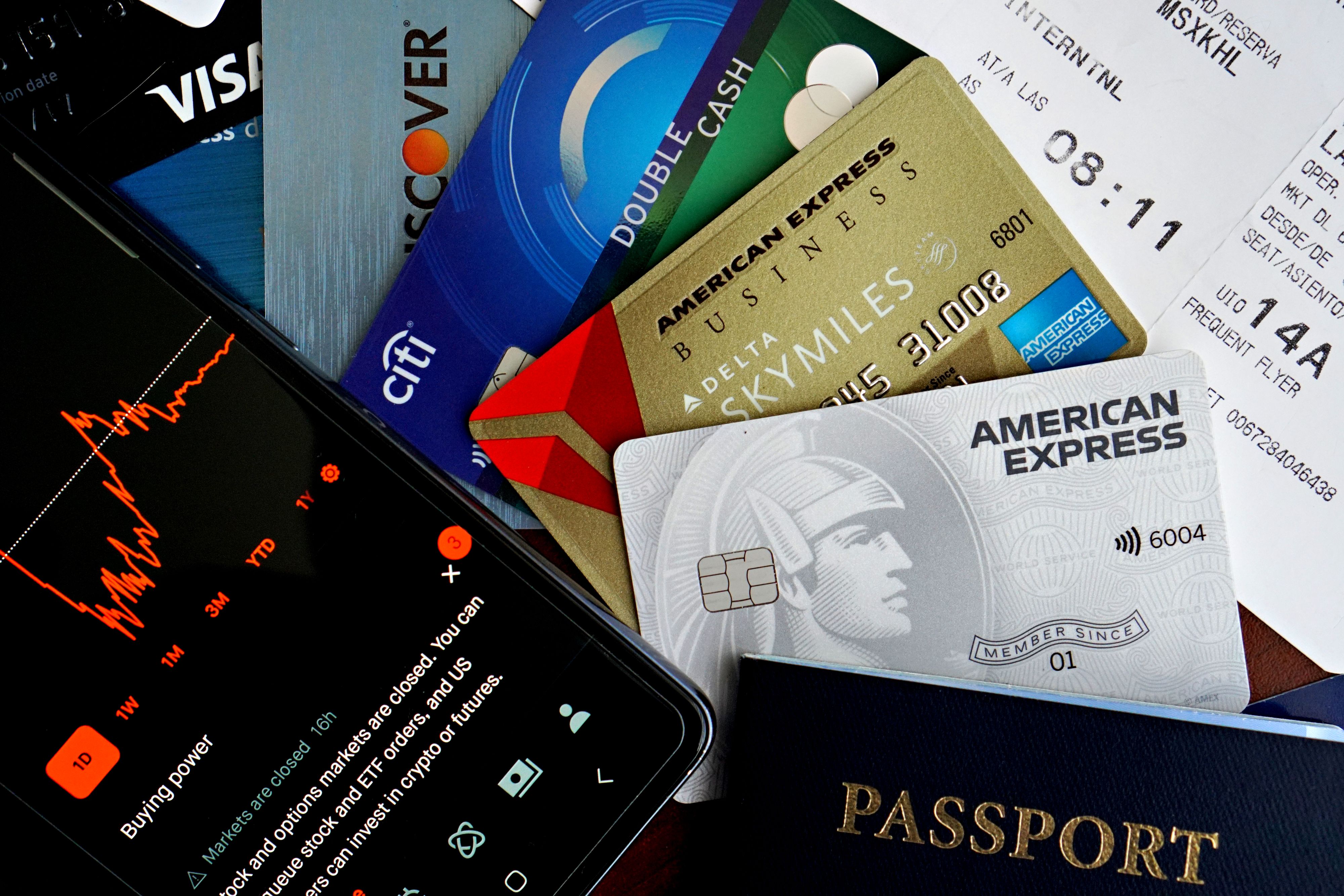
Travel insurance: your real safety net
Mexico does not require it at the border. That is no reason to skip it.
Most US health plans provide little or no coverage outside the country, and Medicare covers essentially nothing abroad. Whatever happens rests on the policy you bought.
The clauses worth reading line by line
- Medical expense limit: aim for at least $100,000. Below $50,000 the cover is mostly theoretical.
- Emergency medical evacuation: uncapped if possible, with repatriation of a companion.
- Direct billing: the clause that spares you fronting $5,000 at admission.
- Covered activities: scuba, snorkeling, ATV, scooter, mountain biking, ziplining. Many policies exclude or restrict them.
- 24/7 assistance line with a real human. At 3 a.m. that matters more than the price.
- Deductible: what stays out of pocket on every claim.
What about credit card coverage?
Premium travel cards do include emergency medical and evacuation benefits. They help, but limits are usually modest, trip length is capped at 60 or 90 days, and adventure sports are often excluded.
One condition trips people up constantly: the trip generally has to be paid with that card. Read the benefits guide, then buy a dedicated policy if the gap is too wide.
Our take: compare at least three quotes and judge them on two points only, the medical expense ceiling and the list of covered activities. Everything else is secondary. Buy the policy the same week you book your flights, since trip-cancellation benefits often depend on it.
One last reflex, and it is the big one: call your assistance line before you commit to expenses whenever the situation allows. Pre-approval turns a $4,000 advance into straight direct billing.
Medical emergency: who to call, and in what order
Under stress, people grab their phone and freeze. Here is the sequence that works.
- 1. Dial 911 if life is at risk. National, free, from any phone, even without a local SIM.
- 2. Your assistance line once the patient is being cared for, or right away if the situation is not critical. They point you to an in-network facility.
- 3. Your hotel or your contact on site. Front desks almost always have an on-call doctor and can arrange medical transport.
- 4. Your consulate for a major hospitalization, a death, or lost documents.
| Number | What it is for |
|---|---|
| 911 | National emergencies: fire, police, ambulance |
| 078 | Ángeles Verdes: free roadside assistance for tourists |
| 800 987 8224 | Federal tourist assistance, English and Spanish |
Two details that save the day. Save your insurer with the full international dialing code, because a domestic 800 number often will not connect from Mexico. And write down which hospital your insurer will send you to.
If you are driving the Yucatán highways, keep our notes on police checkpoints and on getting around Mexico handy too.

Finding an English-speaking doctor in Mexico
Describing pain in a second language is hard enough. Doing it for your kid is another level.
English-speaking physicians are common across tourist regions, and many trained in the United States. Playa del Carmen, Cancún, Tulum, Mexico City, Mérida, Puerto Vallarta and Los Cabos are all well served.
Three routes that work
- The hotel on-call doctor. In-room visit, often within the hour, billed between 1,200 and 2,500 pesos.
- Telehealth from home for a quick opinion when no physical exam is needed.
- A local address book. That is what we maintain for our travelers: GPs, pediatricians and clinics we have tested, reachable on WhatsApp.
Plenty of Mexican doctors work over WhatsApp, including for first contact and sending prescriptions. It feels odd at first and it saves real time.
Our tip: before you fly, save your blood type, allergies, current medications and their generic names in your phone. US brand names mean nothing to a Mexican physician, generic names travel everywhere.
Mexican pharmacies, explained
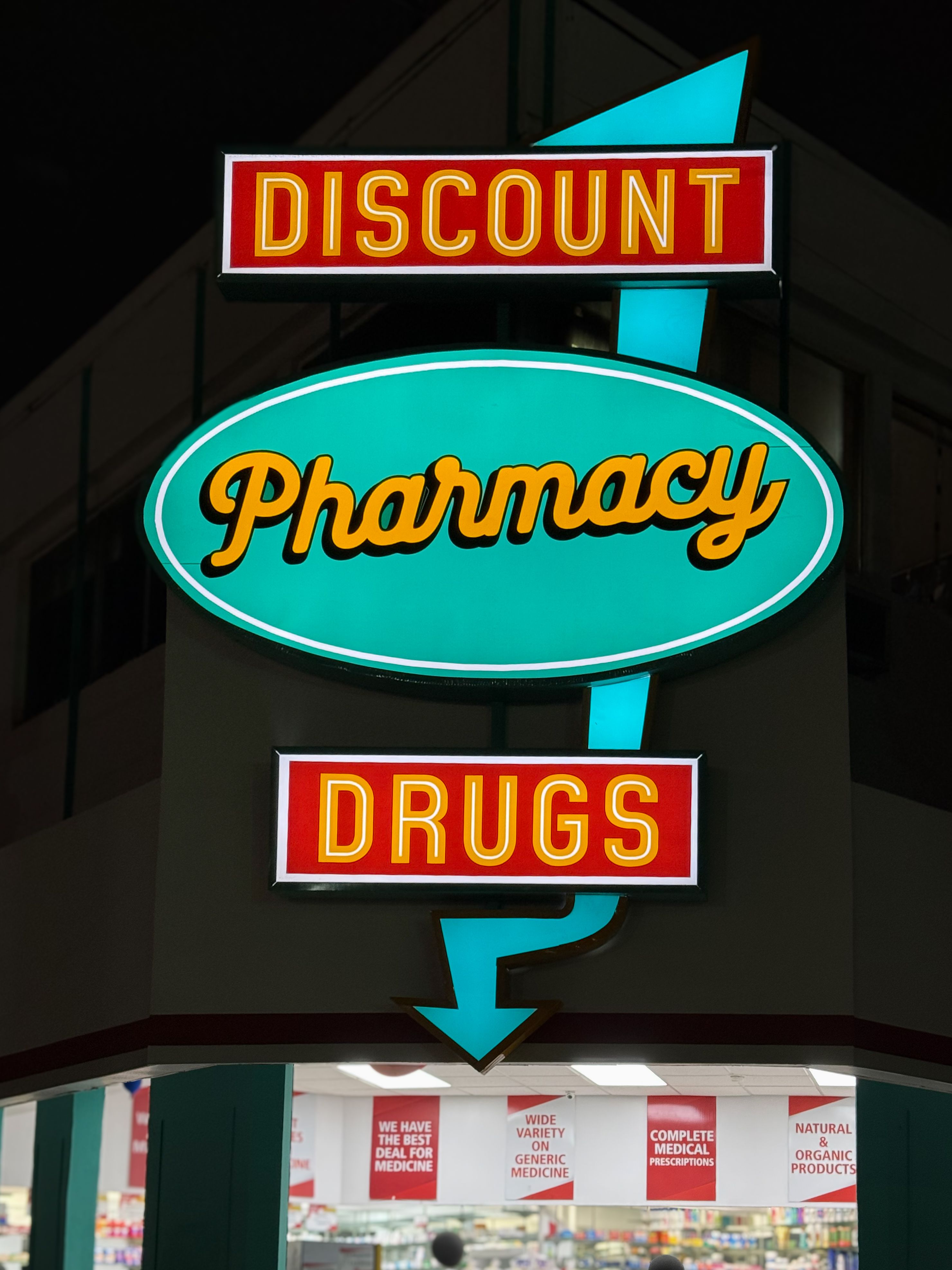
The farmacia is the first stop for health issues in Mexico, by a wide margin. It solves roughly 80 percent of what happens to travelers.
The consultorio, the system’s best-kept secret
Farmacias Similares, Farmacias del Ahorro, Farmacias Guadalajara: most large chains run an attached doctor’s office. Walk in, pay around 50 pesos, leave with a prescription.
For a sore throat, a UTI, a skin infection or stomach trouble that drags on, it is fast and perfectly suited. Anything resembling an emergency goes straight to a clinic instead.
What you can and cannot buy
Pain relievers, antidiarrheals, rehydration salts, bandages and creams are freely available. Antibiotics and controlled substances require a Mexican prescription, with no exceptions since the rules tightened.
Prices sit far below US levels and generics are everywhere. Still bring your own prescriptions from home, in original packaging with the paperwork. We cover the full list in our guide on what to pack for Mexico.
A real emergency we handled with one family
A family we were looking after in Playa del Carmen. Their six-year-old daughter, a high fever in the middle of the night, no Spanish in the household.
The hospital was never the problem. The insurance call was: the line would not connect, because the country code was missing from the saved number.
Once we got through, everything moved. Referral to an in-network clinic, direct billing, child treated that same night. The next morning her mother wrote to us.
What the mother wrote: “We came out of it stronger, my daughter treated and one fear less for our future trips. Thank you to the insurer, to the hospital and its staff. And thank you Mexique Aventure for the support: this is more than selling activities, it is a genuinely human service.”
Two lessons we now repeat to every traveler. Save your assistance line with the country code in front. And know in advance which facility your insurer will send you to.

Common travel ailments and how to avoid them
Traveler’s diarrhea
The classic, and rarely serious. Bottled water only, including for brushing teeth. Peel your own fruit, go easy on raw vegetables rinsed in tap water.
If it settles in: oral rehydration salts from any pharmacy, light meals, no alcohol. Fever above 101 °F, blood, or symptoms past 48 hours means you see a doctor.
Sun and dehydration
The real trap on the peninsula. The UV index runs very high, the sea breeze hides the burn, and heat exhaustion arrives quietly.
Two liters of water minimum per day, a hat, shade breaks. Our full rules are in our guide on using sunscreen in Mexico, which also matters for protecting the cenotes of the Riviera Maya.
Mosquitoes
Dengue circulates in Mexico, especially during and after the rainy season. Zika and chikungunya are documented at low levels.
Use DEET or picaridin repellent, cover up at dusk, sleep with a fan or air conditioning. Timing matters a lot, and we break it down in our guide on the best season to visit Mexico.
Ocean and cenotes
Sharp coral, sea urchins, seasonal jellyfish, and sargassum that irritates skin as it breaks down. We cover that in our article on swimming despite the sargassum.
Wear water shoes in cenotes and never dive in without checking the depth. A sprained ankle at the bottom of a cave is a complicated rescue.
Vaccines and prevention before you fly
No vaccine is required to enter Mexico, except yellow fever if you are arriving from a country where it circulates.
Health authorities recommend being current on routine vaccines, and considering hepatitis A and B, typhoid and rabies depending on the length and style of your trip. Your physician decides, not a blog post.
Book that appointment four to six weeks ahead. Some schedules need several spaced doses.
Official sources: the CDC Travelers’ Health page for Mexico and the US Embassy in Mexico are the references. Check them before each trip, they are updated regularly.
On the paperwork side, everything is gathered in our article on the formalities for traveling to Mexico.
Your travel medical kit for Mexico
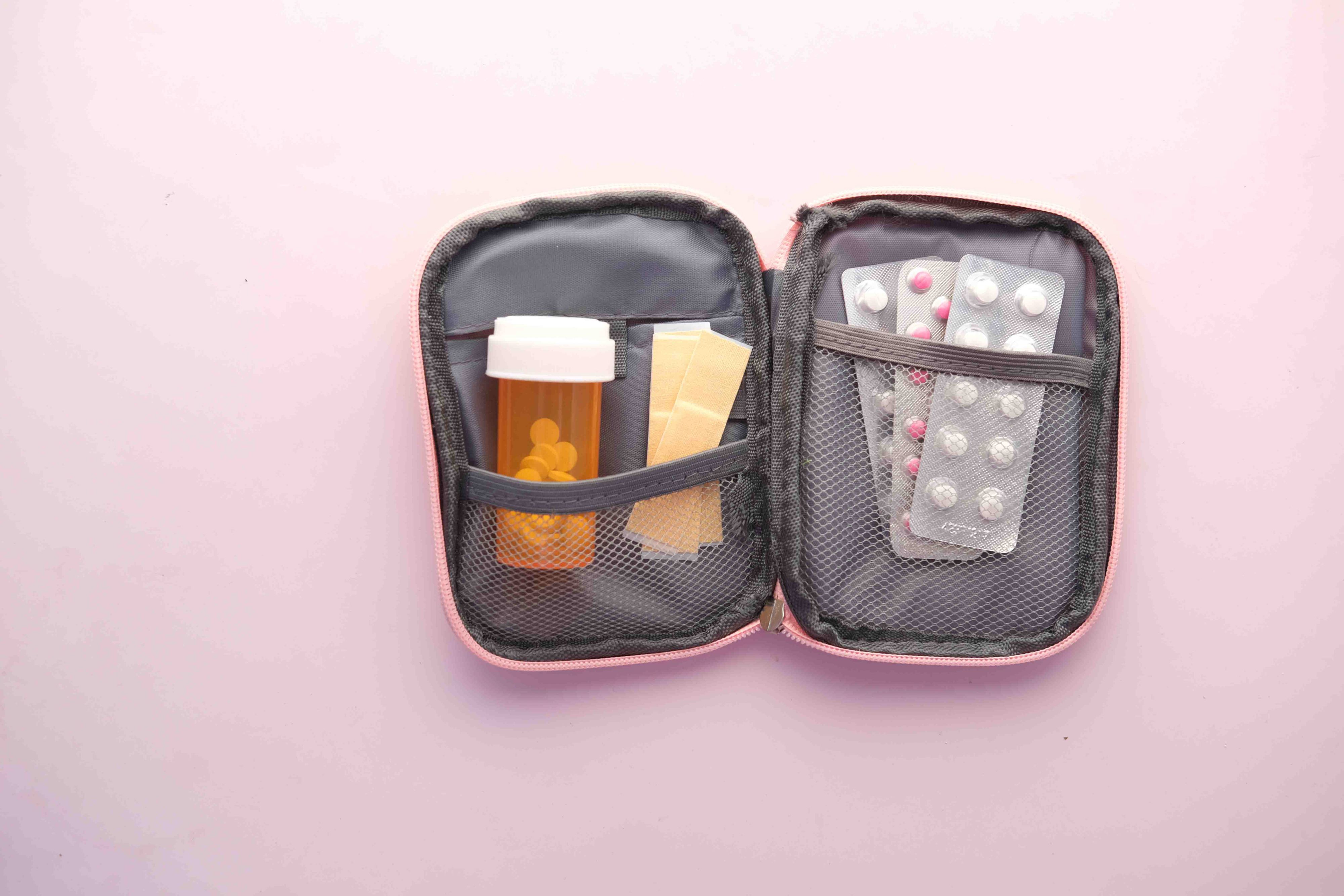
It fits in a pouch, it flies in your carry-on, and it saves half your pharmacy runs.
- Your own prescriptions in sufficient quantity, in original packaging, with the paperwork.
- Your usual pain reliever and fever reducer, the one you already trust.
- Oral rehydration salts: the one true essential in this climate.
- An antidiarrheal to get through a bus ride or a flight.
- Tropical-strength insect repellent and after-bite cream.
- Mineral sunscreen, required in cenotes and eco-parks.
- Bandages, antiseptic, gauze for coral scrapes.
- Hand sanitizer and a compact thermometer.
Traveling with little ones stretches the list a bit. We detail it in our guide on what to plan when traveling with a baby in Mexico.
What we set up for you on the ground
Our job is not to treat you. It is to make sure you never have to handle an emergency alone, in a language you do not speak.
- A reachable contact in English or French for your entire stay, weekends included.
- Our medical address book: clinics, GPs and pediatricians we know personally.
- Airport and intercity transfers with vetted partner drivers.
- Group or private tours departing from your hotel, or joining you on the road if you are doing a road trip.
- Car rental with readable insurance and no surprises at the counter.
- Boat charters for a private day out or a fishing trip.
- A private chef for villa stays, handy when someone in the group has dietary restrictions.
- Concierge service for everything else: bookings, last-minute changes, translating a medical document.
That support is the core of what a travel coach does. It applies to a classic vacation as much as to a wedding, a bachelorette or bachelor party, a milestone birthday, a corporate retreat or a spiritual retreat.
Still building your itinerary? Take a look at our one week on the Riviera Maya, our Holbox versus Bacalar comparison or our guide to visiting Chichén Itzá.
The mistakes we see most often
- Traveling uninsured because it is only two weeks. The most expensive bet you can place.
- Saving the assistance line without the country code. The exact mistake our travelers hit, and the easiest to fix.
- Paying first, calling second. Without pre-approval, reimbursement becomes a paperwork marathon.
- Assuming the credit card covers everything. Limits run out fast and adventure sports are often excluded.
- Booking an ATV or scooter without checking the policy covers it. That is our number one reason for a clinic visit.
- Using tap water “just for teeth.” That is already too much.
- Underestimating the sun. Dehydration causes more incidents on our tours than anything else.
Mexico stays an easy destination when it is prepared properly. We lay it out in our article on whether it is dangerous to travel to Mexico.
Frequently asked questions about healthcare in Mexico
Do I need travel insurance for Mexico?
It is not required to enter the country, but we treat it as essential. Private Mexican hospitals ask for a payment guarantee before admitting a foreign patient, and most US health plans, including Medicare, do not cover care abroad. Without coverage you pay everything up front, and a medical evacuation home runs into tens of thousands of dollars.
How much does a doctor visit cost in Mexico?
Roughly 3 to 6 dollars at a pharmacy walk-in clinic, 35 to 65 dollars with a general practitioner in a private clinic, and from about 140 dollars for a private ER visit. These are field estimates and vary by city and hospital.
What is the emergency number in Mexico?
911, the same as in the United States, valid nationwide from any phone. Dial 078 for the Ángeles Verdes, the free roadside assistance service dedicated to tourists on major highways.
Can tourists use Mexican public hospitals?
In a life-threatening emergency, yes, a public hospital will stabilize you. The public system is built for Mexican contributors, though, with long waits and limited English. For travelers, private care is the practical route.
Are there English-speaking doctors in Mexico?
Yes, and plenty of them in tourist areas such as the Riviera Maya, Mexico City, Puerto Vallarta and Los Cabos. Many trained in the United States. We also keep our own vetted list of doctors for the travelers we look after.
Does my credit card insurance cover me in Mexico?
Rarely enough. Card benefits often cap medical expenses well below what a hospital stay costs, limit trips to 60 or 90 days, and exclude adventure activities. Read the benefits guide, then top it up with a dedicated policy.
Can you drink tap water in Mexico?
No. Stick to bottled or purified water, including for brushing your teeth. Mexicans drink purified water too. Ice at established hotels, restaurants and bars is made from treated water and is fine.
What should I do about traveler’s diarrhea?
Rehydrate first, using oral rehydration salts sold in any pharmacy. Keep meals light, skip alcohol, rest. If fever goes above 101 °F, if there is blood, or if symptoms last more than 48 hours, see a doctor.
What vaccines are recommended for Mexico?
None are required, unless you arrive from a country where yellow fever circulates. The CDC recommends being current on routine vaccines and considering hepatitis A and B, typhoid and rabies depending on your itinerary. Your own physician makes the call.
Do Mexican pharmacies sell antibiotics without a prescription?
No. Antibiotics and controlled substances require a Mexican prescription. That is exactly why most large chains run an attached walk-in clinic where a few dollars gets you a consultation and a valid prescription on the spot.
One clarification: this article gathers our field experience and public information. It replaces neither medical advice nor the terms of your own insurance policy. For any health question, speak to a professional.
Travel Mexico with peace of mind
We build your trip, hand you our medical contacts and stay reachable throughout your stay. Let us talk it through, no strings attached.