


Wedding in Mexico: The Complete Guide to Planning Yours in 2026
Wedding in Mexico: The Complete Guide to Planning Yours in 2026
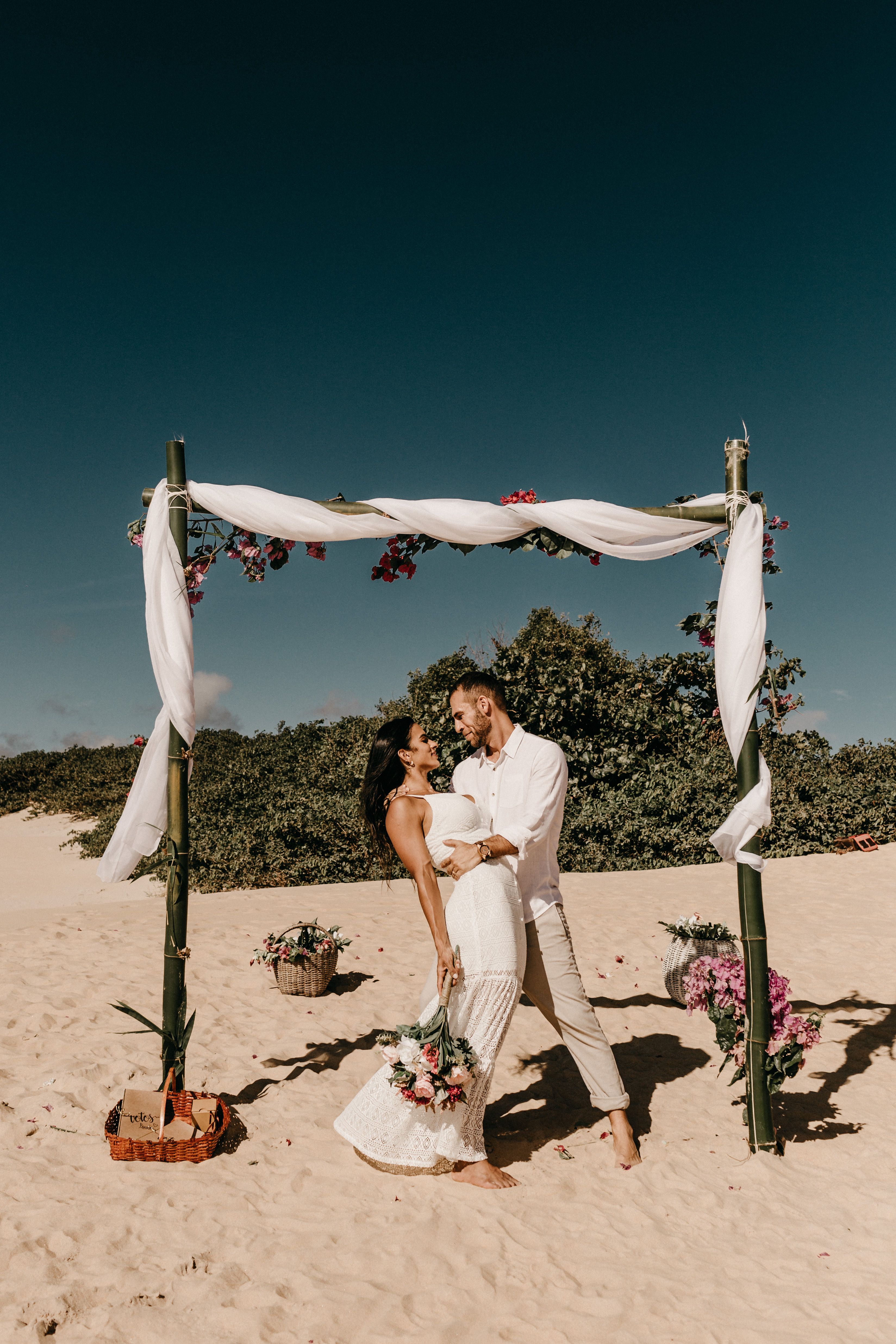
In plain terms: a wedding in Mexico comes down to one distinction. Only the civil ceremony before a Registro Civil officer is legally binding. The beach, the cenote, the hacienda are symbolic. Understanding that already solves half the file.
We live in Playa del Carmen, and every year we help couples say yes right here, between the jungle and the Caribbean.
This guide gathers what we repeat on calls week after week: the paperwork, the real budget, the venues that deliver, the season to avoid. Let’s get into it.
Why get married in Mexico
Three reasons come up in almost every call we take about a wedding in Mexico.
First, the ratio between setting and price. A fifty-guest reception with catering, live music and a sunset over the sea costs here what a windowless hall would cost in Europe or the U.S.
Second, the format. Your guests don’t come for an evening, they come for a week. The wedding turns into a shared trip, and that is usually what couples remember most.
Third, the range of backdrops. Caribbean beach, cenote, colonial hacienda, tropical garden, stone terrace facing the mountains — all of it sits within a three-hour domestic flight.
Where we stand: Mexico is an easy country to marry in, provided you separate two workstreams cleanly: the paperwork, which you run like a procedure, and the day itself, which you run like a group trip. Couples who blend the two lose time and money.
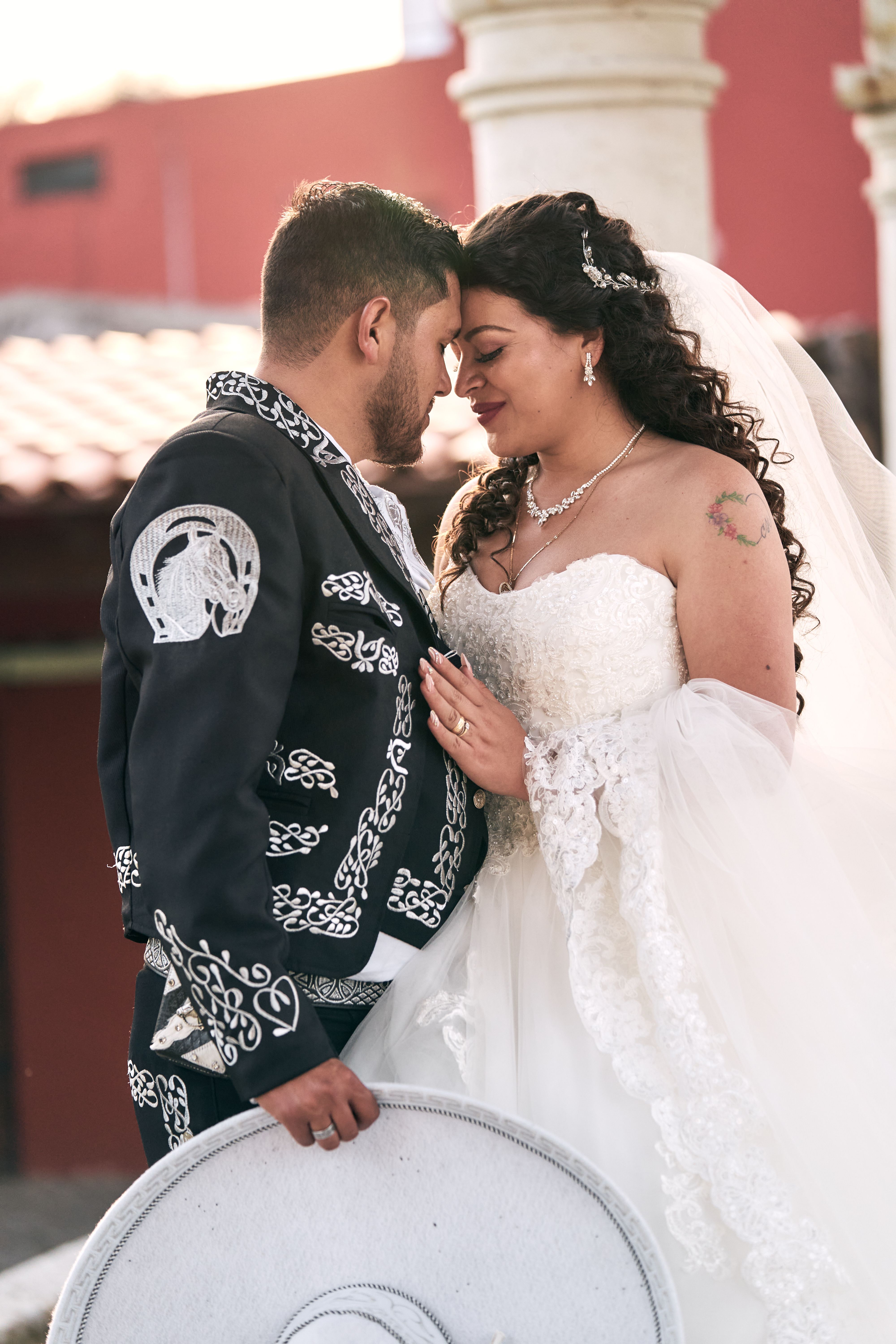
Civil, symbolic or religious: what actually counts
This is the starting point of any wedding in Mexico, and the source of most confusion.
The civil ceremony, the only legally binding one
It takes place before a juez or an officer of the state’s Registro Civil. That ceremony, and only that one, produces the acta de matrimonio — the document every agency back home will ask for.
In most states the ceremony happens inside the Registro Civil offices. Sending an officer to an outside venue is possible, but it must be requested far in advance, it costs more, and some municipalities simply refuse.
The symbolic ceremony, the one everyone pictures
No legal weight, total freedom. An English-speaking officiant, a Mayan shaman, a close friend, a sand or lazo ritual, a private beach or a cenote — you write the ceremony from scratch.
It is by far the most common format among international couples, who sign the civil paperwork at home and celebrate in Mexico.
The religious ceremony, a separate track
Church and state have been separate in Mexico since the nineteenth century. A Catholic ceremony is possible in many parishes, but it carries no civil effect. Parishes generally require a canonical file forwarded by your home parish.
| Format | Legal weight | What to plan for |
|---|---|---|
| Civil (Registro Civil) | Yes, in Mexico and recognized abroad | Full apostilled and translated file, witnesses, sometimes a blood test |
| Symbolic | None | Passports only. Complete freedom over venue, officiant and ritual |
| Catholic religious | No civil effect | Canonical file through your home parish, several months of lead time |
The most common combination: Sign the civil marriage at home a few weeks before departure, then hold a symbolic ceremony in Mexico. You keep the administrative simplicity of your own country and total freedom over the setting. Nine out of ten international couples we work with choose this route.
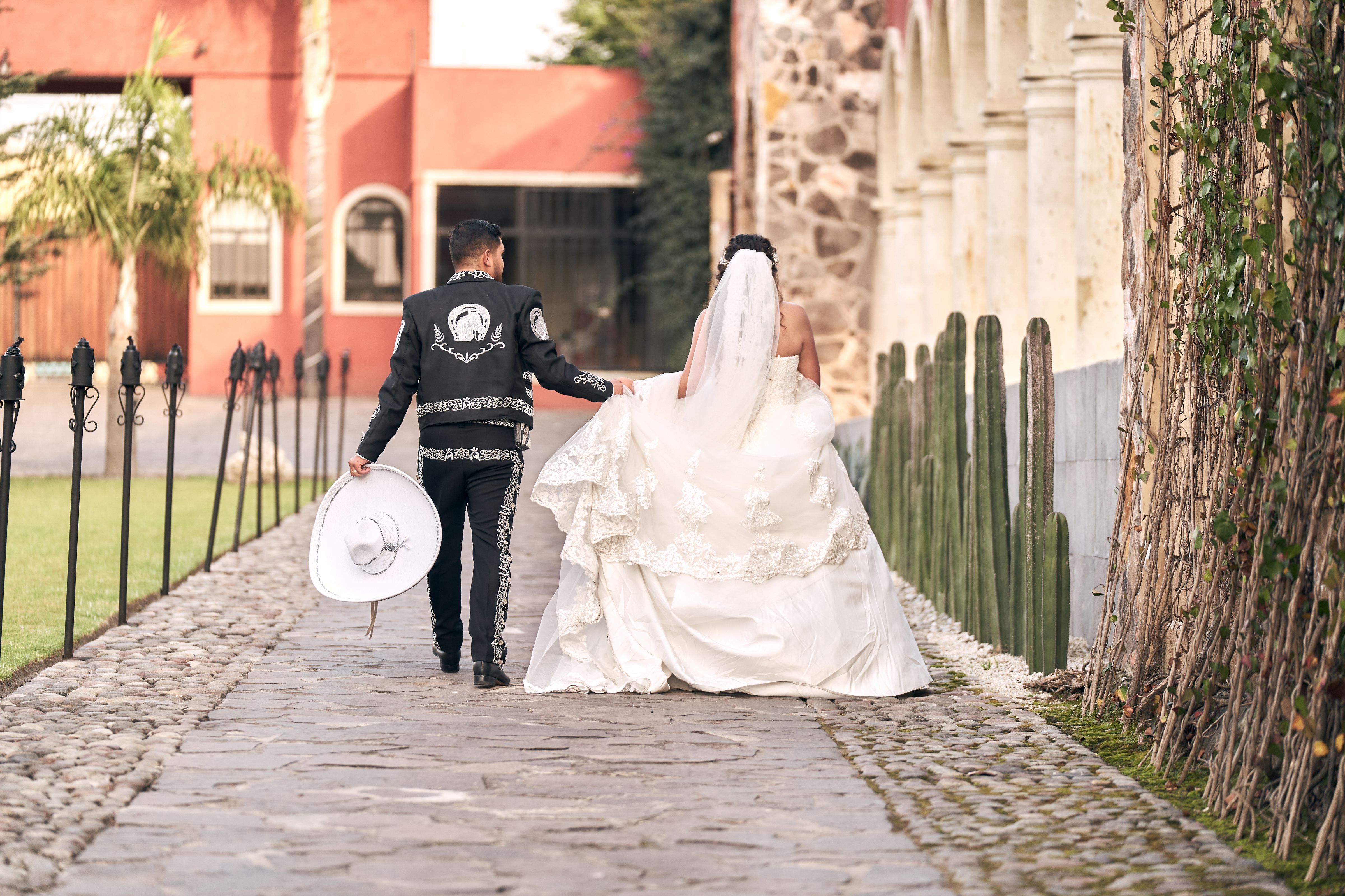
Documents you need to marry in Mexico
If you want the civil ceremony on Mexican soil, here is the common base. Remember one thing above all: requirements are set state by state. Quintana Roo, Yucatán and Jalisco do not ask for the same pieces or the same waiting periods.
| Item | Detail | Lead time |
|---|---|---|
| Passports | Valid for both spouses-to-be | A color copy is often required alongside the original |
| Birth certificates | Apostilled, then translated by a Mexican certified translator | Apostille is issued in your home country. Allow two to six weeks |
| Immigration status | Valid FMM or entry stamp | Some states require a minimum number of days in the country |
| Witnesses | Two to four adults with photo ID | Confirm the exact number with the local Registro Civil |
| Blood test | Required in several states, taken locally | Valid only a few days. Schedule it in the final week |
| Divorce or widowhood | Decree or death certificate, apostilled and translated | A waiting period after divorce applies in some states |
| Certified translations | Done by a perito traductor registered in that state | A translation certified in your home country is often rejected |
Two details get expensive when discovered late. The apostille is issued at home, on your own documents, before you fly. And the translation only counts if it comes from a translator registered with the state where you marry.
Before the wedding file itself, check your entry requirements. We covered them in our article on the formalities for traveling to Mexico.
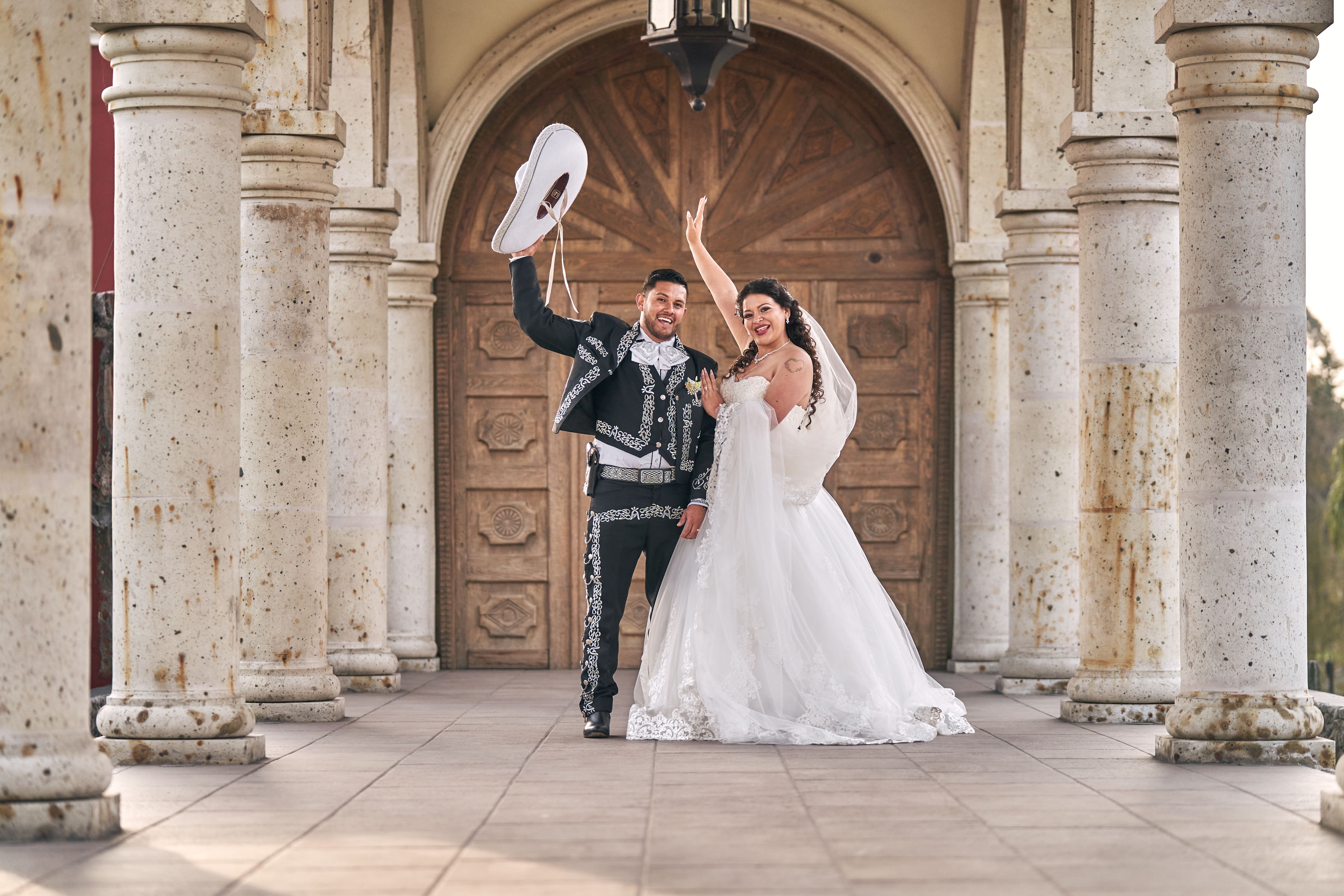
Making the marriage count back home
A Mexican civil marriage is legally valid from the moment it is signed, and U.S. states recognize marriages validly performed abroad. What matters is the evidence package you bring home.
- Certified copies. Ask for at least four originals of the acta de matrimonio on the day itself.
- Apostille. The state government where you married affixes it, under the Hague Convention. Without it, most agencies will not accept the document.
- Certified translation. A full English translation, done by a certified translator, keeps the file usable for insurers, immigration and Social Security.
- Immigration filings. If your spouse is a foreign national, the apostilled acta plus its translation is the core exhibit in a spousal petition.
Requirements differ by state and by agency, so confirm with your county clerk and, for consular questions, with the U.S. Embassy in Mexico before you travel.
Good to know: Request four or more original copies on the day of the ceremony. Ordering them from abroad afterwards takes weeks and costs far more than extra copies picked up on site.
How much does a wedding in Mexico cost?
Few sites will give you numbers. We will, with one honest caveat: these ranges come from real files on the Yucatán peninsula and move with the dollar-peso exchange rate.
| Format | Total budget | Per guest | What it covers |
|---|---|---|---|
| Intimate, 2 to 10 people | $3,500 to $9,000 | — | Officiant, light decor, photographer, private dinner |
| Reception, 30 to 50 guests | $13,000 to $28,000 | about $280 to $450 | Venue, catering, bar, photo and video, music, coordination |
| Large format, 80 to 120 guests | $33,000 to $65,000 | about $330 to $550 | Same, plus exclusive use, staging and heavier logistics |
Two line items surprise everyone. Floral design first: imported flowers cost a fortune, while local tropical foliage is spectacular and far cheaper. Photography second, since Riviera Maya rates now match those in the U.S.
On the other hand, catering, live music and exclusive venue use remain noticeably more affordable than back home.
The all-inclusive package trap: Wedding packages from large resorts advertise very low headline prices. Read the exclusions: capped reception length, capped guest count, a vendor fee for any outside supplier, and a per-extra-guest rate that climbs fast. Always run the math on the total, never on the headline package.
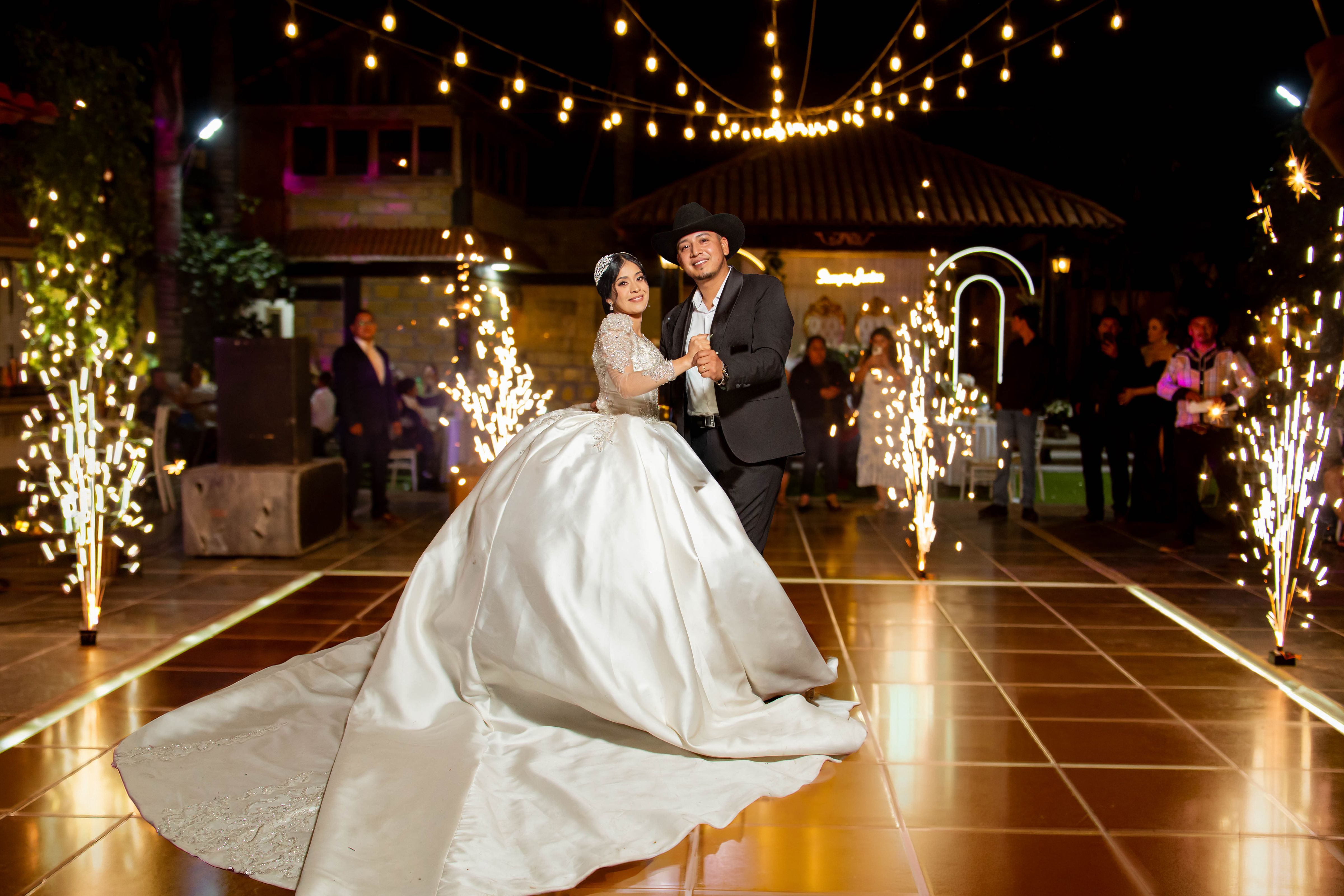
Where to get married: our favorite settings
A wedding in Mexico is not just Cancún. Here are the regions we recommend, and why.
The Riviera Maya, the safe bet
From Puerto Morelos down to Tulum, this is the best-equipped stretch in the country: an international airport in Cancún, resorts used to weddings, plenty of vendors, easy transfers.
It is also the busiest. For more intimacy we usually steer couples toward Puerto Morelos or south of Akumal rather than the Cancún hotel zone. For the rest of the stay, our guide to the 16 must-sees of the Riviera Maya is what most guest itineraries are built on.
Tulum, style above all
Raw wood, macramé, jungle. Tulum delivers instantly recognizable photos. In exchange, it carries the highest rates on the coast and the access road jams in high season.
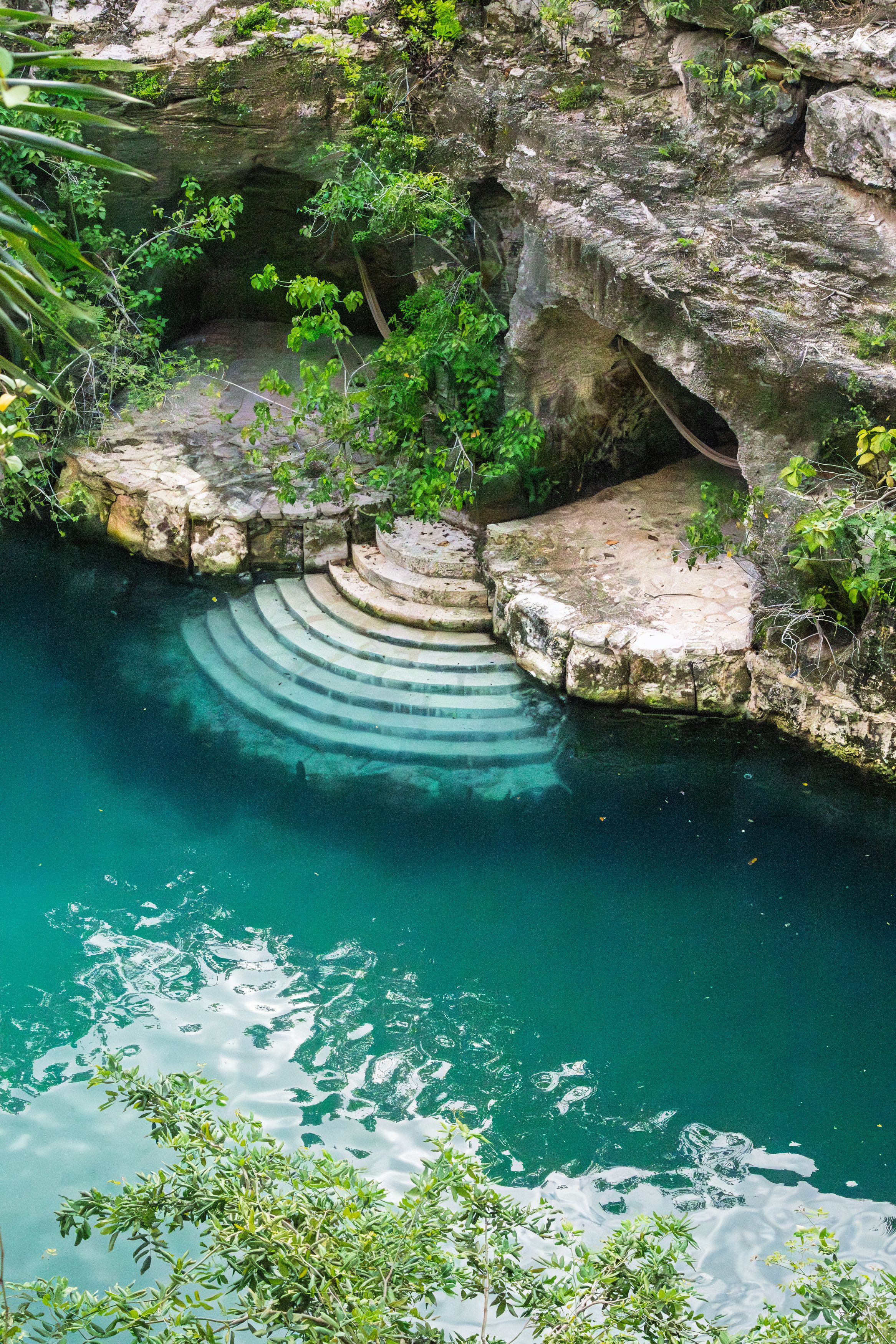
A private cenote, the strongest backdrop
Nothing looks like a cenote. Vertical light, turquoise water, silence. It is our pick for a small symbolic ceremony, or for a day-after photo session.
The constraints are real: limited capacity, stair access, no sunscreen or cosmetics in the water, rarely any electricity. We break down the sites in our guide to the best cenotes in the Riviera Maya.
Yucatán haciendas, colonial elegance
Around Mérida and Valladolid, former sisal estates have been restored into private domains. Ochre walls, arcades, century-old gardens, capacity from 40 to 150 people.
This is our favorite for mid-size weddings. The interior runs hotter than the coast, so we schedule the ceremony late in the afternoon.
Isla Mujeres, Holbox and Bacalar, for small groups
Three very different moods, one thing in common: intimacy. If you are torn, we compared two of them in our article on Holbox versus Bacalar. Mind the logistics: ferries, luggage, schedules. It needs planning.
San Miguel de Allende and colonial Mexico
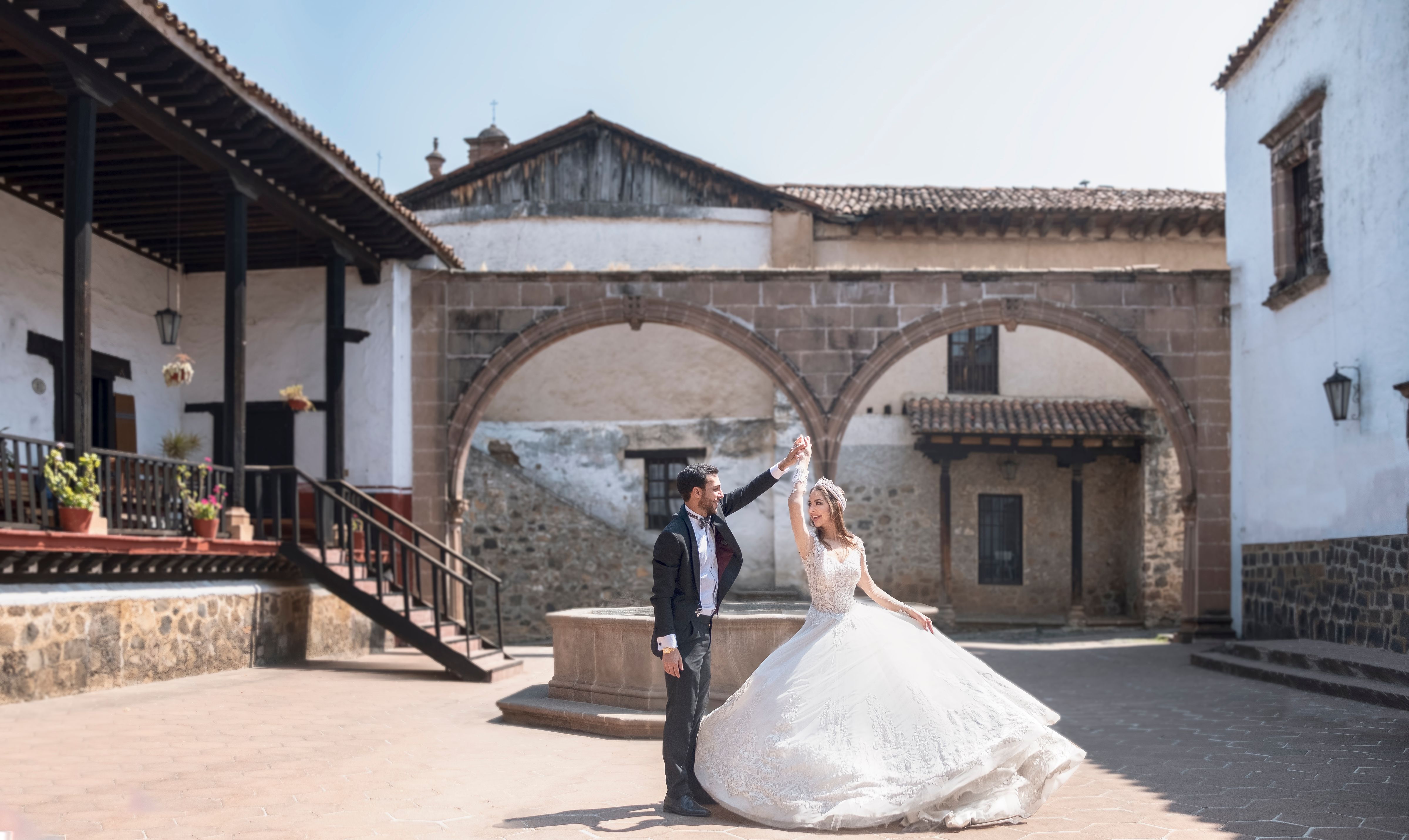
Cobblestone streets, colored facades, high-altitude light, cool nights. A rare choice, and one of the most photogenic in the country. Plan a domestic flight and two days to acclimate.
The Pacific: Sayulita, Puerto Vallarta, Los Cabos
Sunsets over the ocean, surf-town or luxury depending on the city, and a rainy season that runs on a different calendar from the Caribbean. A solid plan B if your dates fall in summer.
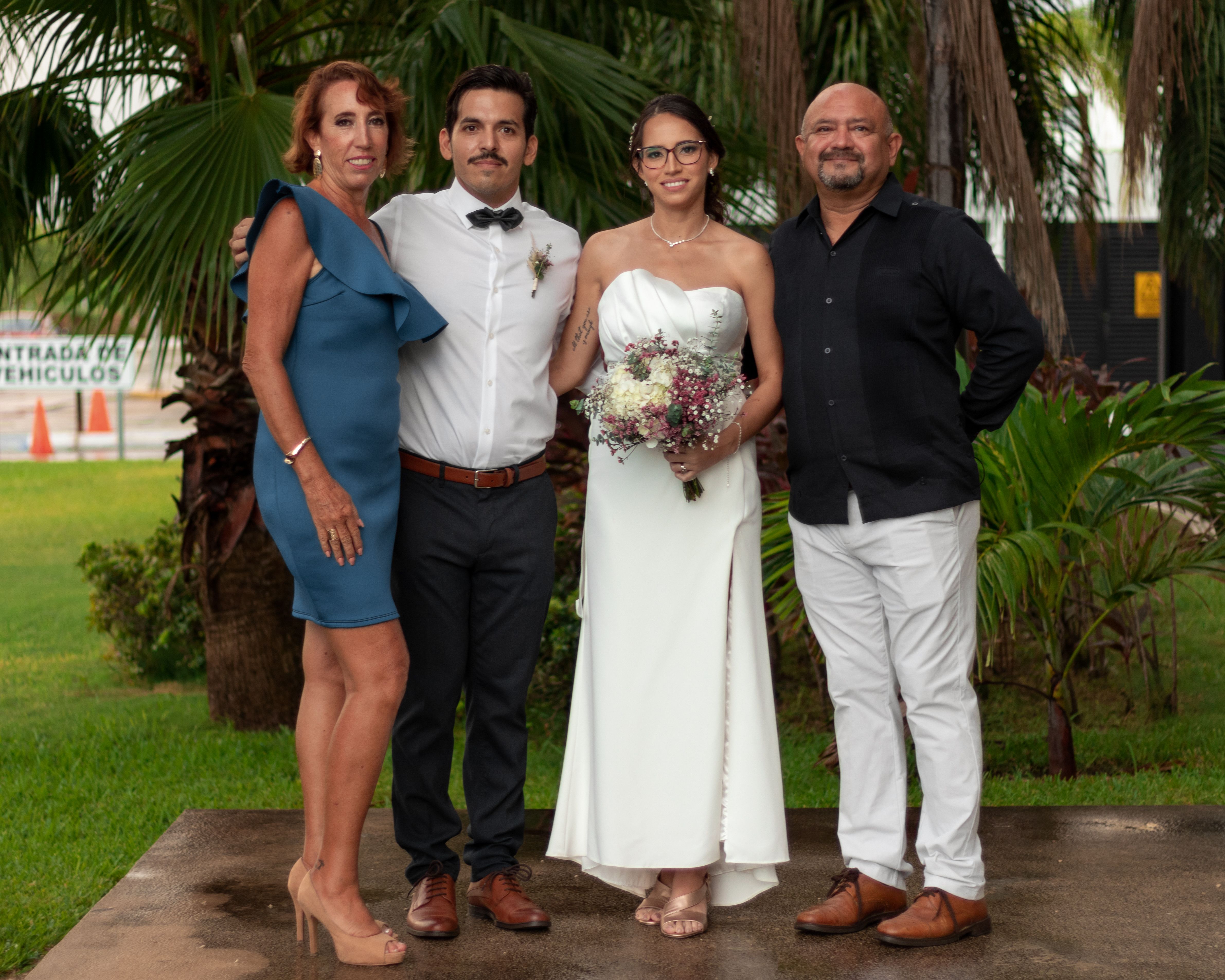
When is the best time?
For a wedding in Mexico, the short answer is November through May. The useful answer is in the table below.
| Window | Weather | Our take |
|---|---|---|
| November to February | Dry season, 79 to 86 °F, mild evenings | The best window. Book twelve months out, everything goes fast |
| March and April | Dry, warm, clear water | Excellent too. Avoid Semana Santa, peak prices and crowds |
| May | Very hot and humid, first rains | Workable for a late-day ceremony, rough in full sun |
| June to October | Rainy and hurricane season, peaking in September | Not advised on the Caribbean side. The Pacific stays an option |
Two factors sit on top of the weather. Sargassum, the seaweed that reaches the Caribbean coast mostly from April to August — we explain the real picture in our article on swimming despite the sargassum. And the price peaks around Christmas, New Year and Semana Santa, when resorts impose minimum-night stays.
For a full month-by-month view, we wrote a dedicated guide: the best season to visit Mexico.
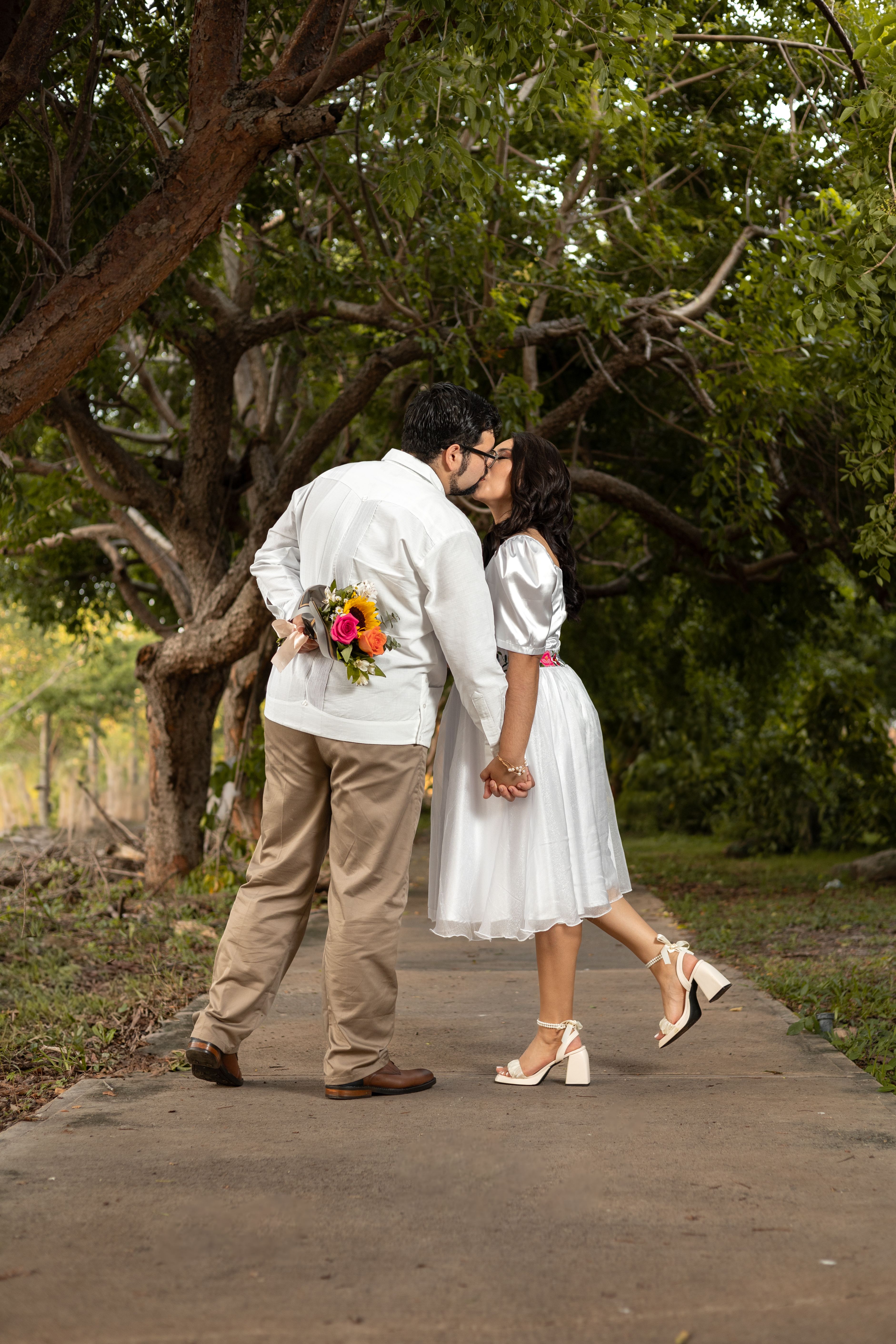
Your wedding in Mexico timeline, from 18 months out to the big day
This is the framework we use with couples. It assumes a 40 to 60 guest reception. For an intimate ceremony you can compress it to six months.
- 18 to 12 months out. Pick the region and the format. Scout the venue in person or virtually. Lock the date and pay the deposit.
- 12 to 9 months out. Send the save-the-date, pre-block guest rooms, choose the photographer and the caterer.
- 9 to 6 months out. Open the paperwork file: apostilles at home, first contact with the local Registro Civil, translations.
- 6 to 4 months out. Menu tasting or sign-off, staging, music, flights and transfers booked.
- 4 to 2 months out. Confirm witnesses, finalize the legal file, write the rain plan into the contract.
- 1 month out. Seating chart, minute-by-minute timeline, guest briefing, excursions booked for the week.
- 7 days out. Arrival on site, blood test if the state requires it, rehearsal, final walk-through with the coordinator.
The rule we always repeat: Paperwork always takes longer than decor. Start the apostilles in month nine, even if nothing else is settled. That single habit is what tips a wedding toward calm instead of stress.
Housing, moving and entertaining your guests
This is the part of a wedding in Mexico we handle most often, and the one couples underestimate most.
Flights and lodging
Block a room quota as soon as the date is set: Riviera Maya resorts sell out a year ahead on high-season weekends. For a tight-knit group, a private villa often costs less than a block of rooms.
Transfers and getting around
We arrange private airport transfers, shuttles between the hotel and the ceremony venue, and the late-night return — the leg couples forget most often.
If your guests want to move on their own, two resources: our car rental advice for the Riviera Maya and our guide to getting around Mexico. We also handle car rental directly, with the insurance verified and airport pickup arranged.
Activities around the wedding
A wedding in Mexico means a full week to fill. We run group or private excursions, departing from your hotel or meeting you on the road for guests on a road trip: cenotes, Chichén Itzá, a boat day to Isla Mujeres, a deep-sea fishing outing. Private boat charter works beautifully for the day after the wedding.
For the rehearsal dinner or the morning-after brunch, our private chef service saves you from filling a restaurant with forty people. The chef comes to the villa and the menu is built with you.
And if your guests extend their stay, our one week in the Riviera Maya itinerary gives them a ready-made base.
The small things that matter
Send your guests three links before departure: what to pack for Mexico, how tipping works and the safety question. It saves you thirty messages the night before the flight.
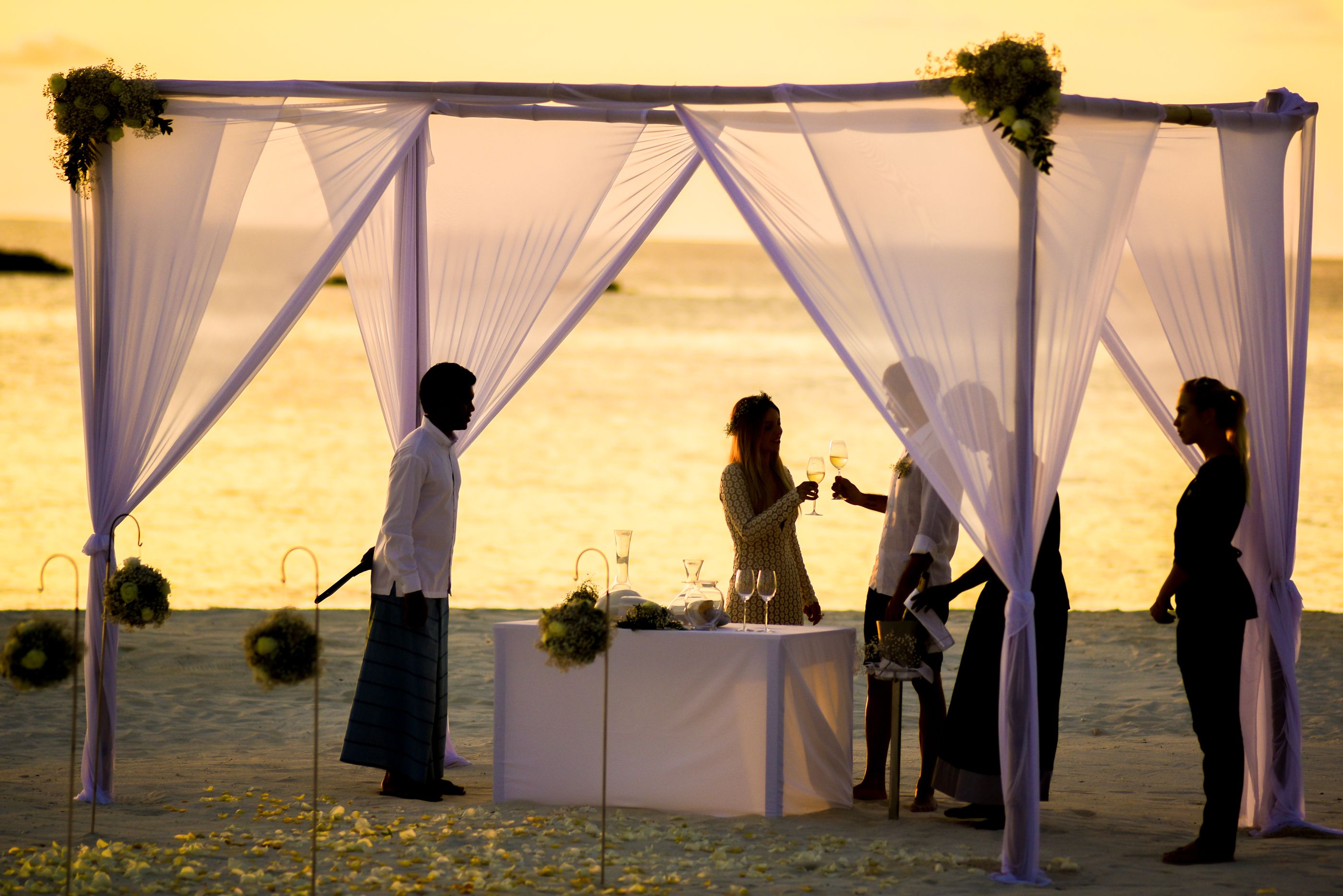
Planning a wedding in Mexico?
We coordinate vendors, transfers, excursions, car and boat rental and the private chef. Let’s talk through your project, no strings attached.
Vendors: what we check before we recommend
Mexico has excellent wedding professionals. It also has deposits wired to accounts that stop replying. Here is our checklist.
- A written contract in Spanish or English, with the date, timing, headcount and cancellation terms spelled out.
- An official invoice with a Mexican RFC. A vendor who refuses to invoice is a vendor who does not exist administratively.
- A reasonable deposit, 30 to 50 percent. Above that, negotiate or walk.
- Traceable payment, never fully in cash, never to a personal account abroad.
- A written rain plan, with the backup location named in the contract.
- A coordinator physically present on the day, separate from the manager who sold you the package.
- Permits for public beaches, music after 10 p.m. and drones. We covered the rules in our article on using a drone in Mexico.
One last point: ask for a bilingual officiant or MC if some of your guests speak neither Spanish nor English. It changes how the whole day feels.
Our on-the-ground tips for a wedding in Mexico
- Schedule the ceremony between 4:30 and 5:30 p.m. The heat drops, the light goes golden, and sunset lands during cocktail hour.
- Choose a dress that breathes. Caribbean humidity often runs above 80 percent. Heavy fabrics and long trains on sand cost you dearly.
- Waterproof makeup, for everyone, witnesses included.
- Carry cash in pesos for day-of tips. Many crews are not paid by card.
- Check who controls the beach. A public beach needs a municipal permit; a resort beach imposes its own vendors.
- For a cenote, reef-safe sunscreen is mandatory, and often no cosmetics at all in the water. We explain the rules in our article on sunscreen in Mexico.
- Look up local healthcare before the group lands. Our article on medical support in Mexico covers the essentials.
- Keep one buffer day between guest arrivals and the wedding. Long-haul flights slip, and so does luggage.
The mistakes we see most often
- Assuming the beach ceremony is legal. Mistake number one, and the one discovered once everyone is home.
- Starting paperwork three months out. Between apostille, translation and scheduling, it does not fit.
- Booking September to save money. That is peak hurricane season. The savings are paid for in uncertainty.
- Forgetting the apostille on the Mexican certificate. Without it, most agencies at home will not accept the marriage.
- Signing a resort package without reading the exclusions. Vendor fees and capped reception hours often double the real cost.
- Managing forty guests remotely with no coordinator. It holds until the first hiccup, and there is always one.
- Ignoring the time zone. Quintana Roo and Yucatán are one hour apart. Guests coming from Mérida arrive late without understanding why.
Frequently asked questions about weddings in Mexico
Is a wedding in Mexico legally valid for U.S. citizens?
Yes. A civil ceremony performed by a Registro Civil officer is a legally binding marriage, and U.S. states recognize marriages validly performed abroad. Request several certified copies of the acta de matrimonio, have it apostilled, and keep a certified translation on file.
Is a beach ceremony legally binding?
No, unless a civil registry officer travels to the site, which is rare and negotiated case by case. In most cases the beach ceremony is symbolic. The civil paperwork is signed separately, usually that morning or the day before.
How much does a wedding in Mexico cost?
Roughly $3,500 to $9,000 for an intimate ceremony of two to ten people. Between $13,000 and $28,000 for 30 to 50 guests. Above 80 guests, plan on $33,000 to $65,000 depending on the venue and service level. These ranges exclude your guests’ airfare.
What documents do you need to get married in Mexico?
Valid passports, apostilled birth certificates translated by a Mexican certified translator, valid immigration status, two to four adult witnesses with photo ID, and in several states a blood test performed locally. Previously divorced or widowed applicants add the decree or death certificate, apostilled and translated.
When is the best time to get married in Mexico?
November through May, during the dry season. November, December, March and April strike the best balance between weather, temperature and light. Avoid June to October, which is the rainy and hurricane season.
Do you need a wedding planner on the ground?
Above roughly thirty guests, yes. Distances, language, contract customs and local permits make remote coordination fragile. Someone physically present on the day prevents most of the bad surprises.
How far ahead should you start planning?
Twelve to eighteen months for 40 guests or more. Six months is enough for an intimate ceremony if paperwork starts in month one. Under three months, only a symbolic ceremony is realistic.
Can you get married in a cenote?
Yes, as a symbolic ceremony. Several private cenotes in the Riviera Maya and the Yucatán can be booked exclusively for a small group. Expect real constraints: limited capacity, stair access, a ban on sunscreen and cosmetics in the water, and often no electricity on site.
Is a Catholic ceremony legally recognized in Mexico?
Not civilly. Church and state have been separate in Mexico since the nineteenth century. A religious ceremony is possible in many parishes, but it never replaces the Registro Civil.
What paperwork do you handle after the wedding?
Collect several original copies of the acta de matrimonio, have the state government apostille it, then obtain a certified English translation. That package is what U.S. agencies, immigration services and insurers will ask for.
Let’s plan your wedding in Mexico together
Travel planning, vendor coordination, transfers, group or private excursions, car and boat rental, private chef and on-site concierge. We handle the logistics so you can enjoy the day.