


Can we swim despite the sargassum in Mexico?
Sargassum in Mexico: Can You Still Swim? Updated Guide
Short answer: yes, you can swim despite the sargassum in Mexico. In most cases the seaweed affects how the beach looks far more than it affects the swimming. The real question is which beach to pick, on which day, and what to do when the water is loaded.
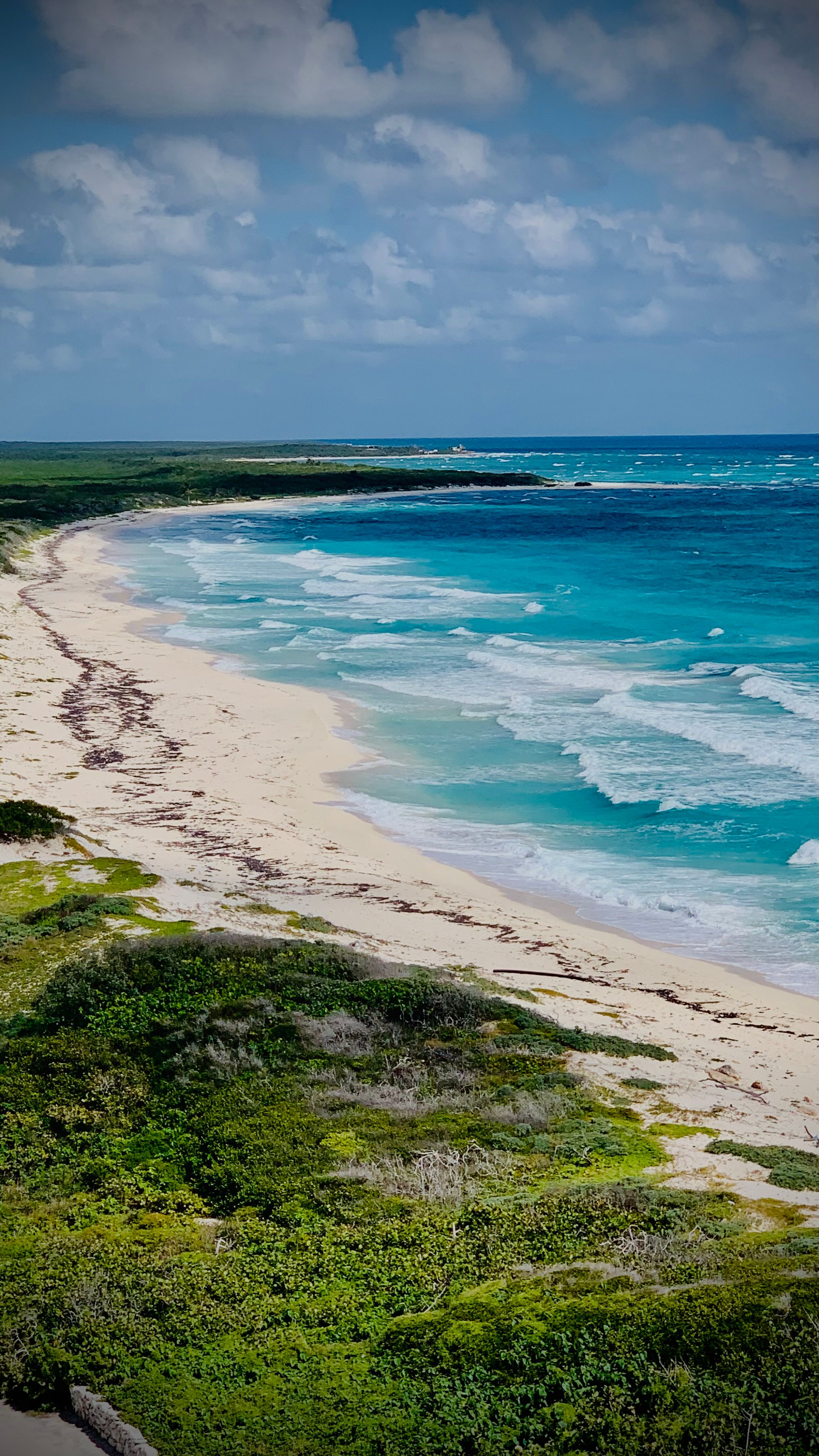
Sargassum has become the number one question our travelers ask before flying to the Riviera Maya. And that makes sense: the photos going around online look alarming.
We live and work here, in Playa del Carmen. We see these beaches every week, on their good days and their bad ones. Here is what we actually tell our clients. Let’s get into it.
The short answer: yes, and here’s why
Yes, you can swim despite the sargassum in Mexico. There is no general ban, and beaches stay open even during heavy landings.
What the seaweed changes is comfort. Loaded water turns murky and slightly slimy, and you walk to the shoreline across a brown mat. It isn’t pleasant, but it isn’t dangerous either.
The real trap is assuming the whole coastline is affected at once. On the ground, two beaches two miles apart can look completely different on the same morning.
Our take: sargassum is not a reason to cancel a trip to Mexico. It is a reason to build a flexible trip with alternatives planned in advance. That is exactly what we work on with our travelers.
What sargassum actually is
Sargassum is a floating brown seaweed from the Sargassum genus. Locally it’s called sargazo, a word you’ll hear everywhere once you land.
It doesn’t grow on the seabed. It drifts in open water, held up by gas-filled bladders, forming rafts that can stretch for miles.
Out at sea it plays a useful role. Juvenile fish, crabs and sea turtles shelter and feed in it. The problem only starts when it washes ashore in bulk.
Where it comes from
It originates in the tropical Atlantic, between West Africa and Brazil. Currents and easterly winds push it toward the Caribbean, then onto the Quintana Roo coastline.
The phenomenon has always existed, but its scale increased sharply from the early 2010s onward. Researchers point mainly to excess nutrients flowing into the Atlantic and warmer surface waters.
Why it smells
Once on the sand, the seaweed decomposes quickly in the heat. It releases hydrogen sulfide, which produces that distinctive rotten-egg smell.
A beach raked every morning barely smells at all. A beach left untouched for three days is a different story.
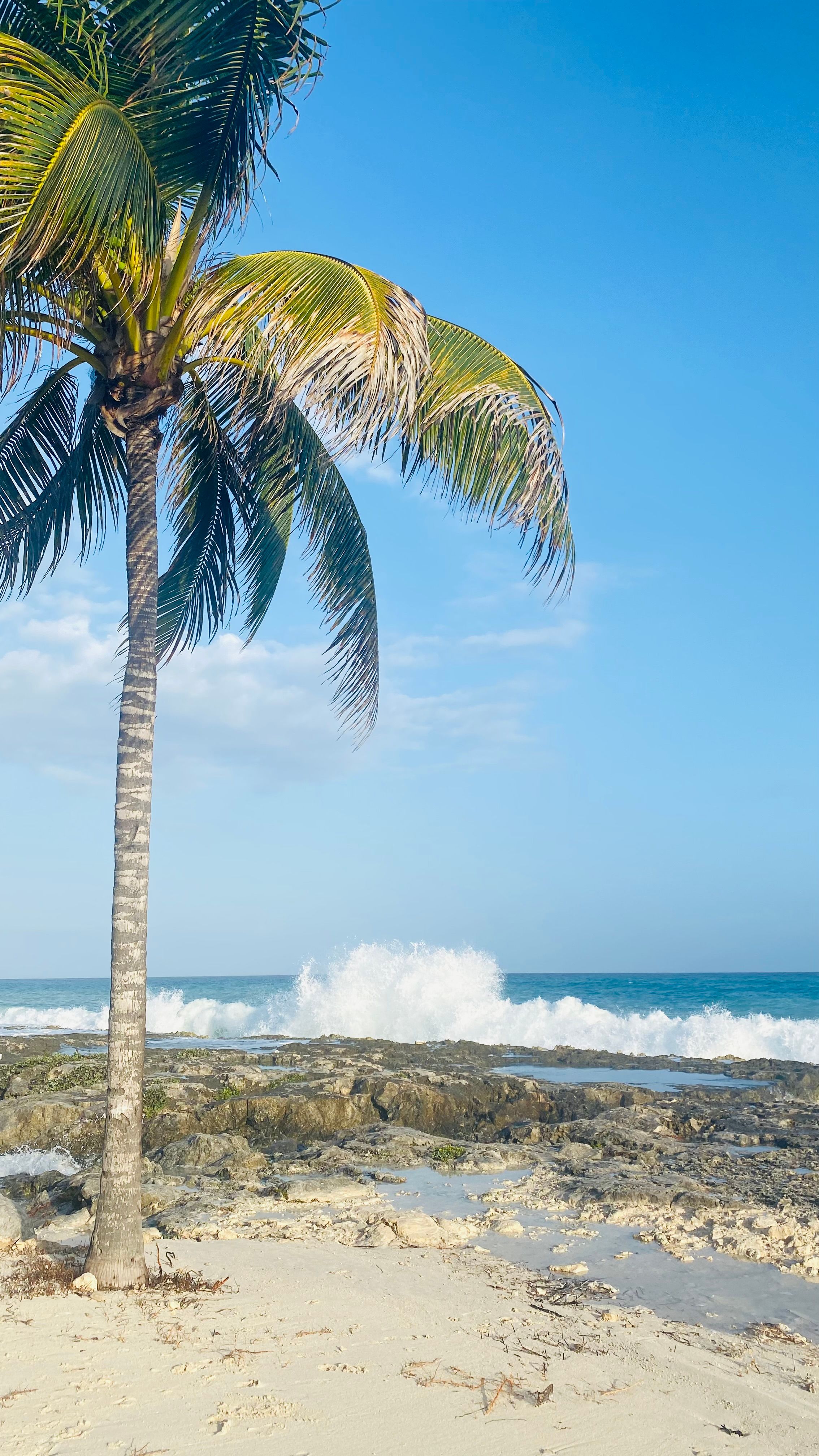
Is it dangerous to swim in sargassum?
No. The seaweed itself is neither toxic nor stinging. Swimming in fresh sargassum poses no particular risk for a healthy person.
Three points still deserve your attention, and all three are easy to manage.
- Micro-organisms attached to the seaweed. Tiny jellyfish larvae or small crustaceans can hide in it and cause itching. A shower on the way out solves it in almost every case.
- Decomposition gases. On an older, thick landing, the smell can irritate the airways of people with asthma or young children. Simply avoid settling in downwind of a rotting pile.
- Reduced visibility. Loaded water hides the bottom, rocks and sea urchins. Water shoes are a smart move, especially with kids.
If you’re traveling with a baby or a toddler, our guide on what to plan for when traveling with a baby to Mexico covers beach-by-beach precautions. And for anything health related on site, we broke it down in what medical support looks like in Mexico.
Sargassum season month by month
The phenomenon is seasonal, but it runs on nothing like a clock. Volumes shift every year depending on winds, currents and water temperature.
Here are the trends we’ve observed on the Caribbean coast in recent years. Read them as probabilities, not guarantees.
| Period | Observed trend | Level | Our advice |
|---|---|---|---|
| December to February | Beaches generally clear, water bright | Low | The best window for a beach-focused trip |
| March | First rafts offshore, occasional landings | Moderate | Still very comfortable, check the week before you fly |
| April to June | Ramping up, frequent peaks | Elevated | Favor the islands and plan cenote days |
| July to August | Historically the heaviest stretch | High | Flexible trip, well-placed hotel, alternatives ready |
| September to October | Gradual decline, highly uneven conditions | Variable | Check beach by beach, the gaps are huge |
| November | Calm returns along most of the coastline | Low | Excellent balance of weather, price and beaches |
This calendar is an average. Some years stay calm through June, others see early arrivals as soon as March. To line your dates up with everything else, weather and crowds included, we covered it all in the best season to travel to Mexico.

Which Mexican coasts are affected
Here’s the point almost nobody makes loudly enough: only one side of the country is involved. Mexico has more than 7,000 miles of coastline, and sargassum touches a small fraction of it.
| Coastline | Destinations | Exposure |
|---|---|---|
| Caribbean, east coast | Cancun, Playa del Carmen, Tulum, Puerto Morelos, Mahahual | Exposed, seasonal landings |
| Islands and sheltered shores | Isla Mujeres west side, Cozumel lagoon side, Holbox, Isla Contoy | Protected by orientation |
| Gulf of Mexico | Progreso, Chelem, Celestun, Campeche | Not affected |
| Pacific coast | Puerto Escondido, Huatulco, Puerto Vallarta, Los Cabos | Not affected |
Within the Riviera Maya itself, the differences stay wide. Closed bays and stretches sheltered by the reef take on far less seaweed than long beaches facing due east.
If you plan to move around during your stay, our guide on getting around Mexico compares the options, and our car rental advice for the Riviera Maya saves you the surprises at the counter.
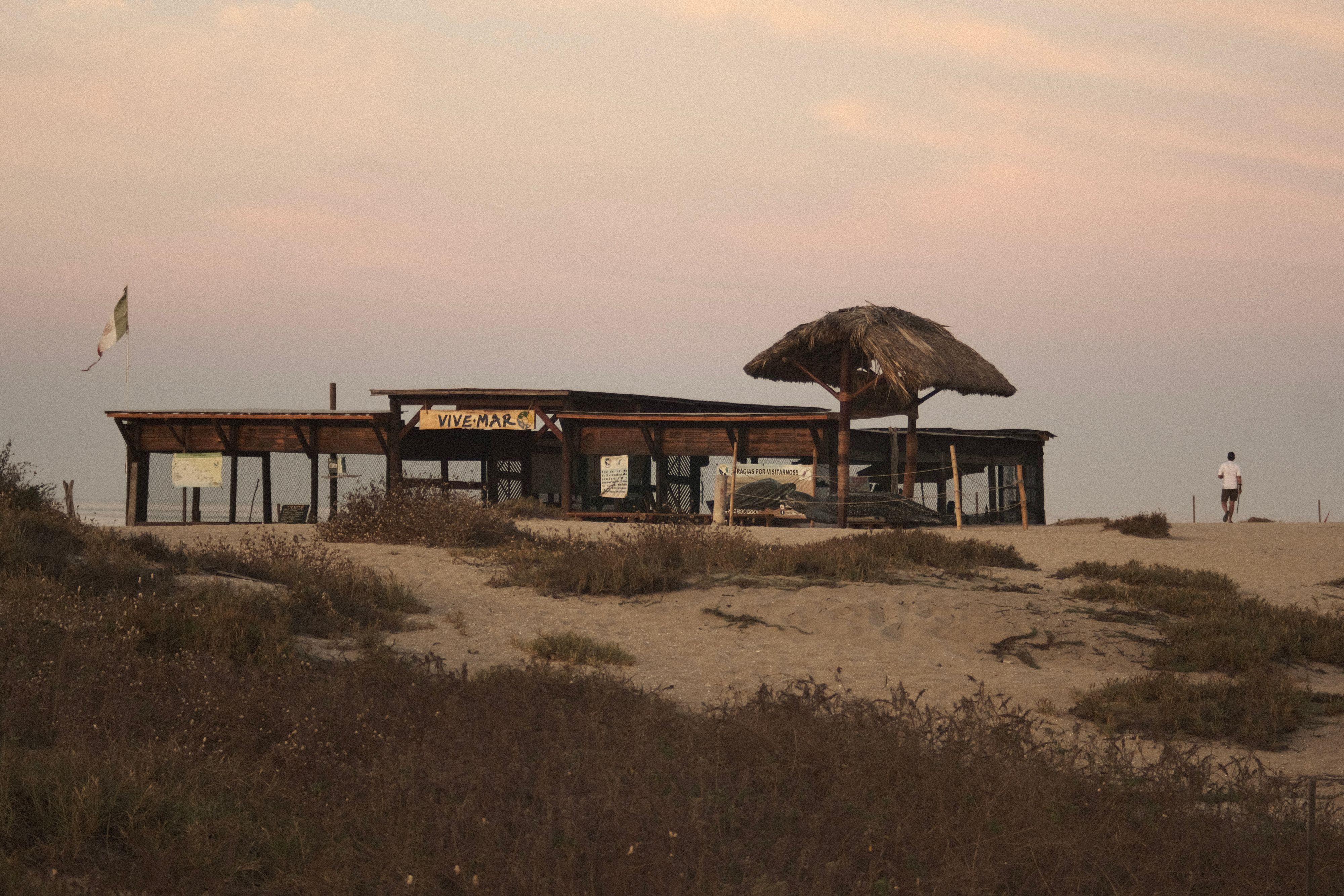
8 beaches to swim without sargassum
These are our safe bets when the coast is loaded. None is guaranteed 100 percent, but all of them do far better than average.
1. Isla Mujeres, Playa Norte side
The beach faces west, sheltered from the Atlantic currents. It’s the most reliable escape in the region, a 30-minute ferry from Cancun.
The water stays shallow for dozens of yards, which is ideal with kids. Aim to arrive early, since the beach fills up by late morning.
2. Cozumel, lagoon side
The island’s west coast, facing the mainland, stays clear most of the year. It’s also the launch point for snorkeling and diving on the world’s second-largest reef system.
The island’s east side, on the other hand, takes the seaweed head-on. Picking the right side makes all the difference.
3. Holbox
The island sits north of the peninsula, on the Gulf of Mexico. Sargassum almost never reaches it.
White sand, shallow turquoise water, no cars. We compare it to its main rival in Holbox or Bacalar: which one to choose.
4. Isla Contoy
A protected nature reserve, reachable only on a guided excursion with a capped number of daily visitors. Untouched beaches, clear water, very little seaweed.
The trip usually pairs with snorkeling on the Ixlache reef. One of the best days out in the region.
5. Puerto Morelos
The reef sits barely a third of a mile offshore and acts as a natural barrier. The village keeps a calm feel, well away from the buzz of Playa del Carmen.
6. Bacalar
Not the ocean, but a freshwater lagoon with seven shades of blue. Zero sargassum, by definition.
Count about three hours by road from Playa del Carmen. A two-night escape there is well worth the drive.
7. The cenotes of the Riviera Maya
More than 7,000 natural freshwater sinkholes, at a steady temperature and often shaded. It’s the simplest answer to a loaded beach.
We picked the best ones in our guide to which cenotes to visit in the Riviera Maya.
8. The Pacific coast and the Gulf
Puerto Escondido, Huatulco, Puerto Vallarta, Los Cabos, Progreso, Celestun. None of these destinations is affected by the phenomenon.
A road trip combining the Yucatan and the Pacific is still one of the best workarounds if you travel in peak season.
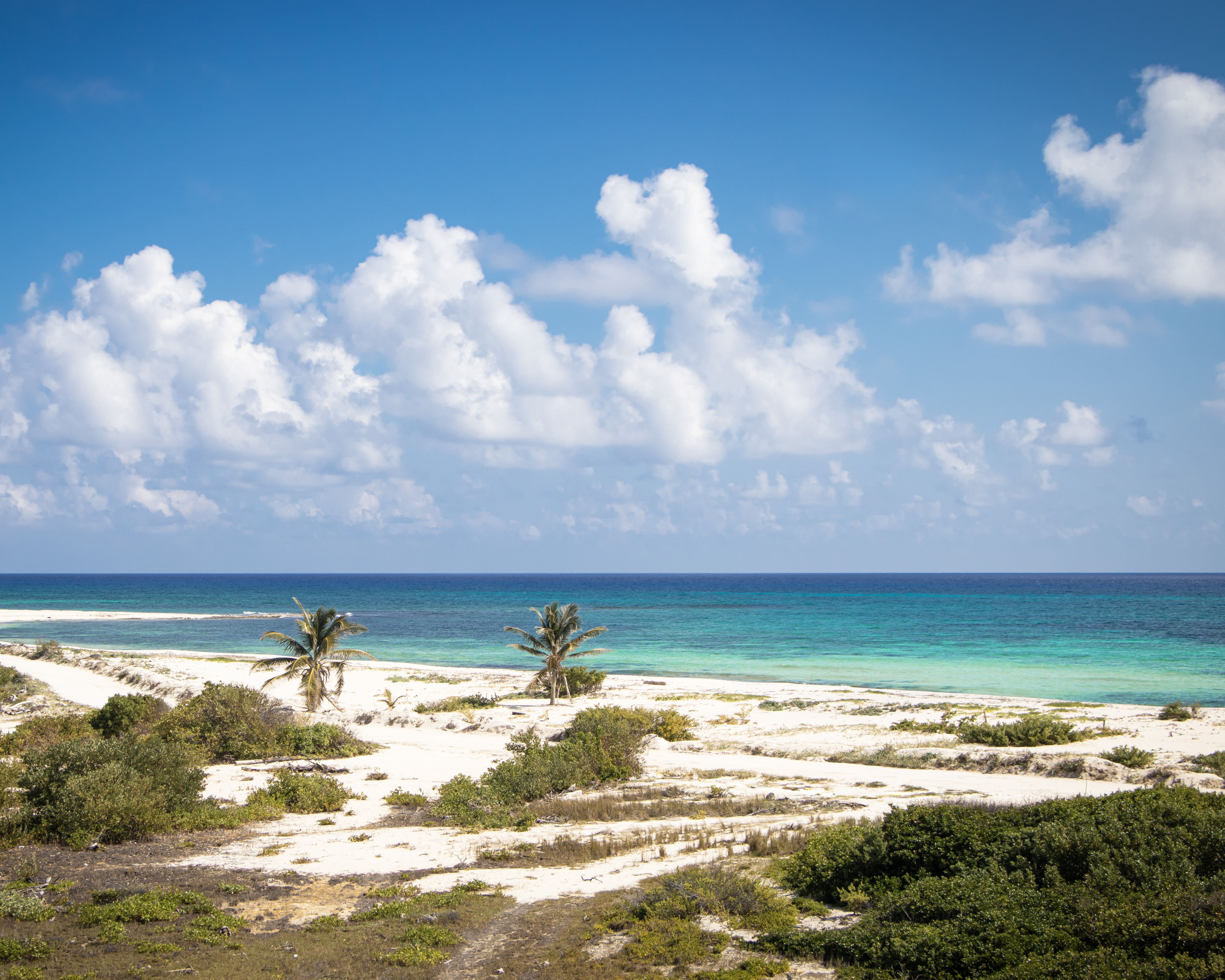
Our excursions: Isla Mujeres, Cozumel, Holbox, Isla Contoy and the cenotes all feature in our English-speaking excursions in Mexico, in group or private format, with hotel pickup or a direct meeting point if you’re on a road trip.
How to check beach conditions before you go
No single source gives a perfect picture. Cross two or three of them and you’ll get a reliable read to within a few days.
- The Quintana Roo semaforo. The state ecology department publishes a regular beach-by-beach status in Spanish. This is the official source.
- Local sargazo monitoring networks. Community groups post dated photos, beach by beach, often several times a week. This is the freshest data available.
- Satellite sargassum tracking maps. They show the rafts offshore and let you anticipate an arrival five to seven days out.
- Hotel and beach club webcams. Imperfect but instant, they give you an immediate read on the sand.
- Your hotel, directly. A message a week before arrival often gets you an honest answer and a photo from that morning.
Good to know: our travelers receive our situation report in the week before departure, with the beaches to favor based on their dates and where they’re staying. It’s included in our service, at no extra cost.
Swimming with sargassum: our precautions
Water is loaded and you still want to get in? No problem. Here’s what we do ourselves.
- Swim in the morning. Cleaning crews work at dawn on most beaches, and the wind usually picks up in the afternoon.
- Look for the gaps. Seaweed rarely arrives evenly. Walk 200 yards and the picture often changes completely.
- Spot the floating barriers. Many hotels install them offshore. Swim on the beach side, where the water is noticeably clearer.
- Rinse off when you get out. A freshwater shower removes the micro-organisms clinging to skin and swimwear.
- Pack water shoes. The bottom disappears as soon as the water loads up. Our guide on what to pack for Mexico covers the rest of the kit.
- Bring reef-safe sunscreen. It’s mandatory in cenotes and nature parks. We explain the rules in how to protect yourself from the sun in Mexico.
Plan B when the water is loaded
A compromised beach day isn’t a wasted day. This region is one of the richest in Mexico for things to do.
- A cenote day. Crystal-clear freshwater, shade, cool air. The most effective workaround, and often the best memory of the trip.
- A Mayan site. Tulum on the coast, Coba in the jungle, or Chichen Itza for a full day out.
- A boat trip offshore. Seaweed rafts are easy to steer around at sea. Reef snorkeling, beaches you can only reach by boat, sunset at anchor.
- A fishing session. We mapped the best spots in the best fishing spots in Mexico’s Riviera Maya.
- Valladolid or Merida. Colonial towns, Yucatecan food, cenotes right downtown. Perfect for a day away from the ocean.
- A wellness break. Temazcal, yoga, retreats. We cover it in spiritual retreats in Mexico.
To build a week that balances ocean, cenotes and culture, our itinerary for one week in the Riviera Maya gives you a ready-to-use framework. And to go further, here are the 16 must-sees of the Riviera Maya.
Choosing a hotel during sargassum season
Where you stay matters more than when you fly. Two neighboring hotels can deliver completely different experiences on the same day.
Questions to ask before booking
- Does a crew clean the beach every morning? This is criterion number one. Serious properties do it, and you can see it at 7 a.m.
- Is there a floating barrier offshore? It sharply reduces what lands on that stretch of sand.
- Is the beach sheltered by the reef or a rocky point? Orientation counts for more than the hotel’s star rating.
- Are there pools and easy access to cenotes? Plan B should be within reach, not two hours away.
How we work
We never recommend a property without checking how exposed it actually is. That work is part of our travel coach service, along with the best available rates on flights and accommodation.
Before you book, also look at the formalities for traveling to Mexico. And if safety is on your mind, we answer that head-on in is it dangerous to travel to Mexico.
How we support you on the ground
Sargassum mostly calls for flexibility. That’s exactly what local support gives you: the ability to change plans the night before.
- Group or private excursionsIsla Mujeres, Cozumel, Holbox, Contoy, cenotes, Mayan sites. Hotel pickup, or a direct meeting point on site if you’re road-tripping. See our excursions
- Car rentalSo you can move from one beach to another depending on conditions. Vetted partners, clear insurance, child seat on request. Our concierge service
- Boat rentalHalf a day offshore sidesteps the problem entirely and transforms the day. Snorkeling, hidden beaches, sunset cruises.
- Private transfersCancun airport, Tulum, hotel to hotel. English-speaking driver, air-conditioned vehicle, timing matched to your flight.
- Private chefA Mexican dinner cooked at your place or in your villa. The perfect move when the beach isn’t cooperating.
- Travel coachChoosing dates, towns and accommodation based on sargassum exposure, before you even book. Learn more
We also handle the moments that matter: weddings in Mexico, milestone birthdays, bachelorette and bachelor parties and corporate retreats. For those events, picking a venue based on seaweed exposure changes everything in the photos.
Mistakes we see every day
- Canceling a trip based on one photo. An image with no date and no location tells you nothing about conditions the day you land.
- Assuming the whole coast is the same. Two miles is sometimes enough to go from a buried beach to a clean one.
- Booking seven nights in one spot in peak season. Without mobility, you take what you get. With a car or excursions, you choose.
- Trusting an article published two years ago. The data changes weekly. Always check the update date.
- Forgetting that Mexico is far bigger than the Riviera Maya. The Pacific, the Gulf and the highlands are not affected.
- Skipping the question when picking a hotel. That’s where most of your comfort is decided.
Frequently asked questions about sargassum in Mexico
Can you swim with sargassum in Mexico?
Yes. The seaweed is neither toxic nor stinging, and there is no general swimming ban. It makes the water murky and the beach less photogenic, but it doesn’t stop you from swimming. A shower afterward is enough in the vast majority of cases.
Is sargassum dangerous to your health?
The seaweed itself is harmless. Gases released by a decomposing landing can bother people with asthma or young children. Tiny larvae clinging to the seaweed sometimes cause itching, which rinsing solves.
When is sargassum season in Mexico?
Mainly March through October, with the peak usually falling between May and August. From November to February the Caribbean coast is generally clear. Volumes vary widely from year to year.
Which beaches in Mexico have no sargassum?
Isla Mujeres on the Playa Norte side, Cozumel’s lagoon side, Holbox, Isla Contoy and Puerto Morelos are the most spared on the Caribbean coast. The Gulf of Mexico and the entire Pacific coast are not affected.
Is Cancun affected by sargassum?
Partly. The hotel zone sees landings in season, but hotels there run daily cleaning and install floating barriers. North-facing beaches, toward Isla Mujeres, stay noticeably cleaner.
Should you cancel a trip because of sargassum?
No. A well-built trip stays excellent, even in peak season. The right answer is to pick well-exposed accommodation, plan for mobility, and keep cenote, island and Mayan-site days in reserve.
How do I know if there will be sargassum the day I arrive?
Cross-check the official Quintana Roo semaforo, local monitoring networks that post dated photos, and satellite tracking maps. A message to your hotel a week ahead often gives the most reliable answer.
Do hotels really clean the beaches?
Yes, at most Riviera Maya properties. Crews work at dawn, before guests come down. Cleaning quality varies a lot from one hotel to another, which is why it’s worth asking before you book.
Are cenotes affected by sargassum?
Never. They are freshwater sinkholes fed by an underground river, with no connection to the ocean. They’re the simplest alternative on days when the coast is loaded.
Can you snorkel during sargassum season?
Yes, as long as you go out by boat. Seaweed rafts are easy to steer around offshore and visibility on the reef is excellent again. From the beach, visibility is far less predictable.
Plan your Mexico trip with no bad surprises
We track beach conditions for you and shape your itinerary around them. Excursions, car or boat rental, transfers, private chef: we handle it, on the ground and ahead of your trip.