


Day of the Dead in Mexico 2026: Best Places to See Día de los Muertos
Day of the Dead in Mexico 2026: Best Places to See Día de los Muertos
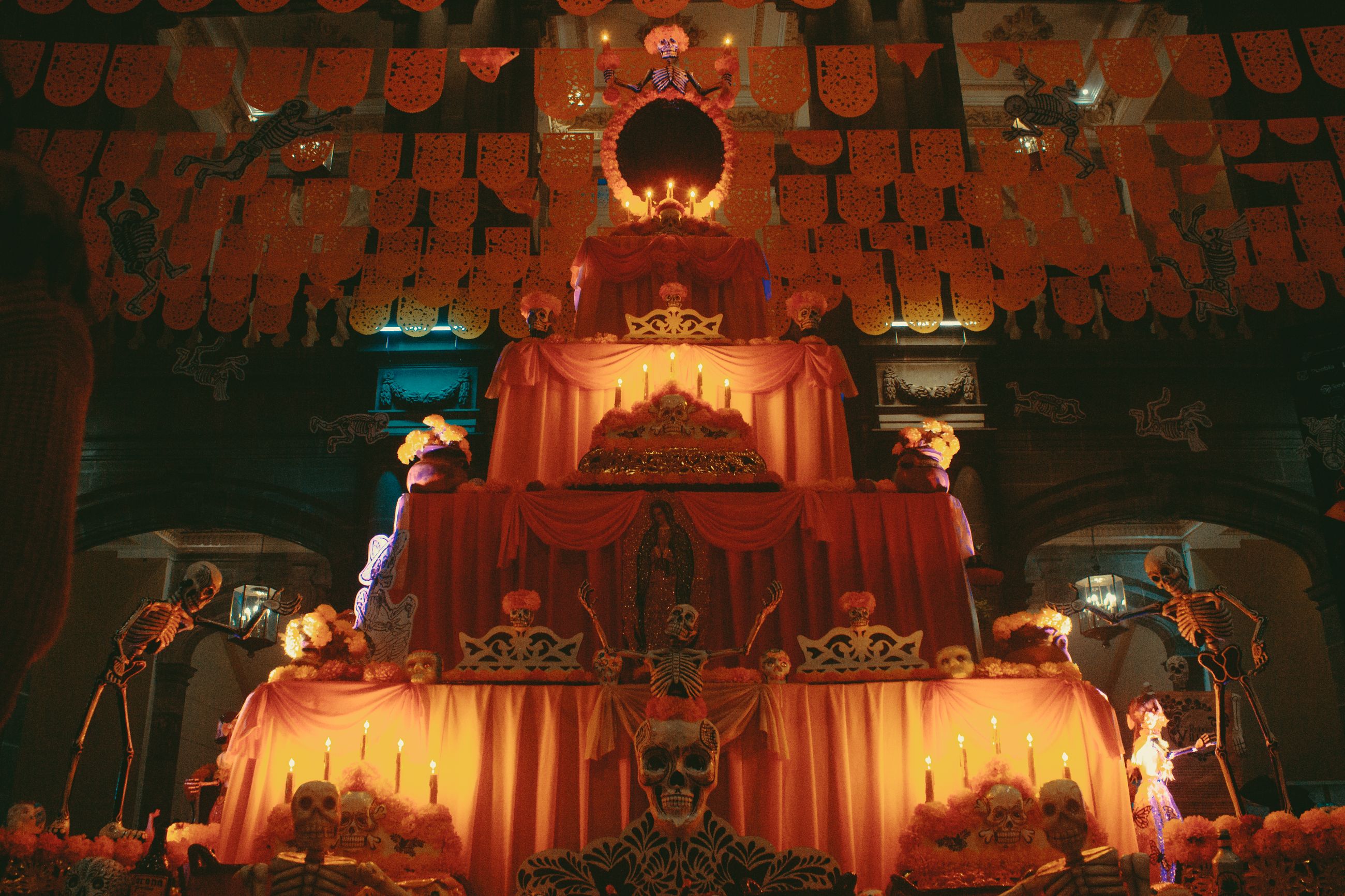
The short version: if you are looking for the emotion of the movie Coco, the best places to see Day of the Dead in Mexico come down to two. Oaxaca, and Michoacán around Pátzcuaro. On the Yucatán Peninsula, everything centers on Mérida. Around Cancún and Playa del Carmen the atmosphere exists, but it stays more decorative than authentic.
Día de Muertos is not a Mexican Halloween. It is a joyful reunion, full of color, where families welcome their departed back for two nights.
We live here and we guide travelers through this season every year. Here is where to go, when to go, and how to plan it without picking the wrong city. Let’s dive in.
What Día de los Muertos really is
Día de los Muertos, also written Día de Muertos, has been on the UNESCO list of intangible cultural heritage since 2008. It blends pre-Hispanic rituals with the Catholic calendar of All Saints’ Day.
The idea is simple. Once a year the souls come back to spend a few hours with the living, and families prepare everything to welcome them.
The ofrenda, the centerpiece
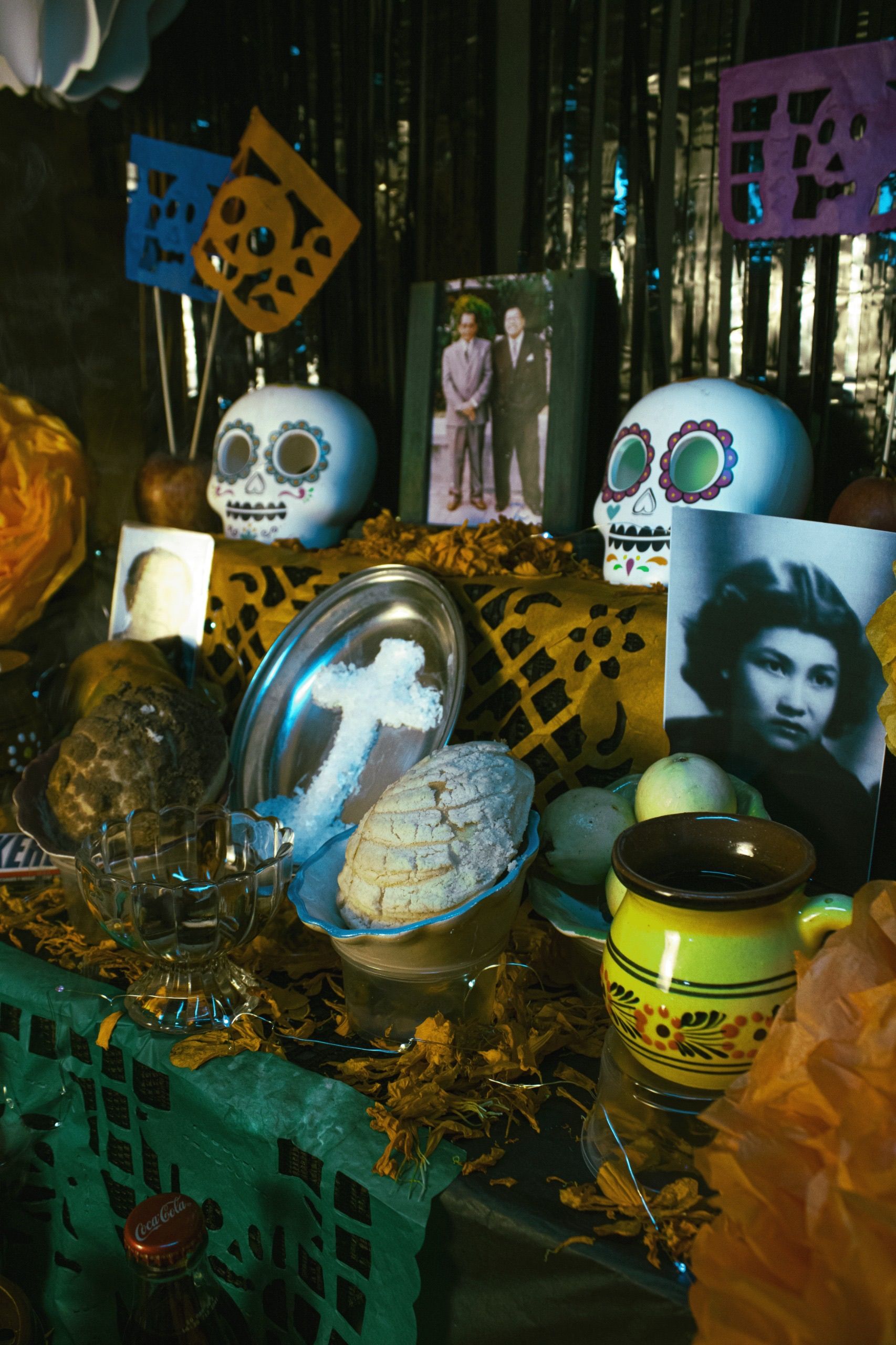
The altar, or ofrenda, is built at home, at the cemetery and in public squares. Every element has a precise role.
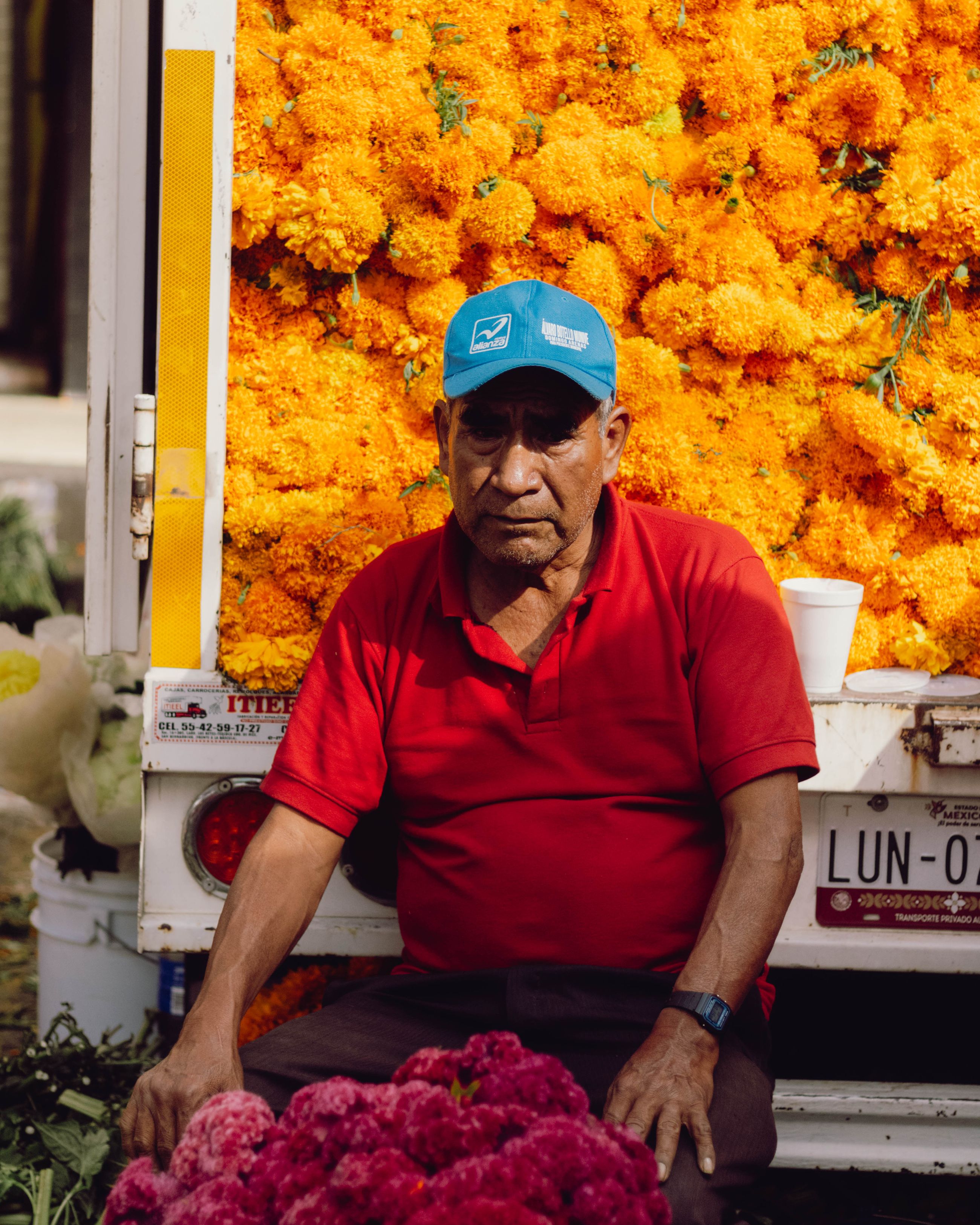
- Cempasúchil, the orange marigold with a powerful scent, traces the path the souls follow to the altar.
- Candles light the way home, often one for each departed relative expected.
- Copal, a smoked resin, purifies the space and guides through scent.
- Pan de muerto, a bread flavored with orange blossom, feeds the visitors after their journey.
- Calaveritas made of sugar or chocolate usually carry the name of the departed.
- Papel picado, cut paper banners, show the movement of the air and therefore of the spirits.
- Water, salt and photographs complete the display, along with the favorite dish of the person being honored.
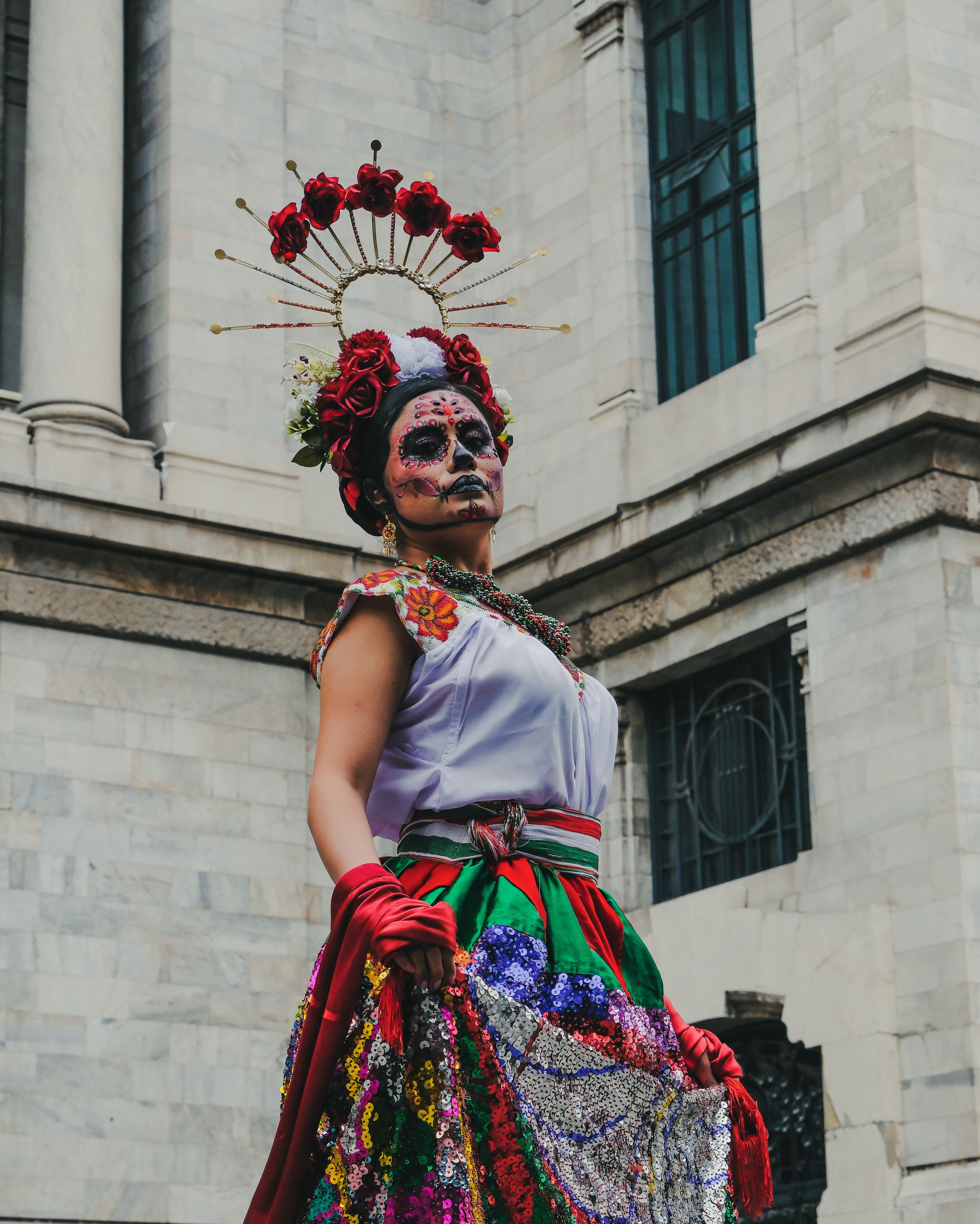
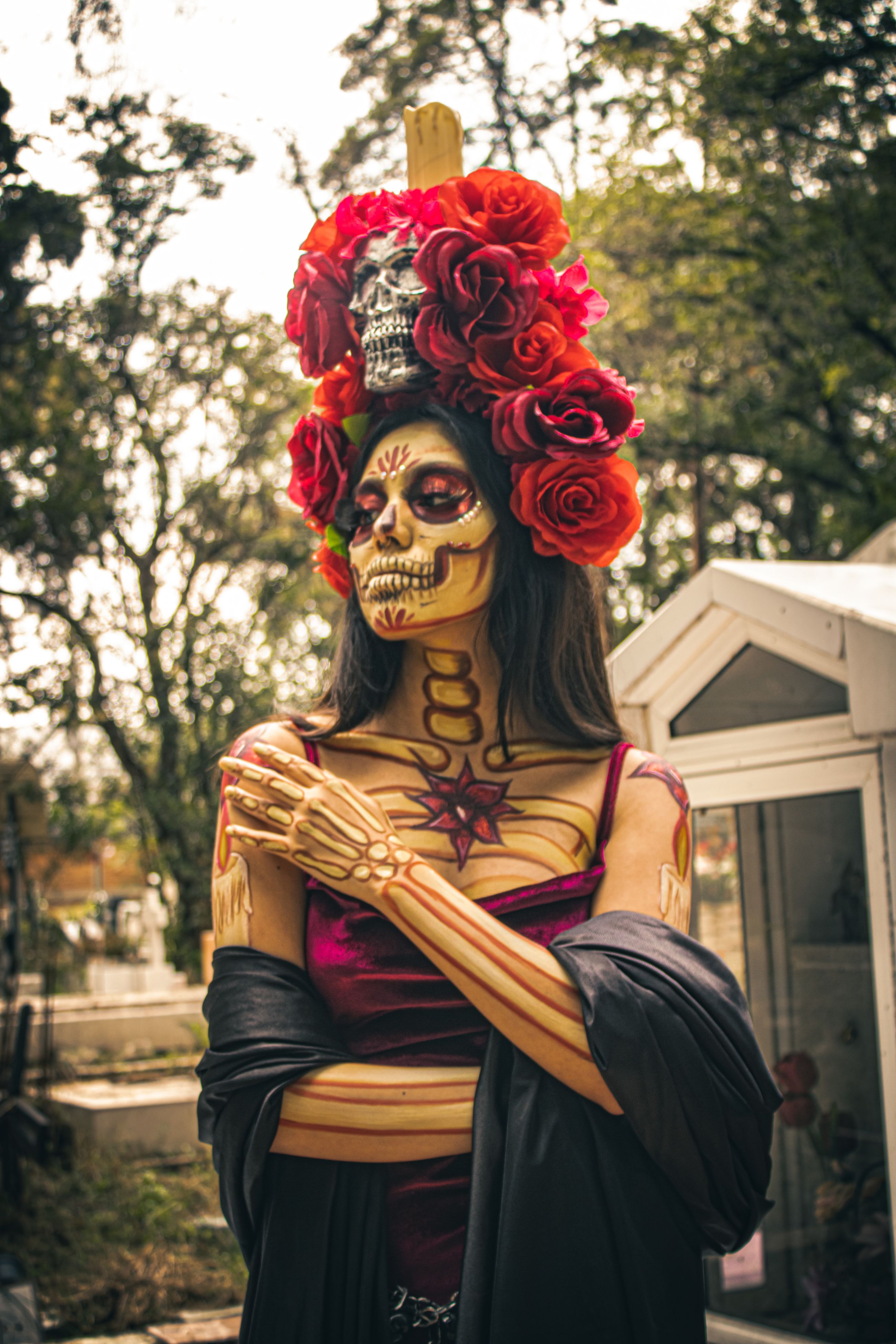
La Catrina is not a Halloween costume
La Catrina comes from an engraving by José Guadalupe Posada in the early twentieth century. It was social satire: under the elegant dress, everyone ends up a skeleton.
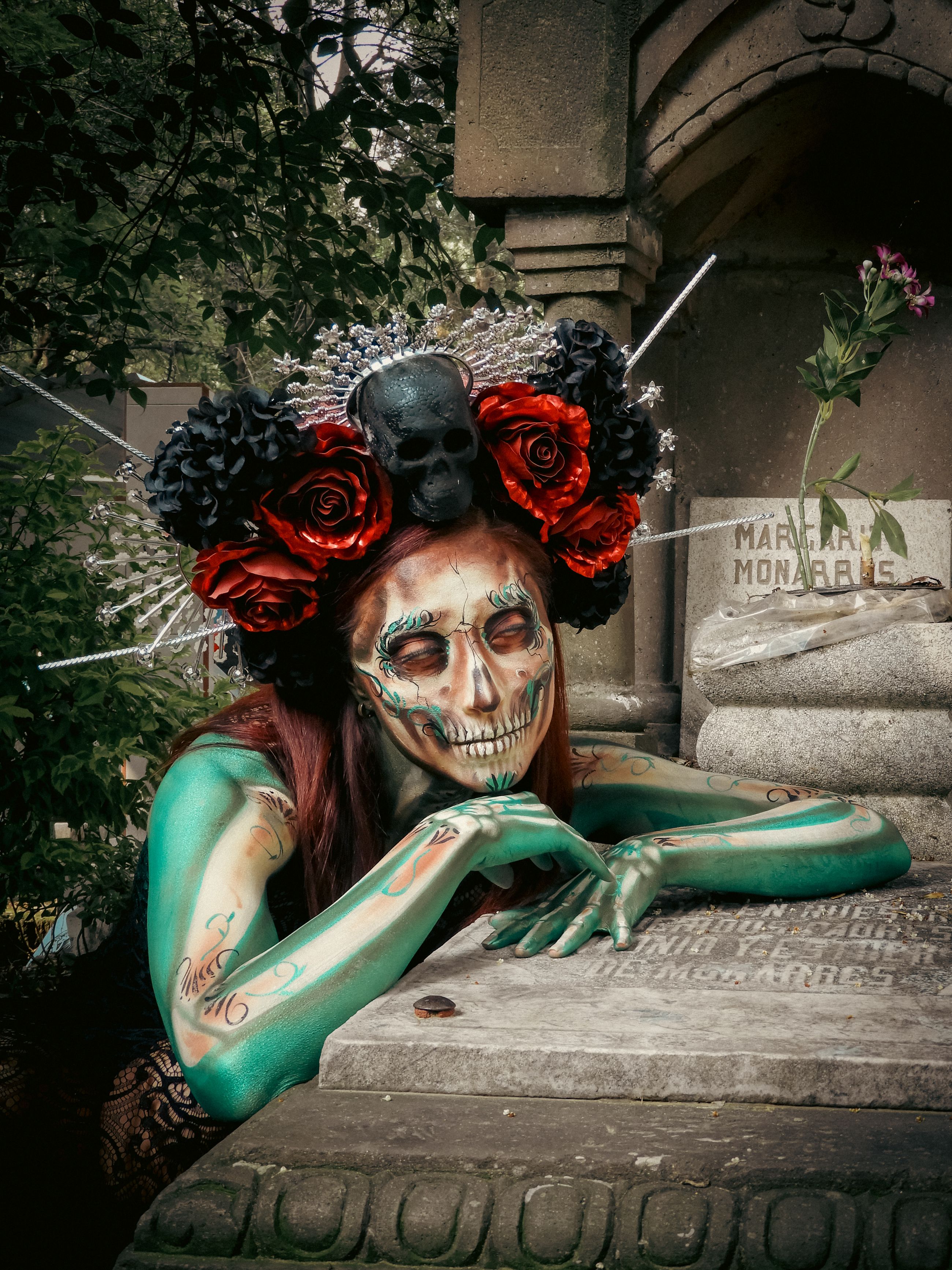
Today, catrina makeup is part of the celebration. There is nothing disrespectful about it, as long as you stay elegant rather than gory.
Good to know: Halloween exists in Mexico too, mostly in tourist areas and schools. The two overlap on October 31, but they remain two different holidays with two different spirits.
Day of the Dead 2026 dates and calendar
The two official dates never move: November 1 and November 2. Around them, every region adds its own days, and festivals often start a full week earlier.
| Date | What happens | Where it is strongest |
|---|---|---|
| October 25 to 30 | Festivals, altar contests, exhibits, catrina parades | Mérida, Oaxaca, Zacatecas, Tlaquepaque |
| October 31 | Vigils for the souls of children, large processions, comparsas | Oaxaca, Mérida, Pátzcuaro |
| November 1 | Day of the angelitos, offerings placed, all-night vigil in the cemeteries | Michoacán, Oaxaca |
| November 2 | Day of the departed adults, meals shared at the graves | All across Mexico |
One detail that prevents disappointment. The most moving vigils take place at night, between 9 p.m. and 4 a.m., not during the day.
The right math: plan to arrive on October 29 or 30 and fly out on November 3. Five nights cover the essentials without forcing you to rush. To frame the rest of the trip, our article on the best season to visit Mexico gives you the November weather picture.
Oaxaca, the best place to see Day of the Dead
If you only keep one city, make it Oaxaca. It is the answer most travelers are looking for when they search for the best place to see Day of the Dead in Mexico. The historic center turns into a living set for a week, and the emotion of the movie Coco comes through almost intact.
Sand carpets cover the streets. Comparsas, those masked processions backed by brass bands, move through the neighborhoods until the small hours.
What not to miss
- The cemeteries of Xoxocotlán and Atzompa, minutes from downtown, where families keep vigil by candlelight.
- La Gran Comparsa on October 31, winding through the streets of Oaxaca de Juárez in the early evening.
- The muerteadas of San Agustín Etla, on the night of November 1 to 2, rawer and more festive.
- The Mercado de las Ánimas and the Verbena Xandú on the Zócalo, for the atmosphere and the Oaxacan food.
- The monumental catrinas lining the corridor of the Palacio de Gobierno.
The 2025 program, to give you an idea
Last year the city opened the season on October 25: the “Flores que guían el alma” route between Santa Cruz Xoxocotlán and Mitla, a facade contest in the historic center, a sand carpet exhibit in San Matías Jalatlaco, the Mercado de las Ánimas, then the Gran Comparsa on October 31.
The 2026 program will follow the same logic, with adjusted dates and venues. It will be released a few weeks before the event.
Oaxaca pairs beautifully with a short road trip: Hierve el Agua, Mitla, Teotitlán del Valle and the mezcal distilleries all work as day trips. We arrange your car rental or a private tour with a driver, depending on how much you want to drive.
Michoacán: Pátzcuaro, Janitzio, Morelia
Michoacán is the other great gathering, and probably the most spiritual one. Here the celebration is called Animecha Kejtsïtakua among the Purépecha, the Noche de Ánimas.
On the night of November 1 to 2, families keep watch over the graves, flowers and candles aligned until dawn. Silence replaces the brass band, and the effect is striking.
Pátzcuaro, your base camp
Pátzcuaro is the logical anchor. Plaza Vasco de Quiroga hosts the concerts, the monumental altar and the “Camino al cielo” parade.
From there you branch out to the lakeside villages: Tzintzuntzan, Cucuchucho, Arócutin, Ihuatzio. Each holds its own vigil, often more intimate than the one on the island.
Janitzio, the postcard image
The island of Janitzio is reached by boat from the Pátzcuaro pier. It is the most photographed vigil in Mexico, which also makes it the most crowded.
Honestly, if you are after quiet reflection, choose Arócutin or Cucuchucho. If you are after the image, Janitzio remains one of a kind.
The 2025 program, to give you an idea
Pátzcuaro opened on October 24 with an exhibit and a costume walk, then rolled on: altar festival on October 28, a talk on the mysticism of the marigold, orchestras and folk ballets on Plaza Vasco de Quiroga, the unveiling of the monumental altar on October 31 and a Requiem by the Michoacán State Symphony at the basilica on November 1.
Expect the same framework in 2026, with a calendar published in October.
Morelia, an hour away by road, works as a backup when Pátzcuaro is fully booked. The city runs its own parades and its colonial atmosphere is worth the detour.
Where we stand: Michoacán and Oaxaca are nothing alike. The first is lived in silence and cold night air, the second in music and celebration. Many of our travelers end up doing both, in two different years.
Mérida and the Hanal Pixán of the Yucatán
On the Yucatán Peninsula, everything concentrates in Mérida. Here the celebration carries a Maya name: Hanal Pixán, literally the meal of the souls.
The city runs its Festival de las Ánimas every year, over a solid week. It is the most accessible option if your trip is based on the Caribbean side.
The highlights to look for
- The Paseo de las Ánimas on October 31: the procession links the General Cemetery to San Juan park, with altars, a portal to the underworld and video mapping.
- The monumental altar on Plaza Grande, a giant Yucatecan ofrenda explained to visitors.
- The Feria del Mucbipollo in the San Sebastián neighborhood, to taste this oversized tamal cooked underground.
- The catrina parade on November 1, from Plaza Grande to Paseo de Montejo.
- The vaquerías de ánimas, jarana dance shows backed by a traditional orchestra.
The 2025 program, to give you an idea
The 2025 edition ran from October 25 to November 2: the lighting of the giant figures in San Juan park, a Mexican night at the Remate of Paseo de Montejo, a guided visit of the General Cemetery, a night bike ride called rodada de ánimas, Pixán Peek with costumed pets, then the two offering ceremonies at the monumental altar on November 1 and 2.
Events were free and subject to change. That will be the case again in 2026.
From the Riviera Maya, Mérida is a 3.5 to 4 hour drive, or a train ride away. We often combine the stay with a visit to Chichén Itzá, Izamal and one or two cenotes along the way.
Day of the Dead in Cancún and Playa del Carmen
Let’s be straight with you. If you stay on the Quintana Roo side, you will see lovely things, but not Day of the Dead as it is lived in the center of the country.
Playa del Carmen
Quinta Avenida gets dressed up: altars in front of the shops, papel picado strung above the street, oversized catrinas for photos. A few hotels and restaurants build their ofrenda and host a themed evening.
It is pretty, it is free, and it takes one evening on foot. Do not build your whole trip around it.
Cancún
The local event is the Festival Janal Pixán, over in Puerto Juárez. The pier on Calle 45 hosts a maritime procession, then a catrina parade and a main stage with folk ballets, mariachis and a catrina contest running late into the night.
The 2025 edition ran from October 30 to November 2, with a Maya ceremony on opening night. It is sincere, local and popular, if not spectacular.
Xcaret park
Xcaret runs its Festival de Vida y Muerte, highly produced and very photogenic. You will find altars from every state, concerts and quality performances.
The short version: it is a beautiful ticketed show, not a family vigil. Take it as an introduction, especially with kids, rather than an authentic experience. Our team books your tickets and the transfer from your hotel.
The tip that changes everything: if your vacation falls on these dates and you are based in Cancún, carve out 3 to 4 days for Mérida. The domestic flight or the drive is the difference between “we saw some decorations” and “we lived something.”
Zacatecas, Tlaquepaque, Veracruz and the rest
Mexico is not limited to the three headline destinations. Here are the ones we also follow every year.
Zacatecas
The silver city goes all out: a contest for decorated arches and facades in the historic center, monumental altars, movies screened in the cemetery, the crowning of the festival queen and a large parade on November 2. Neighboring Guadalupe and its Panteón de Dolores round out the program.
Tlaquepaque, next to Guadalajara
The Tlaquepaque Festival de Muertos runs about ten days. On the menu: a grand altar at the Museo Regional de la Cerámica, the Día de Muertos parade, a candle procession, a children’s catrina gala and a recreation of the Diego Rivera mural on Calle Morelos.
Veracruz and the Huasteca
In the Huasteca region of Veracruz, the celebration is called Xantolo. Masked dancers move from house to house, and the mood is as much carnival as remembrance. It is the least touristy version on this list.
Mexico City
The capital hosts the country’s largest parade, along Paseo de la Reforma, plus the illuminated chinampas of Mixquic and Xochimilco. Handy if you only have a weekend and a direct flight.
Where to find the official programs each year
Here is the part that trips up most travelers. The programs never come out a year ahead.
City halls and state governments publish their posters three to five weeks before the event, sometimes less. Times still shift within days of your departure.
That is why we relay the official programs for Mérida, Cancún, Oaxaca, Pátzcuaro, Zacatecas, Tlaquepaque and Veracruz as soon as they drop, on Instagram, Facebook, TikTok and LinkedIn.
The right method: book your flights and lodging without waiting for the program, then lock in your evenings once the poster is out. The other way around does not work, everything sells out.
Which city fits your trip
| Destination | Atmosphere | Access | Best for |
|---|---|---|---|
| Oaxaca | Festive, musical, highly visual | Domestic flight from Mexico City or Cancún | Travelers chasing the feel of Coco |
| Pátzcuaro and Michoacán | Reflective, intimate, nocturnal | Flight to Morelia, then a 1 hour drive | Travelers drawn to the sacred and the quiet |
| Mérida | Organized, family friendly, very accessible | 4 hour drive from Cancún, or the train | Trips already planned in the Yucatán |
| Cancún and Playa del Carmen | Decorative, occasional | Right where you are, no transport needed | Beach vacations with a glimpse of the tradition |
A combined trip works very well: Riviera Maya for the beach, then Mérida for the celebration. Our itinerary for one week in the Riviera Maya gives you a base to adapt, and our pick of the 16 must-sees of the region fills the free days.
Flying in from the US and Canada
Getting to the celebration is easier than most travelers expect. The tricky part is that the best cities are not the ones your usual beach flights land in.
Your realistic routings
- Oaxaca (OAX) takes a handful of seasonal nonstops from Texas hubs, and otherwise connects smoothly through Mexico City. Verify current schedules, they change season to season.
- Morelia (MLM), the gateway to Pátzcuaro, is well served from Los Angeles, Chicago, Dallas and Houston thanks to the strong Michoacán community in the US.
- Mérida (MID) has nonstops from several southern US hubs, and is also a four hour drive or a train ride from Cancún.
- Cancún (CUN) remains the cheapest entry point from almost anywhere in North America, then you connect onward.
Paperwork and timing
US and Canadian citizens need a valid passport, no visa, for stays up to 180 days. Immigration now issues a digital entry record at most airports, so keep the stamp or the QR code you receive.
Book flights by June or July for early November. Award seats and low fares disappear first on the Mexico City and Oaxaca legs, since domestic travelers are heading home for the holiday too.
Worth knowing: November 1 and 2 are national holidays in Mexico. Domestic flights, intercity buses and rental cars all tighten up, so lock those in at the same time as your international ticket. Full details in the formalities for traveling to Mexico.
Transportation, lodging and budget in USD
Getting around
Mexican distances always get underestimated. Oaxaca and Michoacán are reached by domestic flight, the peninsula is covered by car or by train.
On these dates, night roads fill up and cemetery parking lots saturate. Our article on getting around Mexico breaks down every option, from long-distance buses to private transfers.
Finding a room
This is the real subject. In Pátzcuaro and Oaxaca, the best addresses go six to nine months ahead, and rates sometimes double on the nights of October 31 to November 2. A mid-range boutique hotel that runs $90 to $130 a night in September can hit $200 to $300 over the holiday.
Book early, with free cancellation whenever possible. Our travel coaches handle the search if you would rather delegate.
Planning the budget
Carry cash in pesos for the markets, the candles, the flowers and the tips. Many stalls do not take cards, especially in the villages. Withdraw from a bank ATM rather than an airport exchange counter, and always decline the machine’s currency conversion offer, which costs you roughly 10 percent.
On that note, our guide to tipping in Mexico gives the customary amounts. For paperwork and insurance, see the formalities for traveling to Mexico and medical support on site.
Cemetery etiquette that matters
You are stepping into a shared moment of grief, joyful as it may be. A few reflexes are enough to avoid offending anyone.
- Ask before photographing a family or a grave. A simple “¿puedo?” with a smile works very well.
- Do not walk between the graves and do not set anything on them, not even a bag.
- Keep your voice down during the vigils, and turn off the flash.
- Drones remain prohibited over cemeteries and processions. Our full rules are in the guide to using a drone in Mexico.
- Accept what is offered: a pan de muerto, a hot chocolate, a mezcal. Declining stings more than you might think.
An English-speaking guide changes everything here. They translate, they introduce you, and they open doors that stay closed to solo visitors.
Our on-the-ground tips
- Pack a jacket. Oaxaca and especially Pátzcuaro drop to 46-50°F at night. Nothing like the Caribbean.
- Closed, comfortable shoes. Cemeteries are dirt ground, and you will walk for hours.
- A headlamp or flashlight for the unlit paths.
- Get your makeup done on site by the artists set up in the squares. It costs little and looks far better than a kit bought in advance.
- Eat early. Downtown restaurants are packed from 8 p.m. on these dates.
- Keep a buffer day after November 2. The nights are short and you head home tired.
- Bring sunscreen for the daytime: the high-altitude sun is strong. Our rules for using sunscreen apply inland too.
Traveling with family? Our pointers for traveling with a baby in Mexico fit these late evenings perfectly. And for packing, it is all here: what to pack for Mexico.
The mistakes we see every year
- Booking in September for early November. Too late for Oaxaca and Pátzcuaro, where only the overpriced rooms are left.
- Waiting for the official program before locking in flights. It comes out three to five weeks ahead, when everything is already gone.
- Planning only for November 2. The most beautiful nights are often October 31 and November 1.
- Dressing as a zombie or a bloody ghost. This is not Halloween, and it shows immediately.
- Trying to do it all: Oaxaca, Michoacán and the Yucatán in five days. The country is huge, pick one region.
- Forgetting cash. Flower markets and villages run on pesos, in bills.
Worried about safety while moving around? Our honest answers are in is it dangerous to travel to Mexico and should you be afraid of police checks.
Our services during Día de Muertos
We have been organizing this season for years, with local partners who know the real timing of the vigils. Here is what we take care of.
- Group tours in English and French with pickup at your hotel, in Mérida as well as the Riviera Maya.
- Private tours with a driver and a certified guide, built around your vigil schedule.
- Tours booked on site during a road trip, when you want to park the car for a day.
- Private transfers from the airports of Cancún, Mérida, Mexico City, Oaxaca or Morelia.
- Car rental negotiated with our partners, insurance included and no bad surprise at the counter.
- Boat rental to extend the stay by the sea, before or after the festivities.
- Private chef for an ofrenda dinner at home, pan de muerto and mole included.
- Concierge service: Xcaret tickets, restaurant reservations, catrina makeup artists, photographer.
Not sure where to start? First find out what a travel coach does, then browse our Mexico services.
And if your trip has a special reason behind it, we also handle weddings, birthdays, bachelorette and bachelor parties, corporate retreats and spiritual retreats.
Frequently asked questions about Day of the Dead in Mexico
What are the Day of the Dead dates in Mexico for 2026?
November 1 and 2, 2026, with festivals starting as early as October 25 depending on the city. Cemetery vigils happen mostly on the night of October 31 to November 1 and the night of November 1 to 2.
What is the best city to experience Día de Muertos?
Oaxaca for the festive, highly visual atmosphere, Pátzcuaro and the villages of Michoacán for quiet remembrance. On the Yucatán Peninsula, Mérida remains the reference with its Festival de las Ánimas.
Does Día de Muertos really look like the movie Coco?
Yes, in Oaxaca and Michoacán. The marigold petals, the candles, the family altars and the night vigils are nearly identical. Elsewhere the mood is more decorative.
Can you see Day of the Dead from Cancún or Playa del Carmen?
Partly. Quinta Avenida gets decorated, and the Festival Janal Pixán in Puerto Juárez offers a maritime procession, a catrina parade and a cultural stage. For the full experience, you need to head up to Mérida.
Is Xcaret park worth it for Día de Muertos?
It is a beautiful ticketed show, well produced, with altars from every state in the country. Treat it as a cultural introduction, not a traditional vigil.
How far in advance should you book?
Six to nine months for Oaxaca and Pátzcuaro, four to six months for Mérida. Downtown lodging goes first and rates climb on the three key nights.
Is Day of the Dead a sad occasion?
No. It is a reunion, with music, laughter and shared meals. The emotion is real, but there is nothing gloomy about it.
Can you photograph families in the cemeteries?
Only after asking permission. No flash, no walking between the graves, and no insisting if the answer is no. A local guide makes these exchanges far easier.
Where can you find each city’s official program?
City halls and state governments publish them three to five weeks ahead. Every year we relay the ones for Mérida, Cancún, Oaxaca, Pátzcuaro, Zacatecas, Tlaquepaque and Veracruz on our social media as soon as they are released.
Do you need catrina makeup to take part?
It is not required, but it is welcomed and appreciated. Have it done by the local artists set up in the squares, and stay elegant rather than gory.
How much does a Day of the Dead trip to Mexico cost?
Budget roughly $1,500 to $2,500 per person for a week from most US cities, including airfare, mid-range lodging over the holiday, food and tours. Lodging is the swing factor, since rates on the three key nights often double.
Do you need a visa to travel to Mexico for Día de los Muertos?
No. US and Canadian citizens travel visa free with a valid passport for stays up to 180 days. Immigration issues a digital entry record at most airports, so keep the stamp or QR code you receive on arrival.
Experience Day of the Dead in Mexico with us
Guided tours, transfers, car or boat rental, private chef: we handle the logistics while you enjoy the moment. Let’s talk about your project, with no commitment.